
Related Lots
-
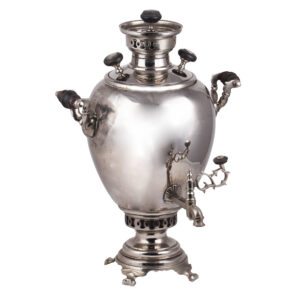
Lot 0285
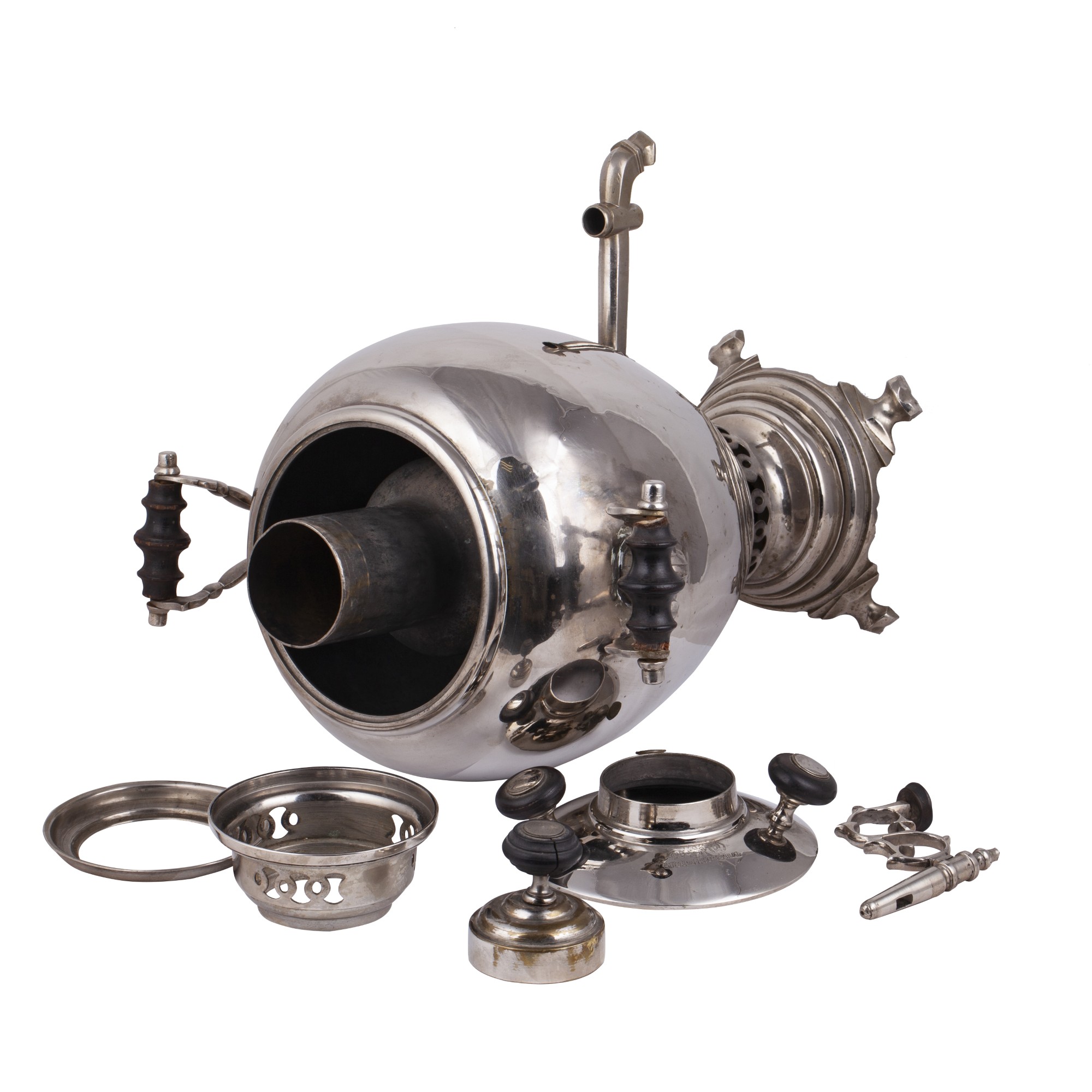
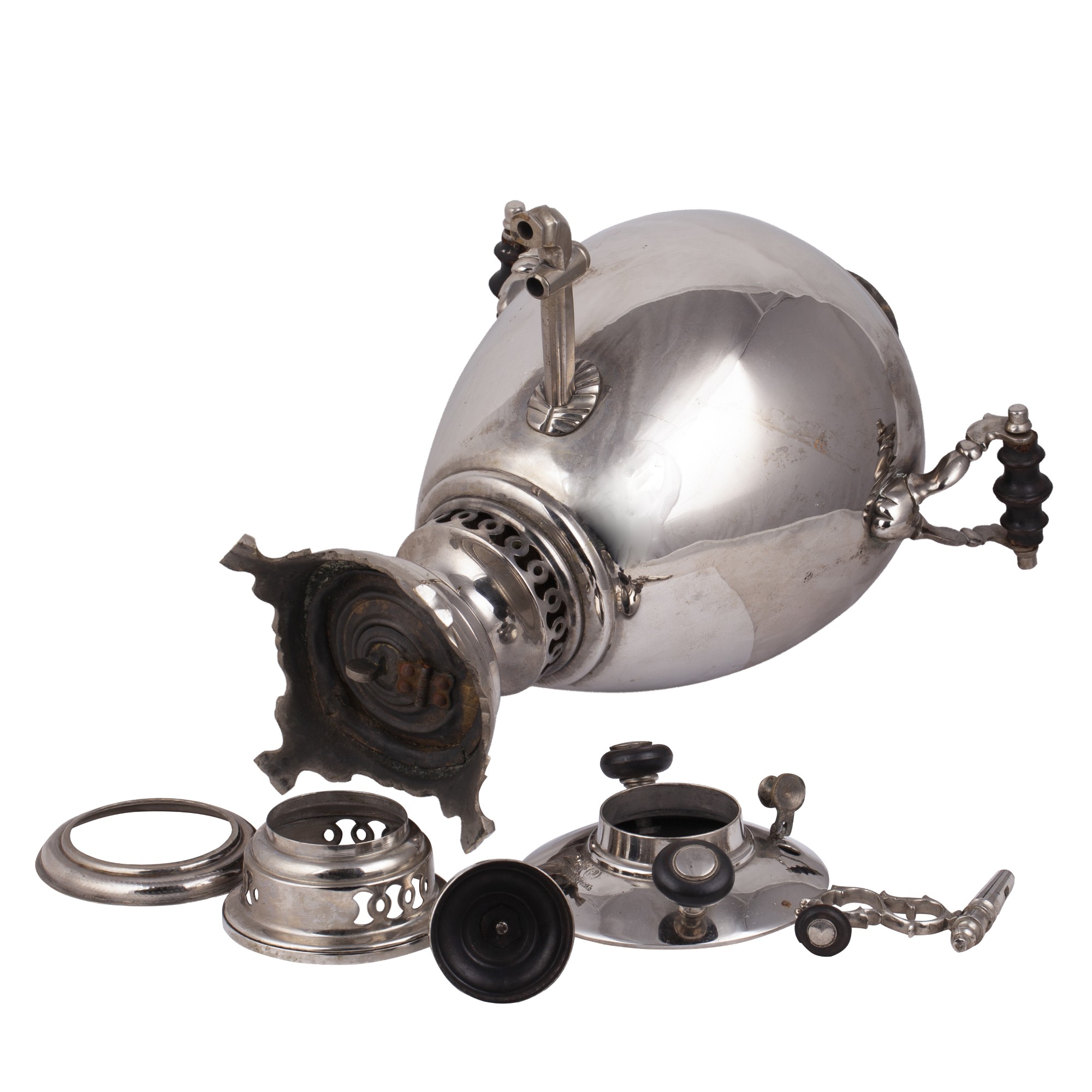
Russian Silver-Plated Brass Samovar in the Shape of an Egg
Estimate: 800-1000€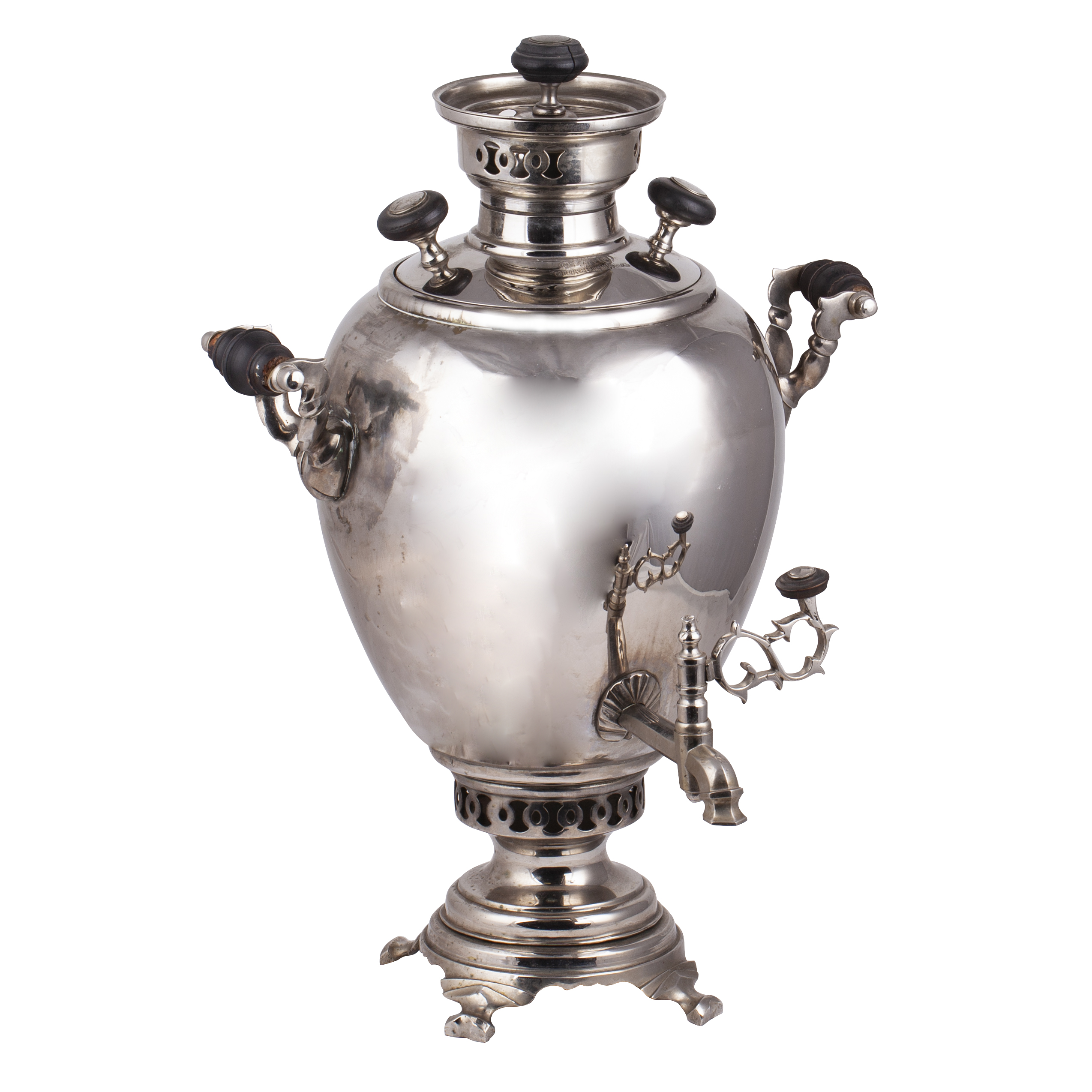
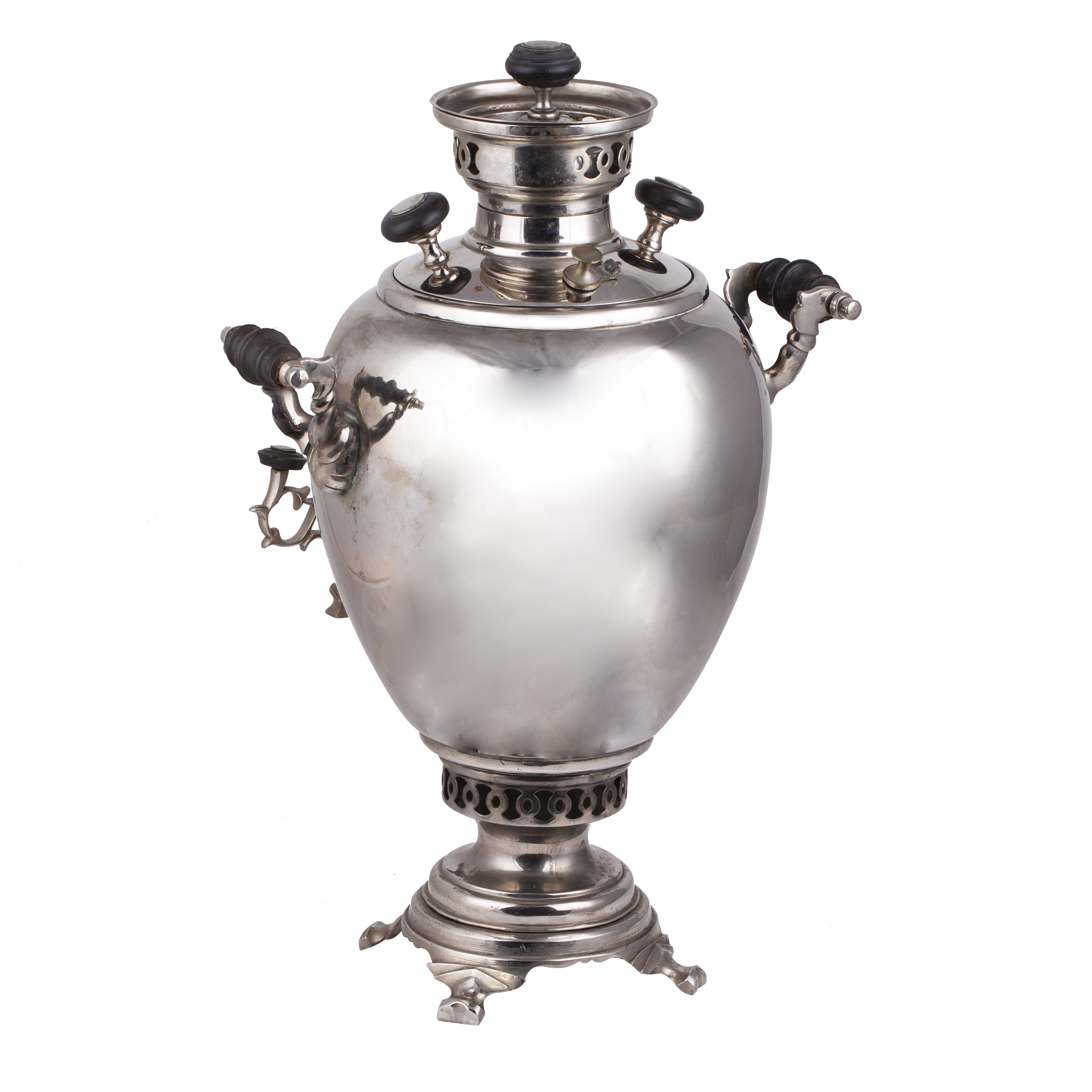
Lot 0285
Russian Silver-Plated Brass Samovar in the Shape of an Egg
Estimate: 800-1000€Samovar in the Shape of an Egg
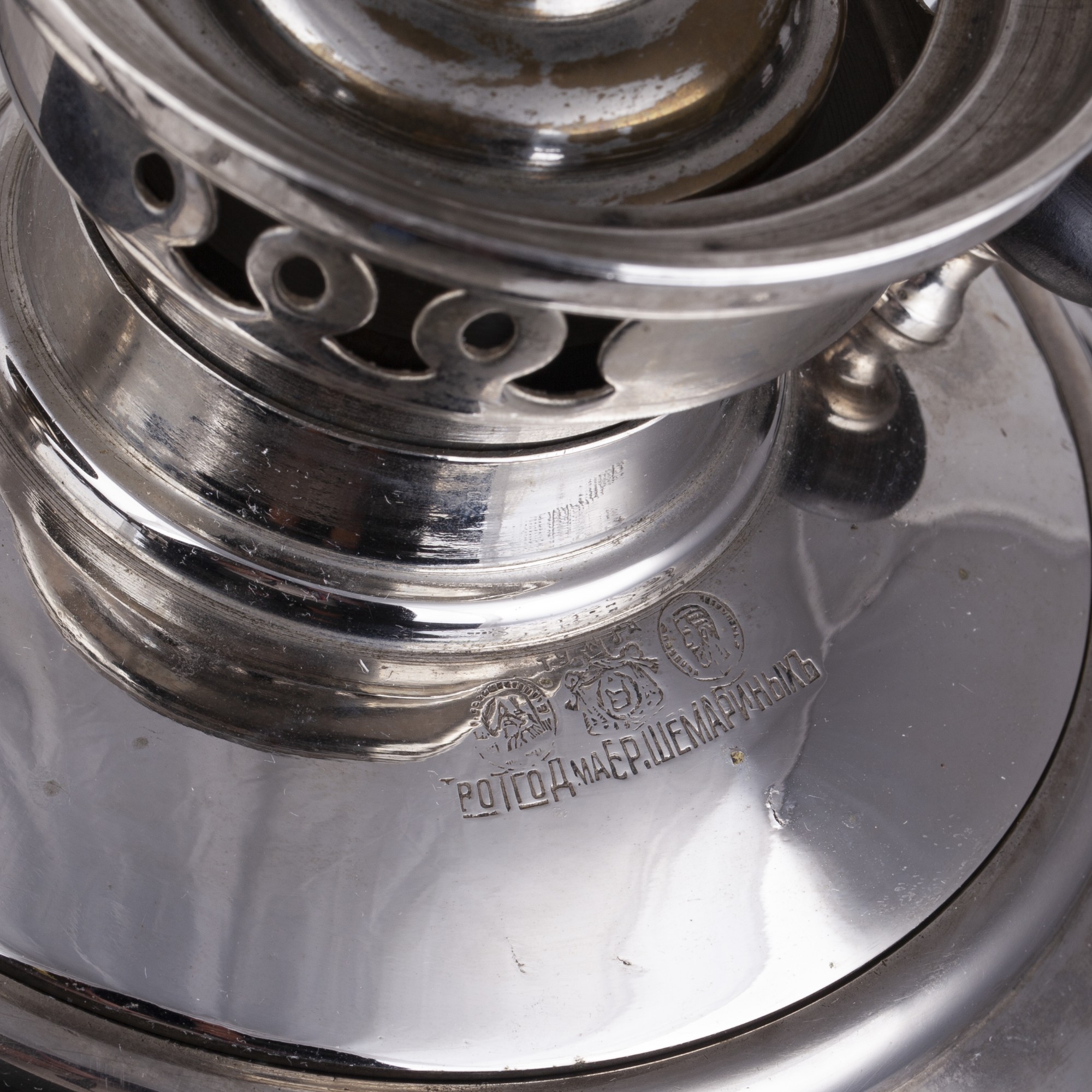
Shemarin Brothers’ Manufactory, Tula, 1880s
Silver-plated brass, wood
Height: 45 cm (including the chimney cap)This silver-plated brass samovar, crafted in the form of an egg, represents the refined aesthetic and exceptional quality of the Shemarin Brothers’ Manufactory in Tula — one of the foremost samovar producers of late Imperial Russia. The harmonious proportions, fine polish, and elegant detailing reflect the high standards of Tula metalwork in the late 19th century.
The Shemarin Brothers manufactured samovars at a time when Russian tea ceremonies had become a hallmark of cultured domestic life. Their samovars were sought after not only by the Russian nobility and intelligentsia but also by Persian shahs, Indian maharajas, and European aristocrats, who appreciated both their craftsmanship and their aura of Russian luxury.
The dynasty began with Ivan Rodionovich Shemarin, a former serf who earned his freedom and, together with his wife Agrippina and five sons, settled in the Tula province. In 1887, the brothers established their own manufactory, which quickly grew into one of the largest in Russia. By 1904, their enterprise ranked second only to the famed Batashev factory, employing over 700 workers and producing up to 6,000 samovars per month.
Their products gained international acclaim, receiving more than ten medals at world fairs — including a silver medal at the 1889 Paris Exposition Universelle and an honorary diploma at the 1901 Glasgow Exhibition. In 1906, the Shemarins were appointed official suppliers to the Shah of Persia, a distinction shared by only a handful of firms worldwide. A year later, they produced several miniature samovars for Emperor Nicholas II.
The factory’s hallmark was variety and precision: more than a hundred models were made, ranging from traditional coal samovars to alcohol-burning and silver-plated types. Each was inspected personally by the eldest brother before leaving the workshop — a testament to their commitment to excellence.
Starting price: 600€
Estimate: 800-1000€
Hammer Price: Not sold -
Lot 0281
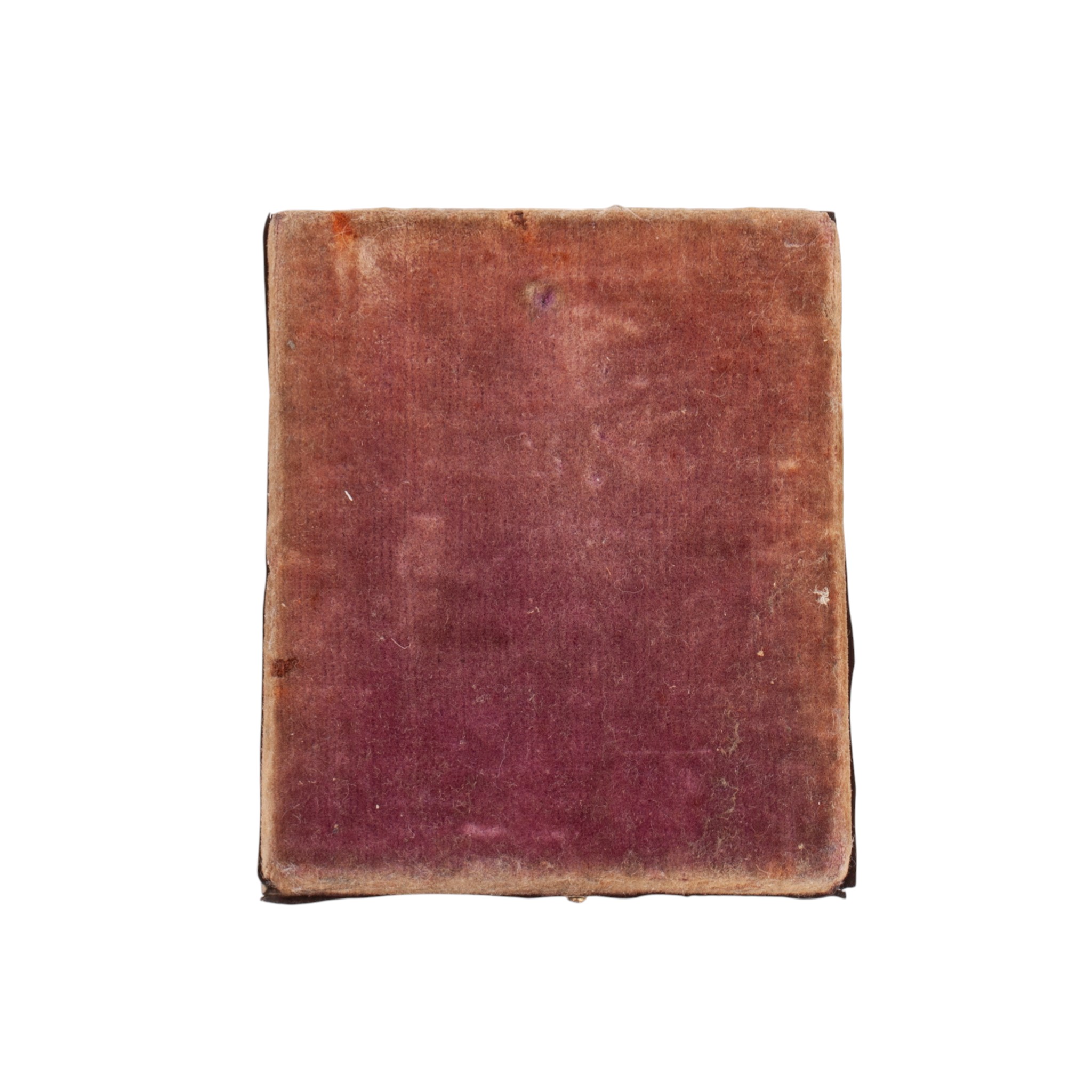
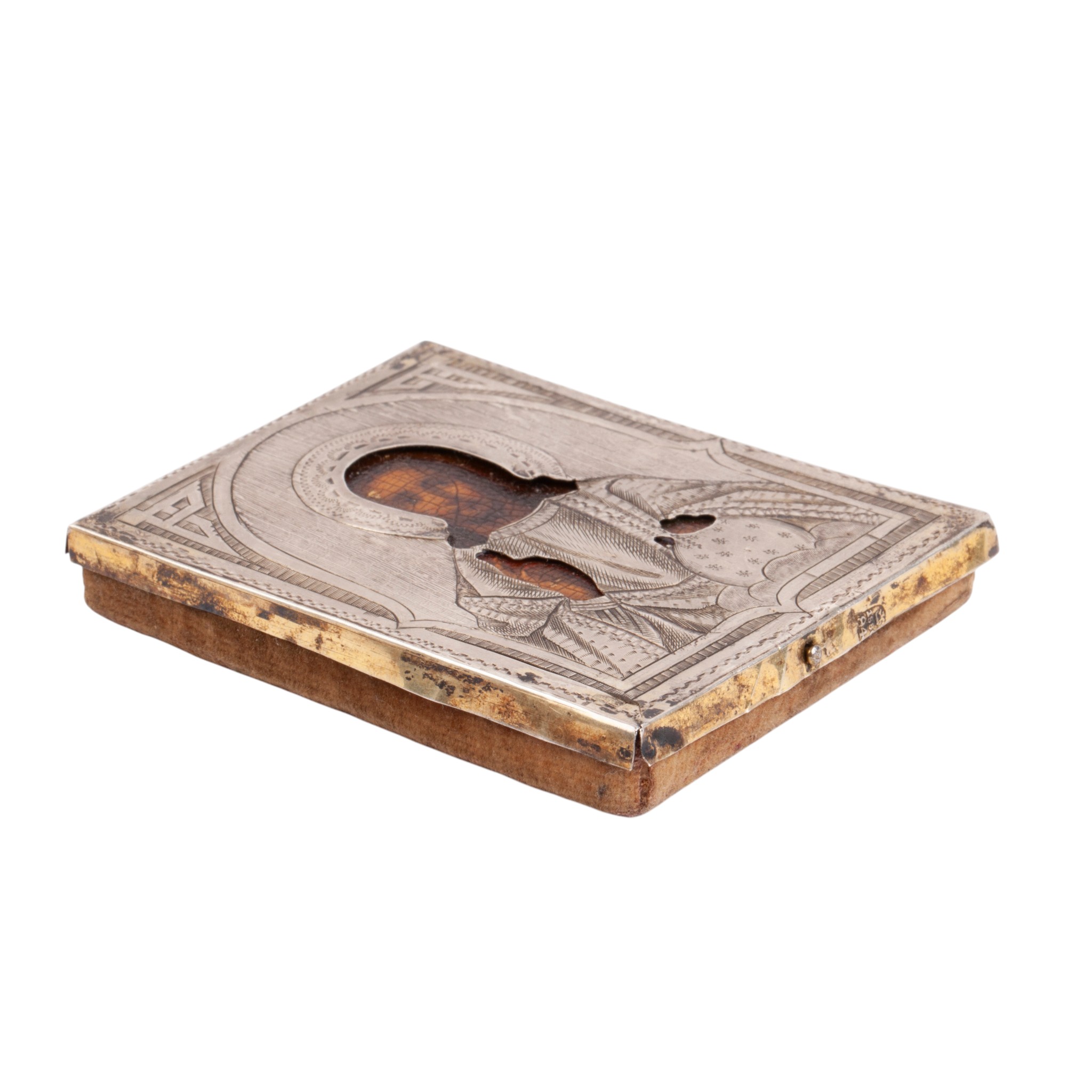
Russian Icon of Christ Pantokrator with Silver-Gilt Riza, Moscow, circa 1880
Estimate: 150-200€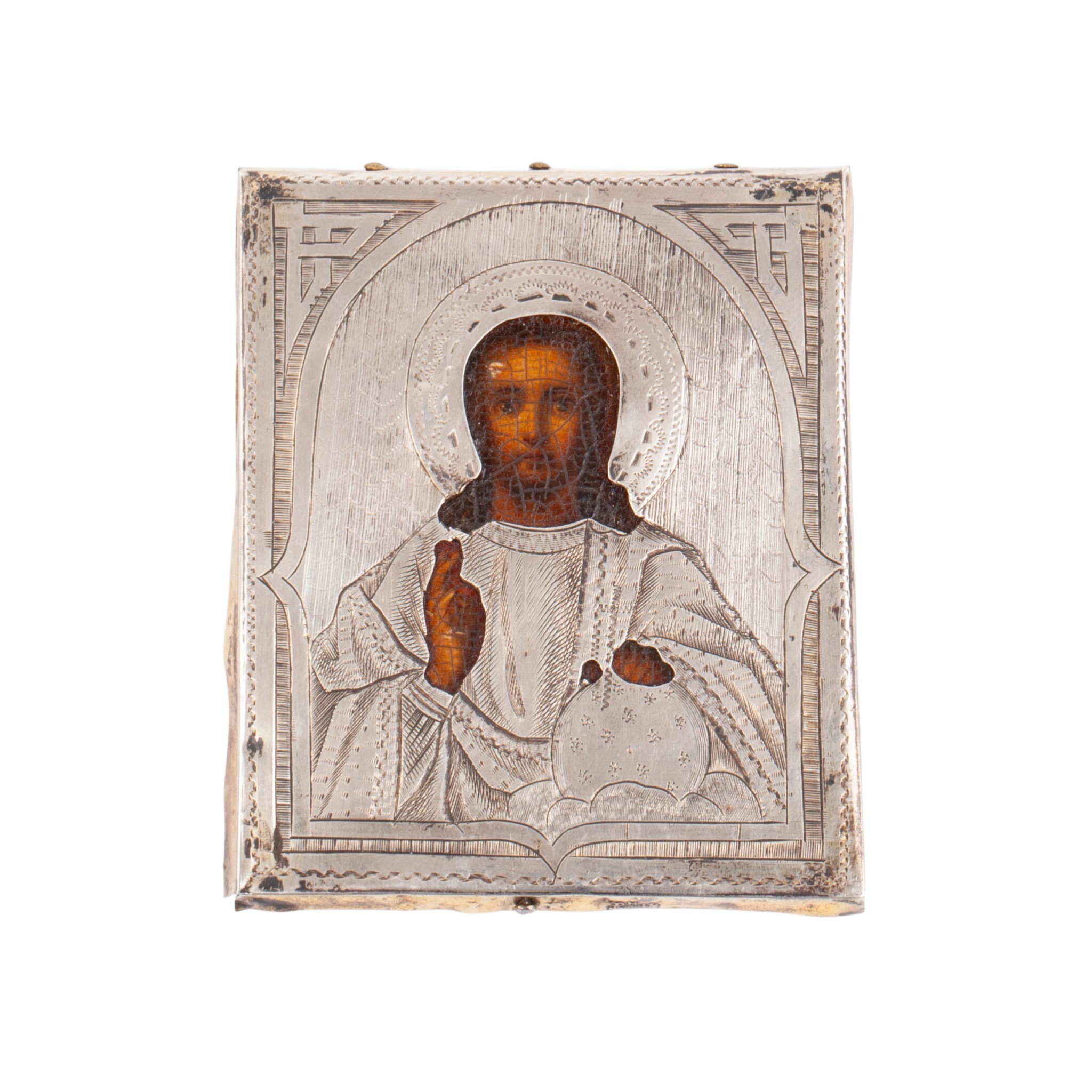
Lot 0281
Russian Icon of Christ Pantokrator with Silver-Gilt Riza, Moscow, circa 1880
Estimate: 150-200€A Russian Icon of Christ Pantokrator
Mosocw, circa 1880.
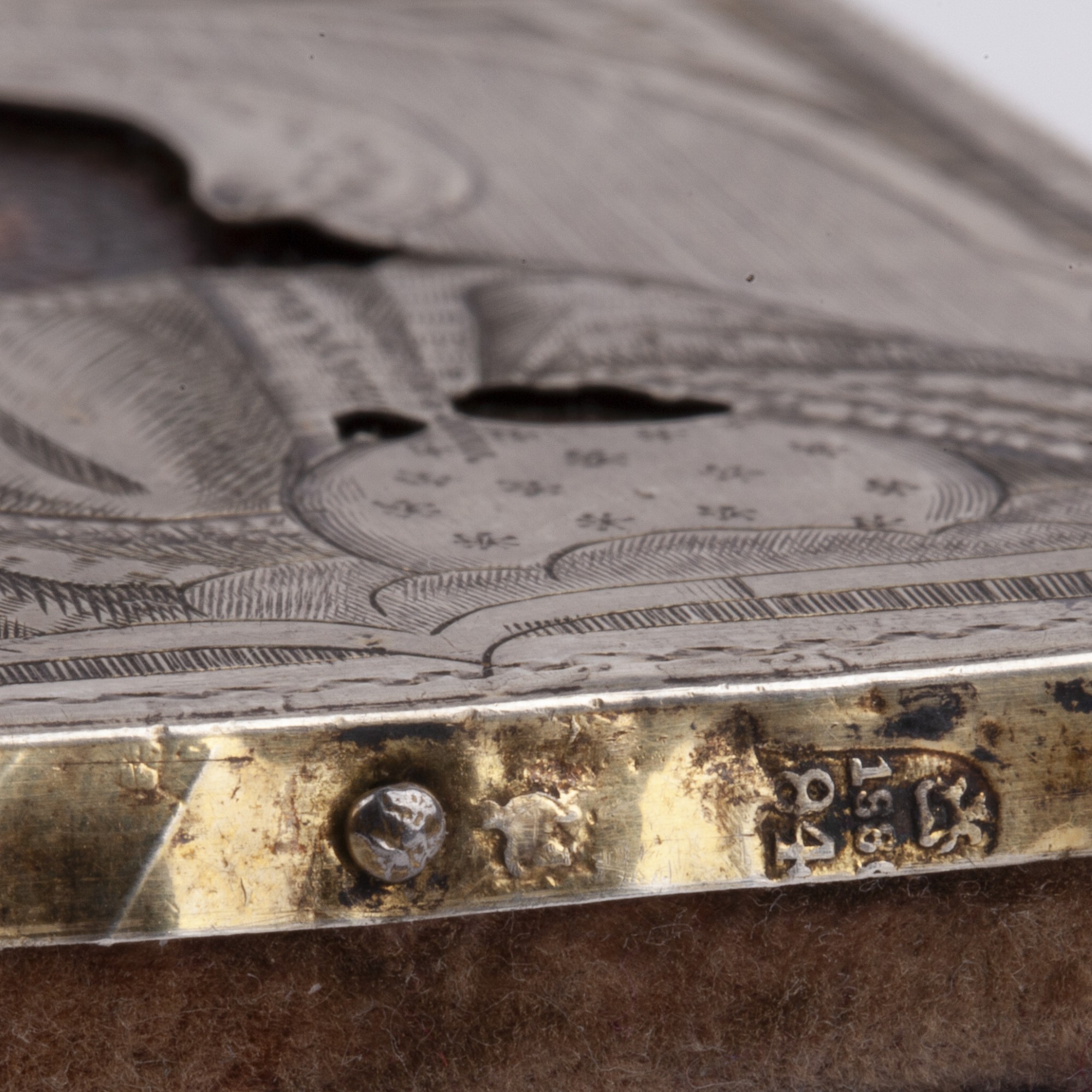
Silver, partially gilded, engraved; oil painted. Marks: stamped on the side with 84 zolotnik silver standard and Moscow assay mark.
Dimensions: 6.7 × 5.5 × 1 cm.
A small rectangular traditional icon representing Christ Pantokrator in half-length, shown raising His right hand in blessing and holding the orb in His left. The image is covered with a finely engraved silver riza, the face and hands left visible through shaped apertures in the traditional manner. The surface is enriched with delicate linear work defining the folds of the robes, the cross-halo, and the architectural frame, while the spandrels are accented with restrained geometric ornament.Starting price: 100€
Estimate: 150-200€
Hammer Price: Not sold -
Lot 0284
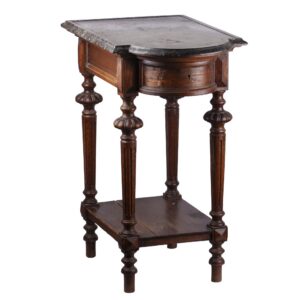
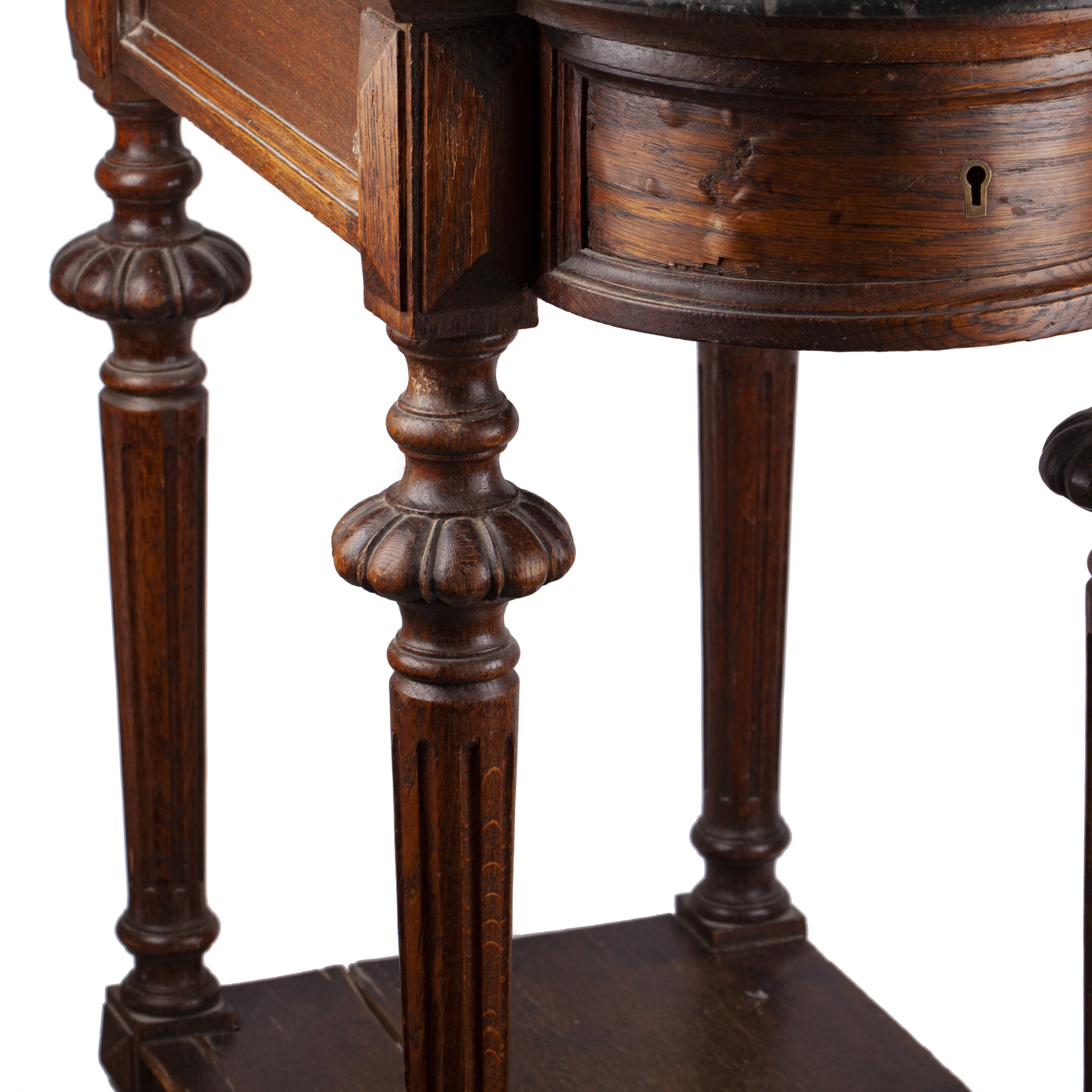
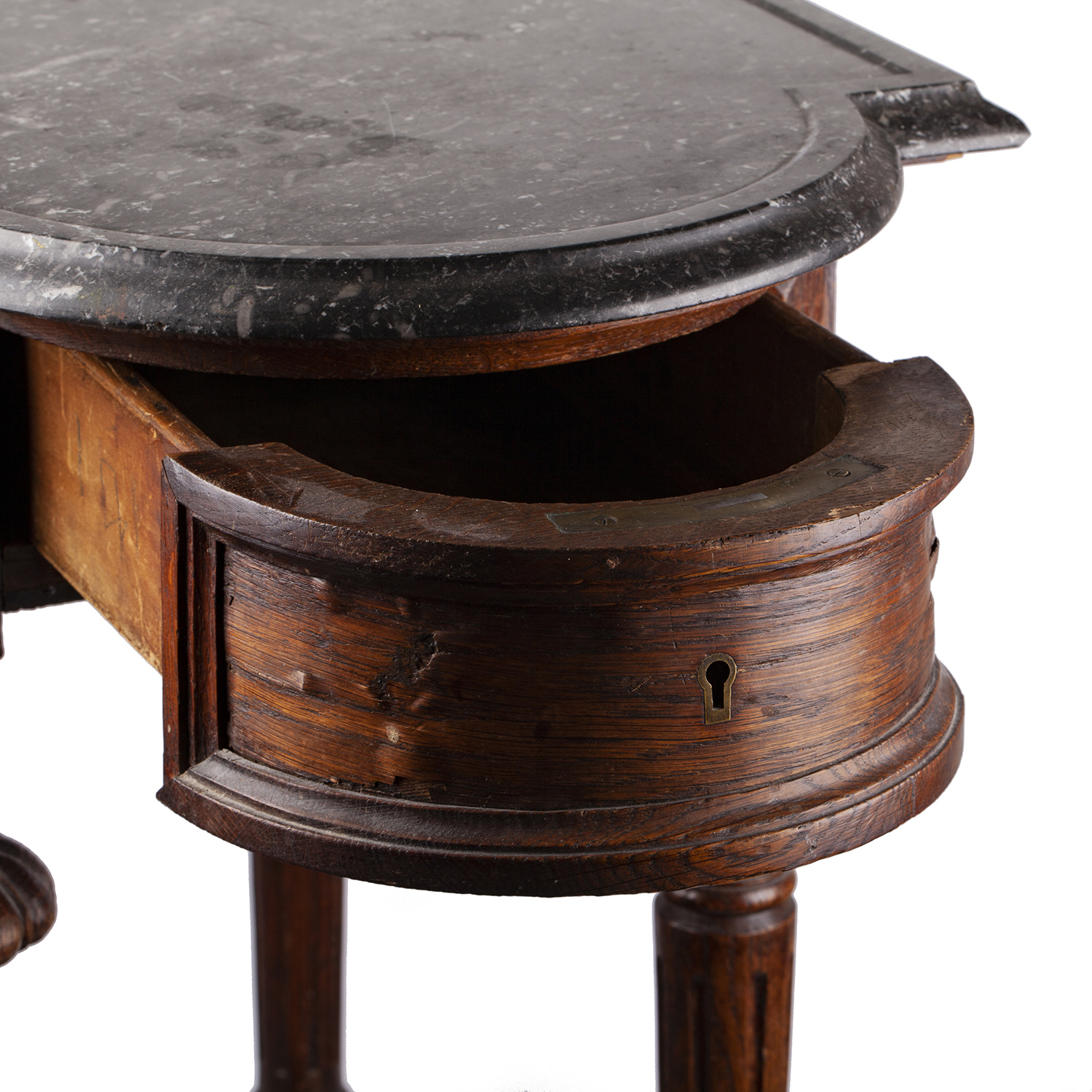
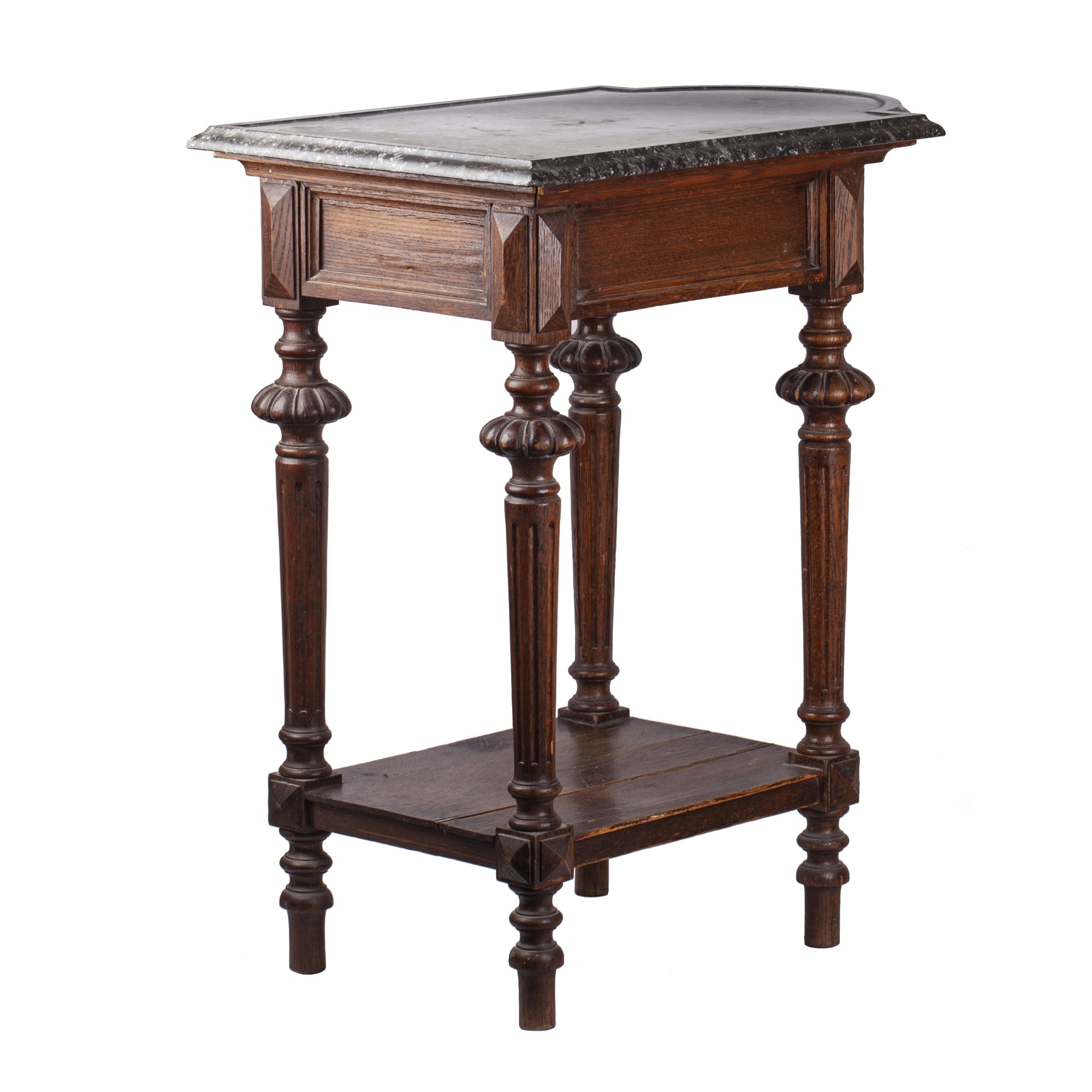
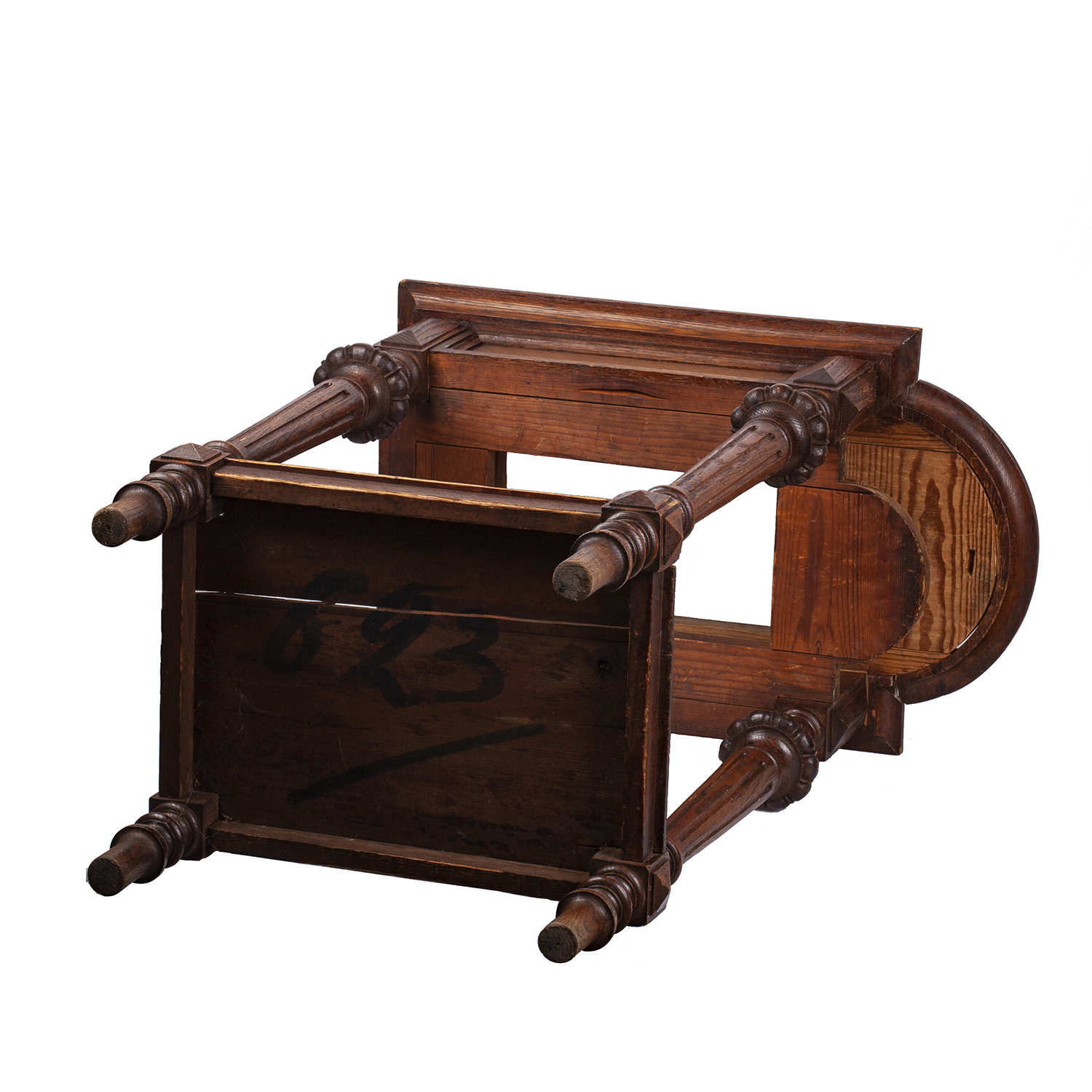
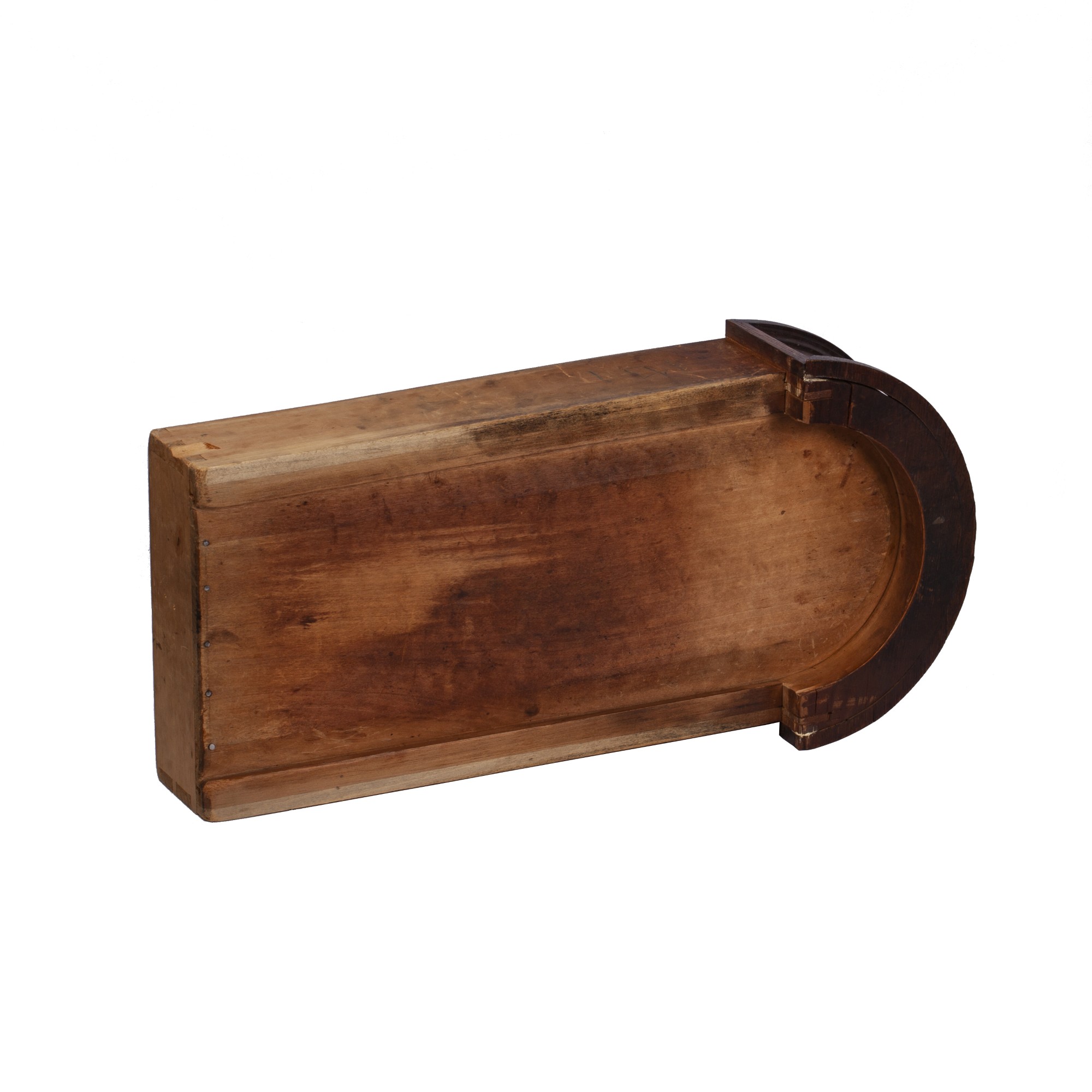
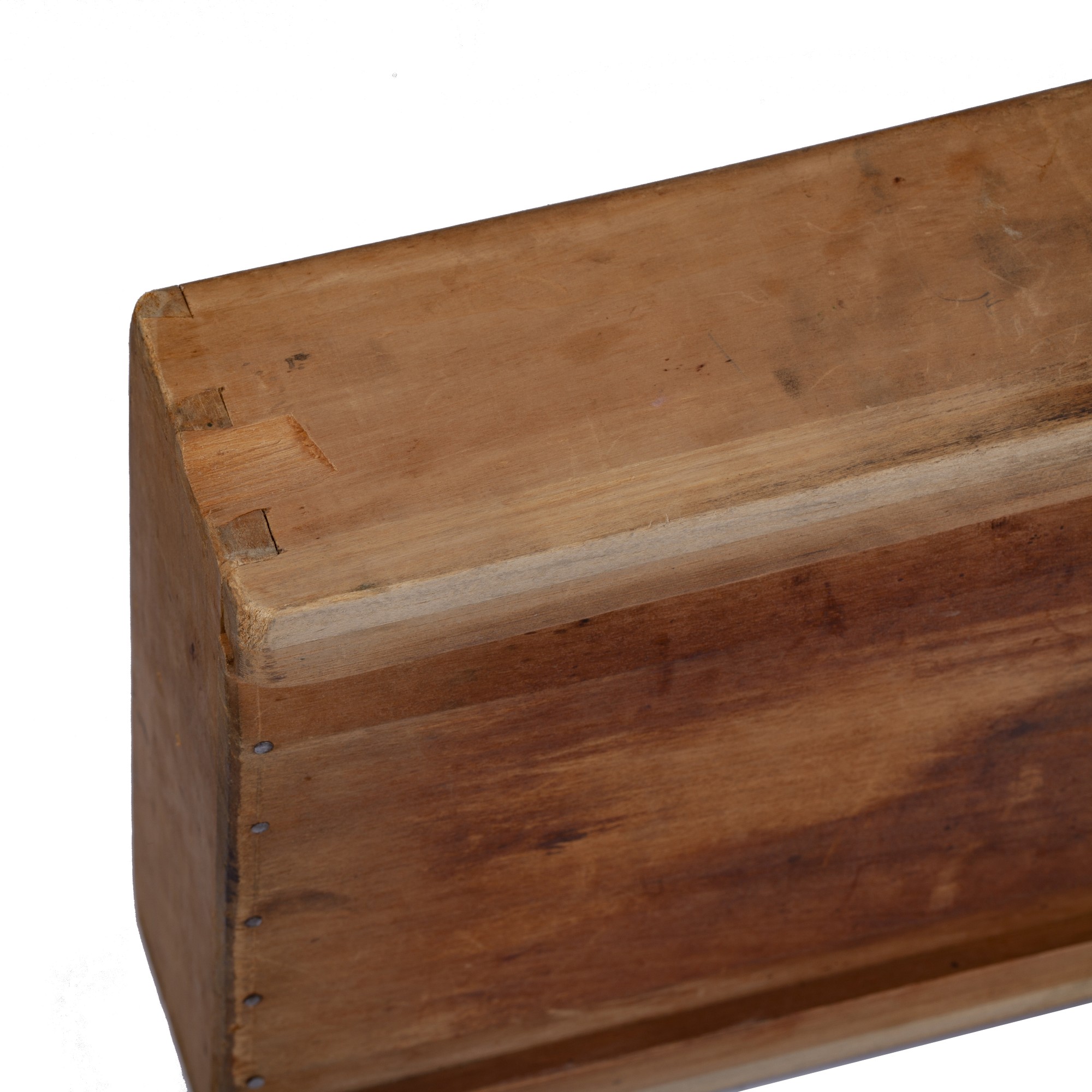
Antique Russian Samovar Table
Estimate: 750-1000€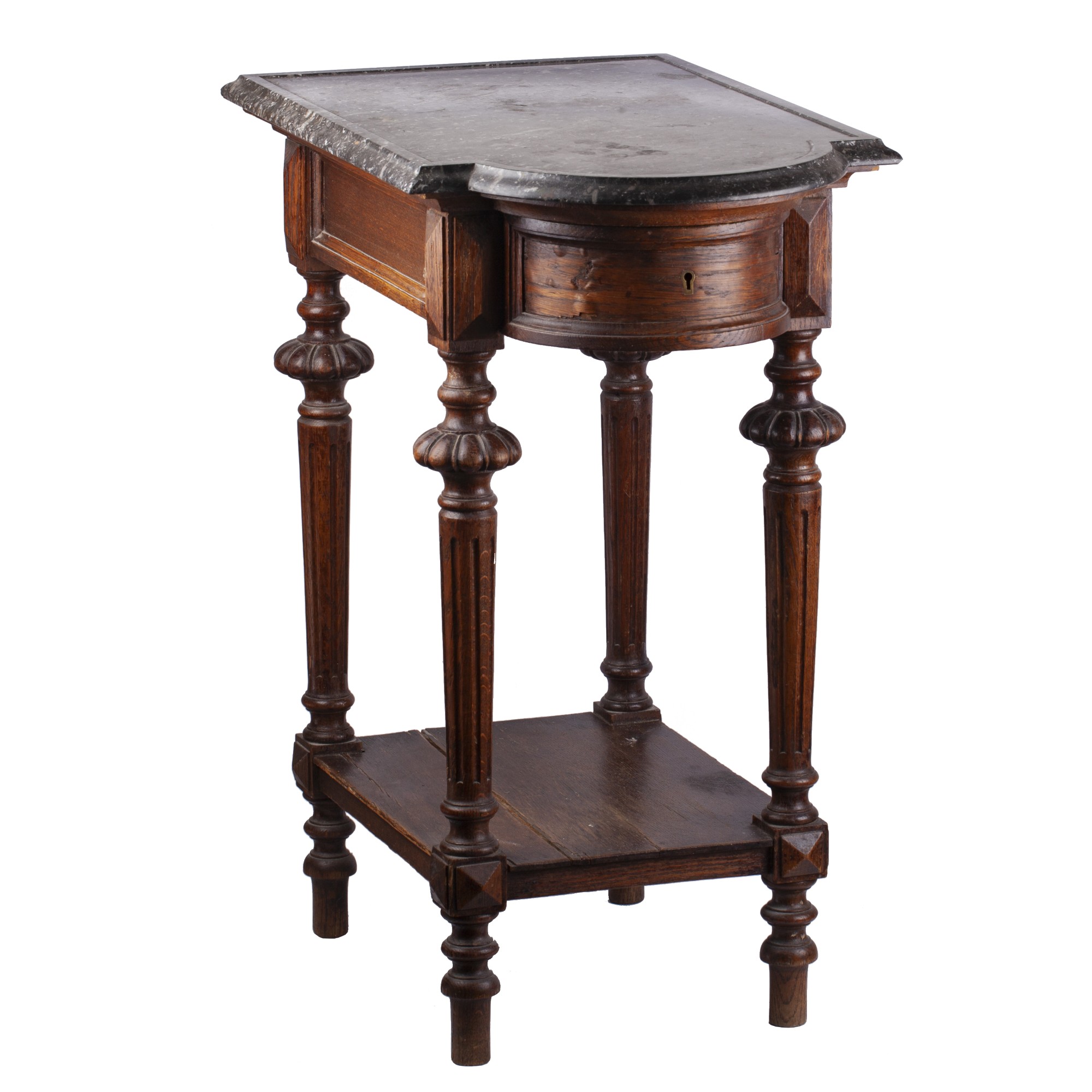
Lot 0284
Antique Russian Samovar Table
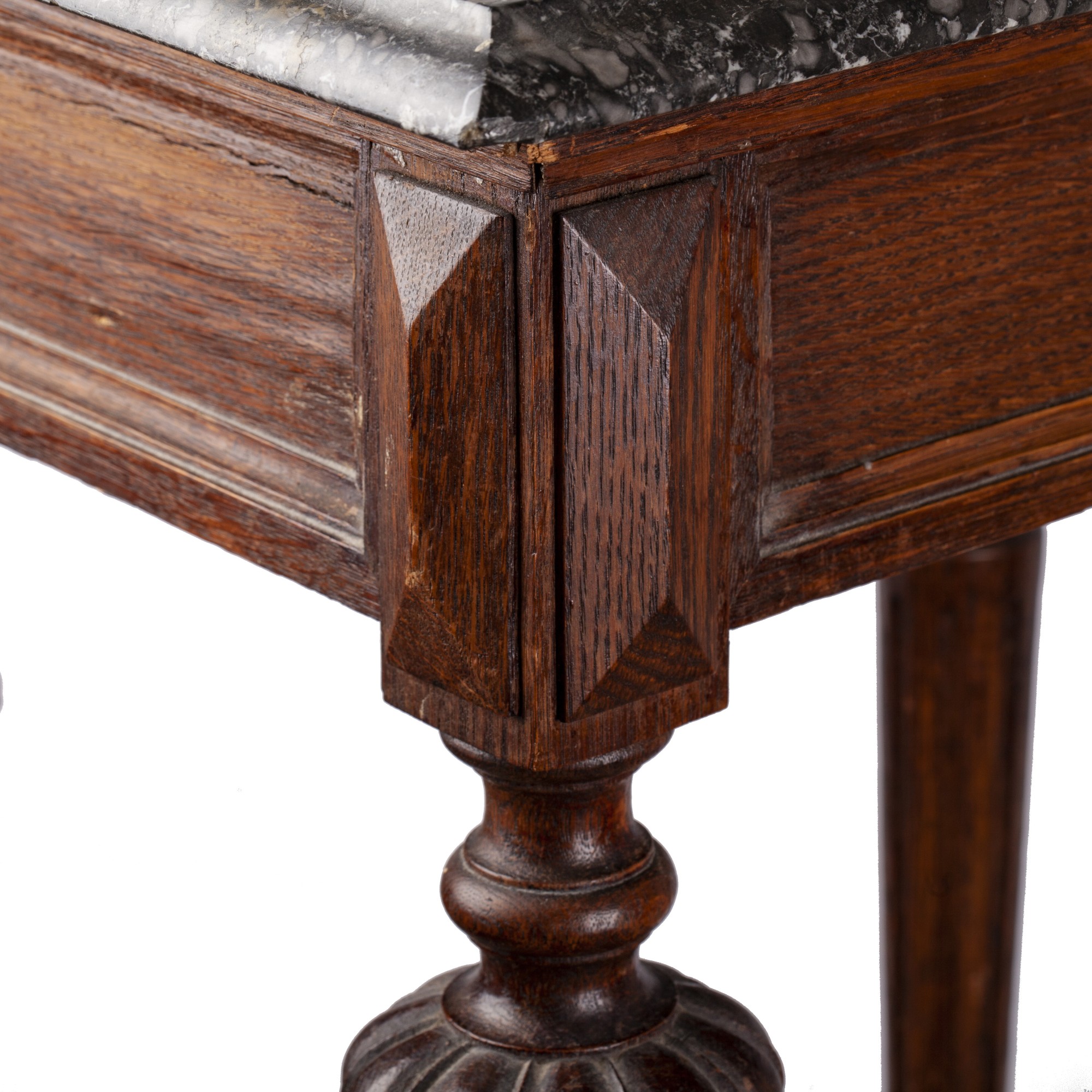
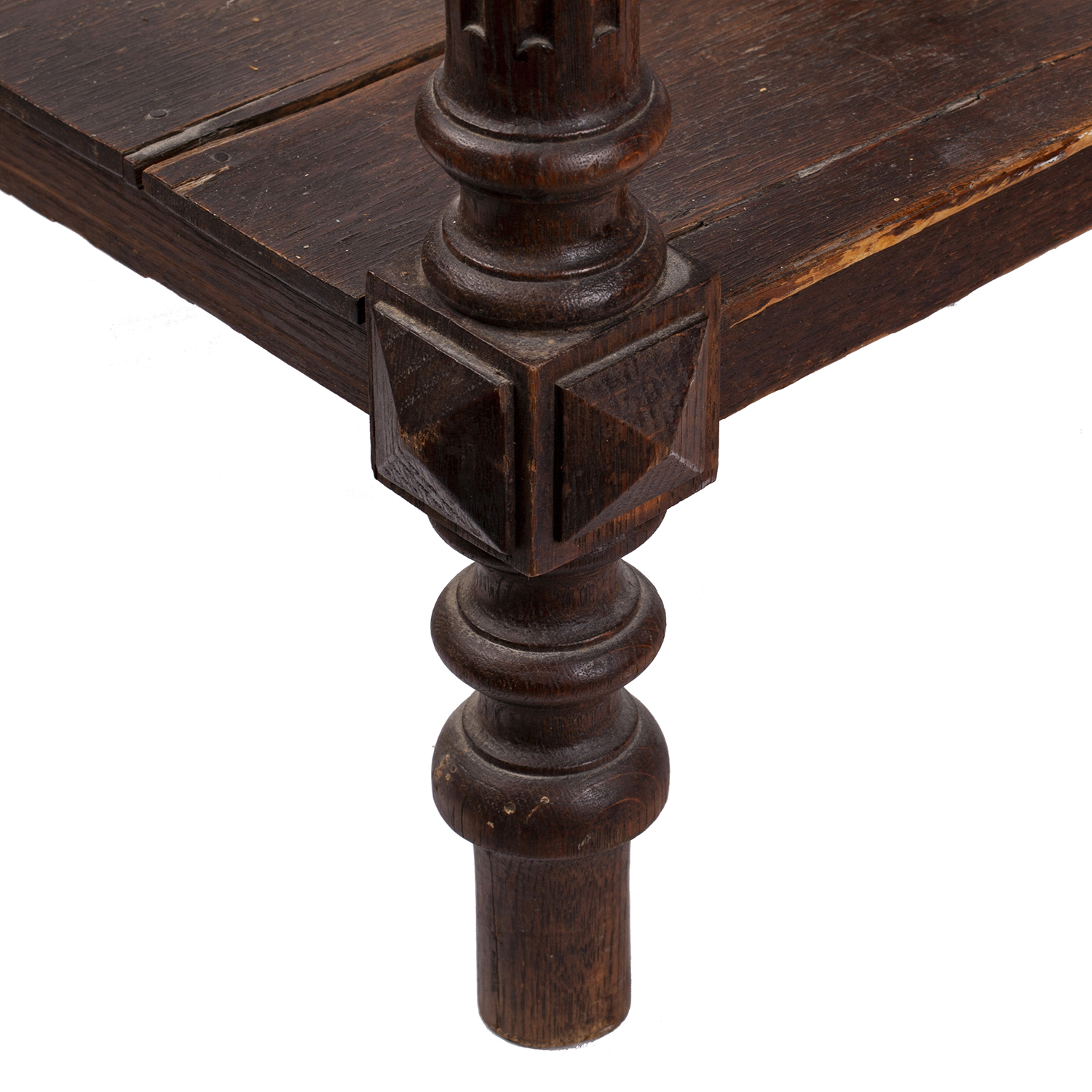
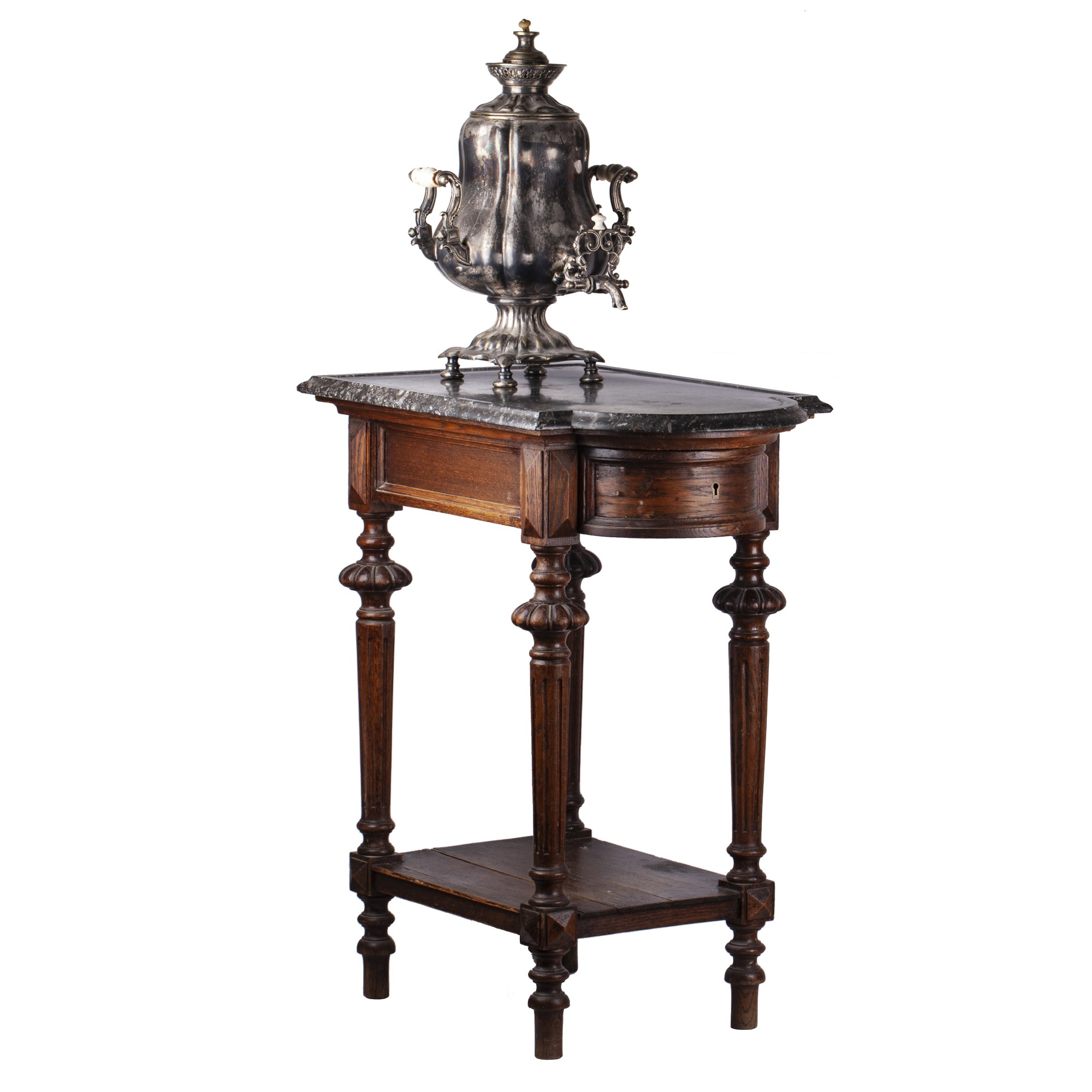
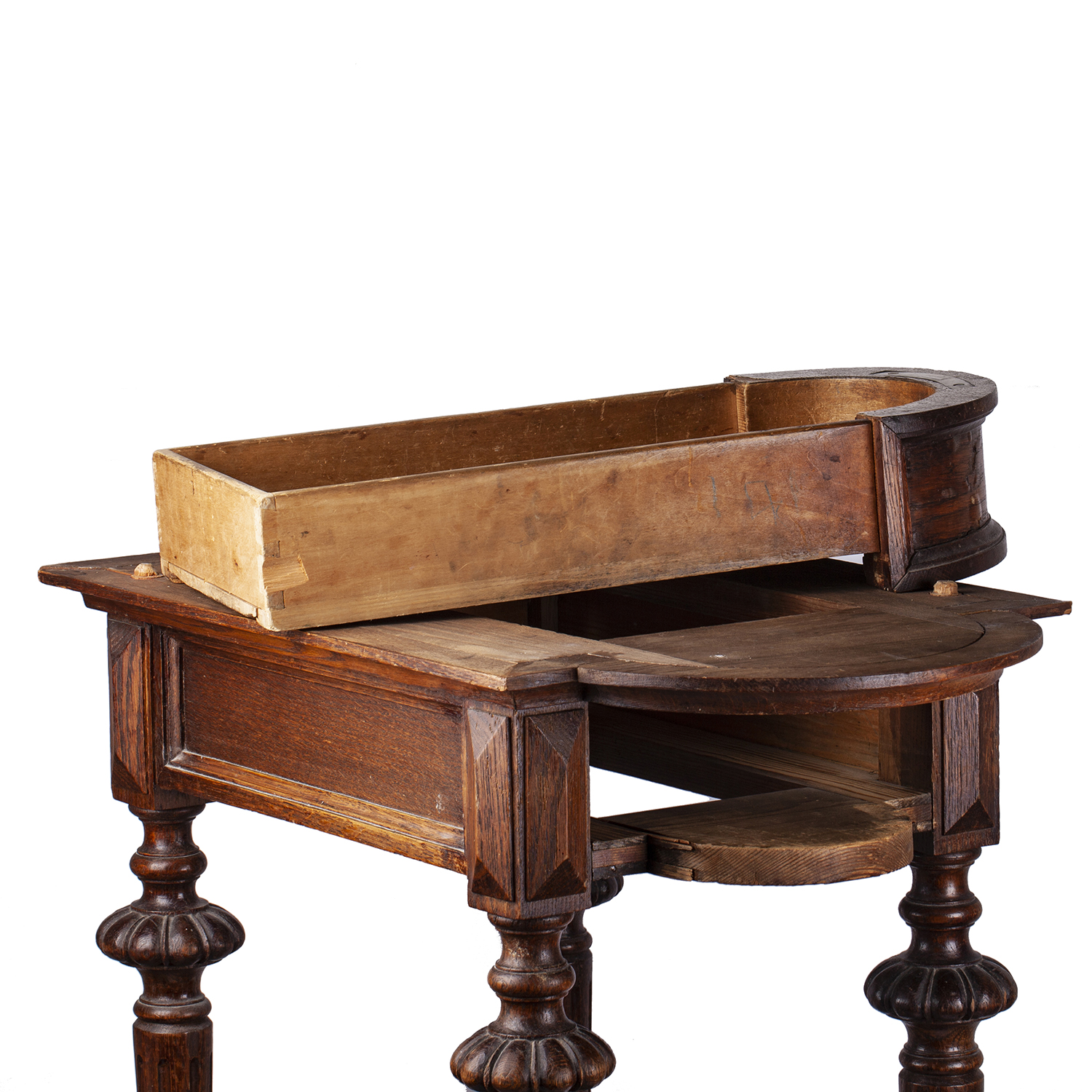
Estimate: 750-1000€Antique Russian samovar table. Wood, marble. The mid of the 19th century.
Dimensions: 77 x 65 x 43 cm.Starting price: 650€
Estimate: 750-1000€
Hammer Price: Not sold -
Lot 0282
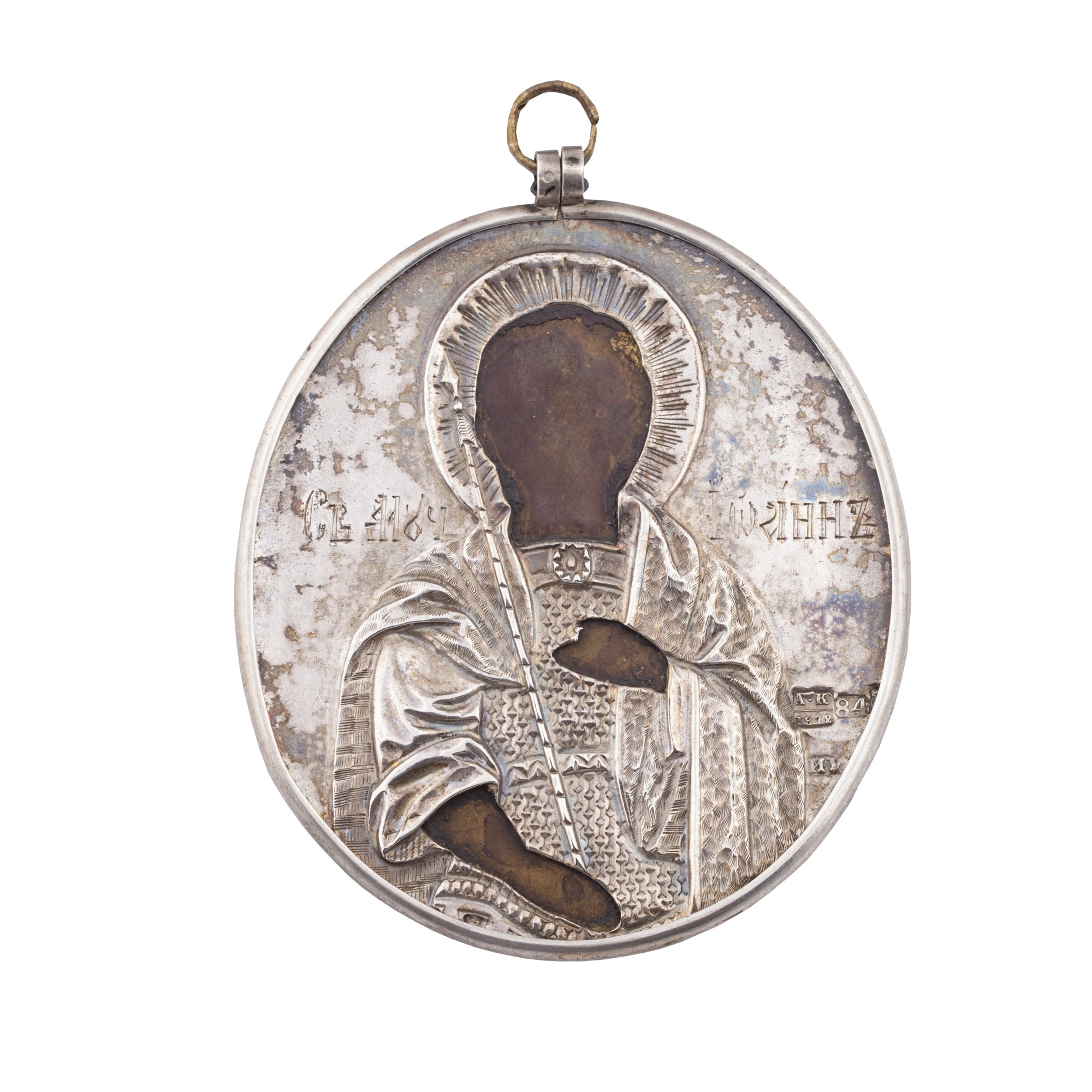
Russian Travel Icon in a Silver Riza with Deesis and Saint Martyr John
Estimate: 500-600€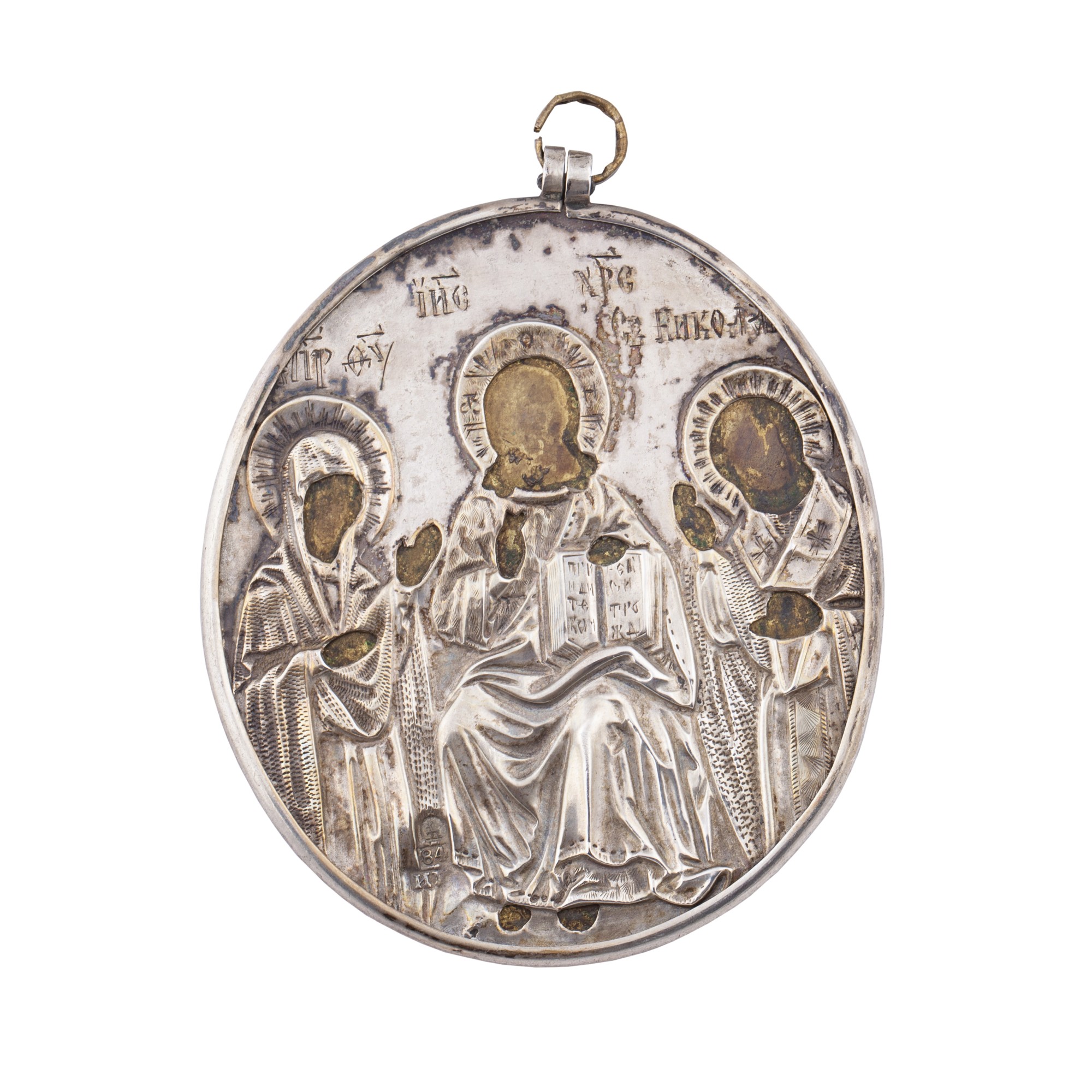
Lot 0282
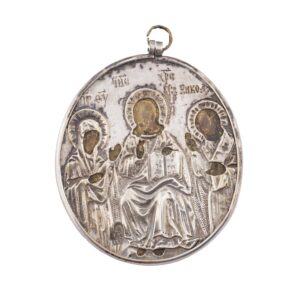
Russian Travel Icon in a Silver Riza with Deesis and Saint Martyr John
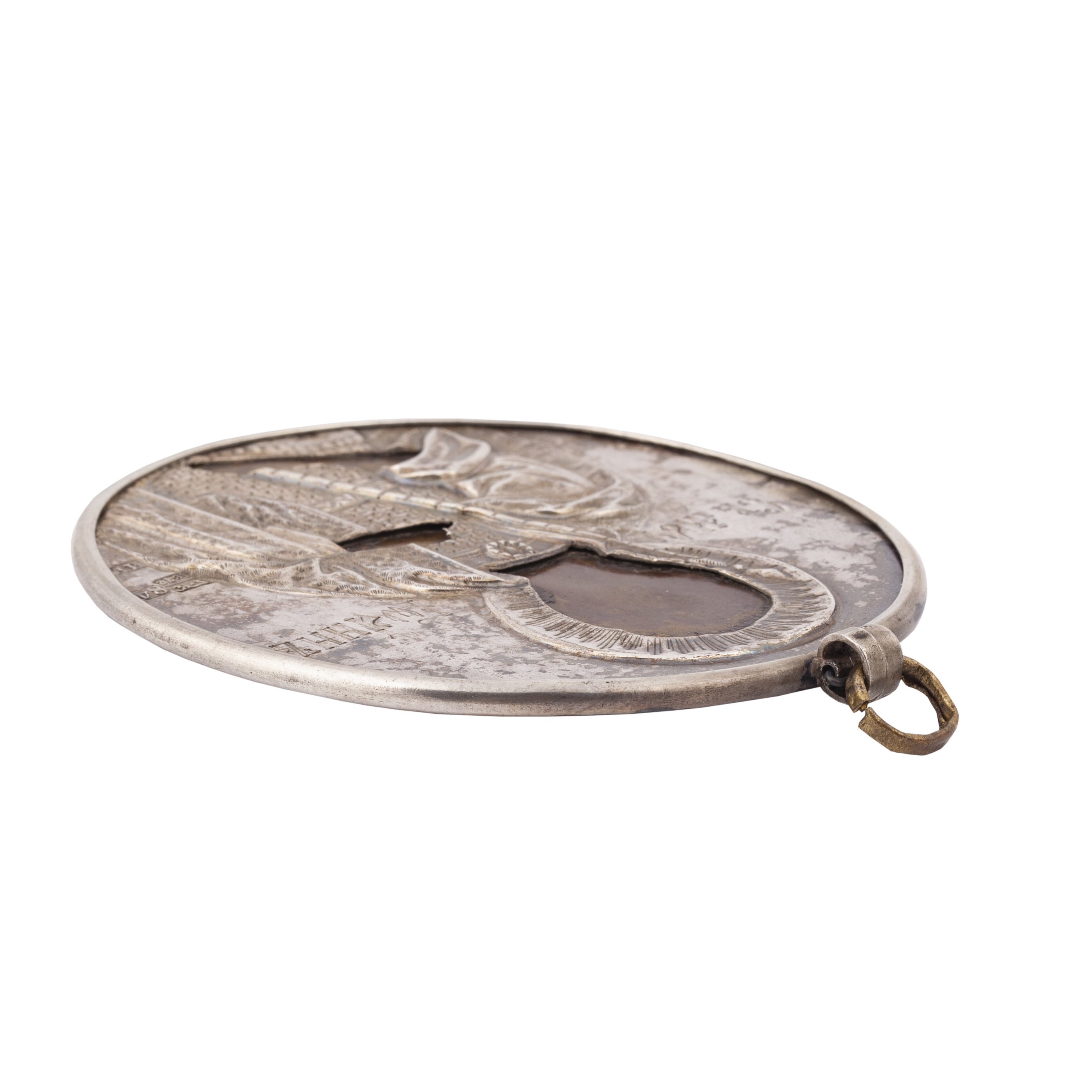
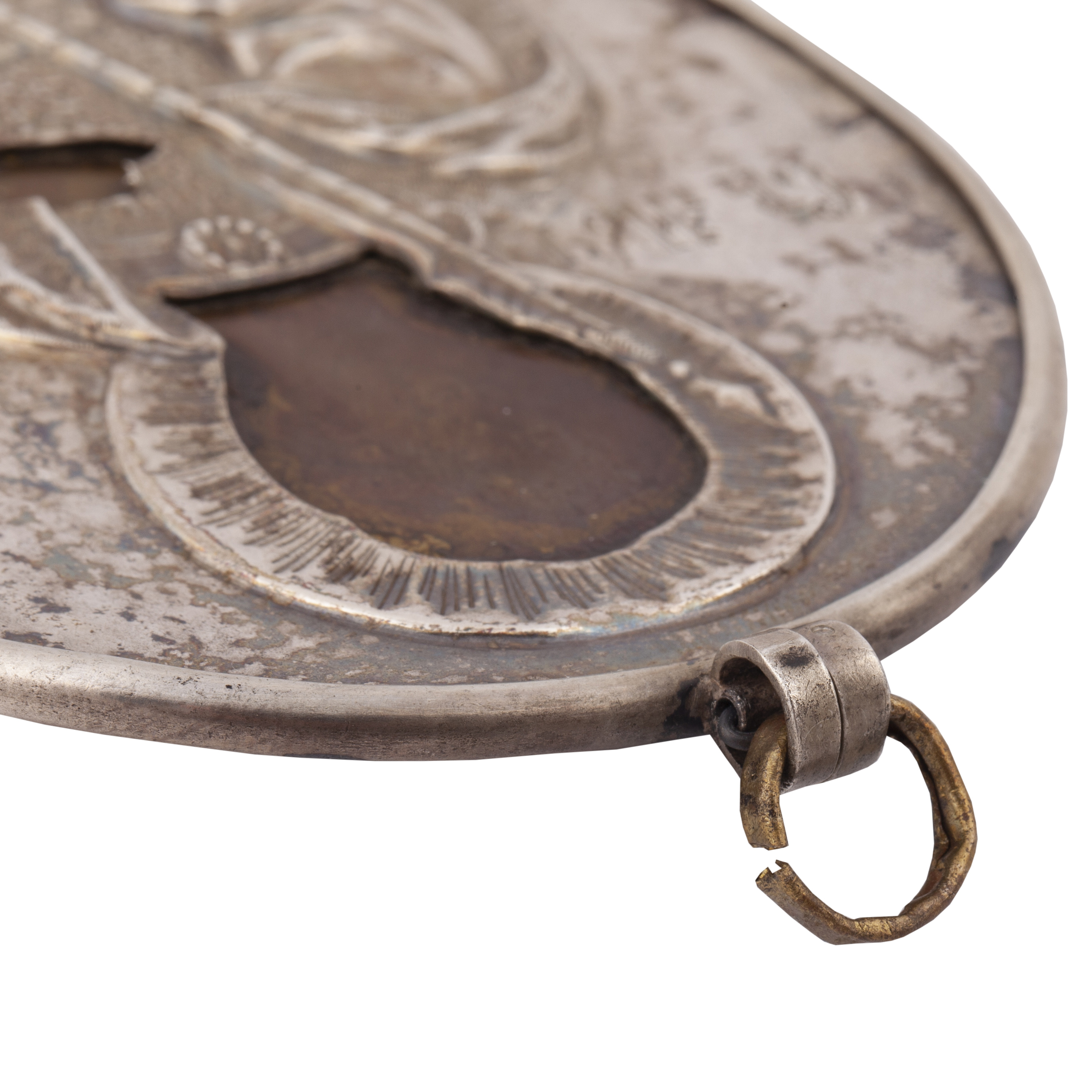
Estimate: 500-600€Travel Icon with Deesis and Saint Martyr John
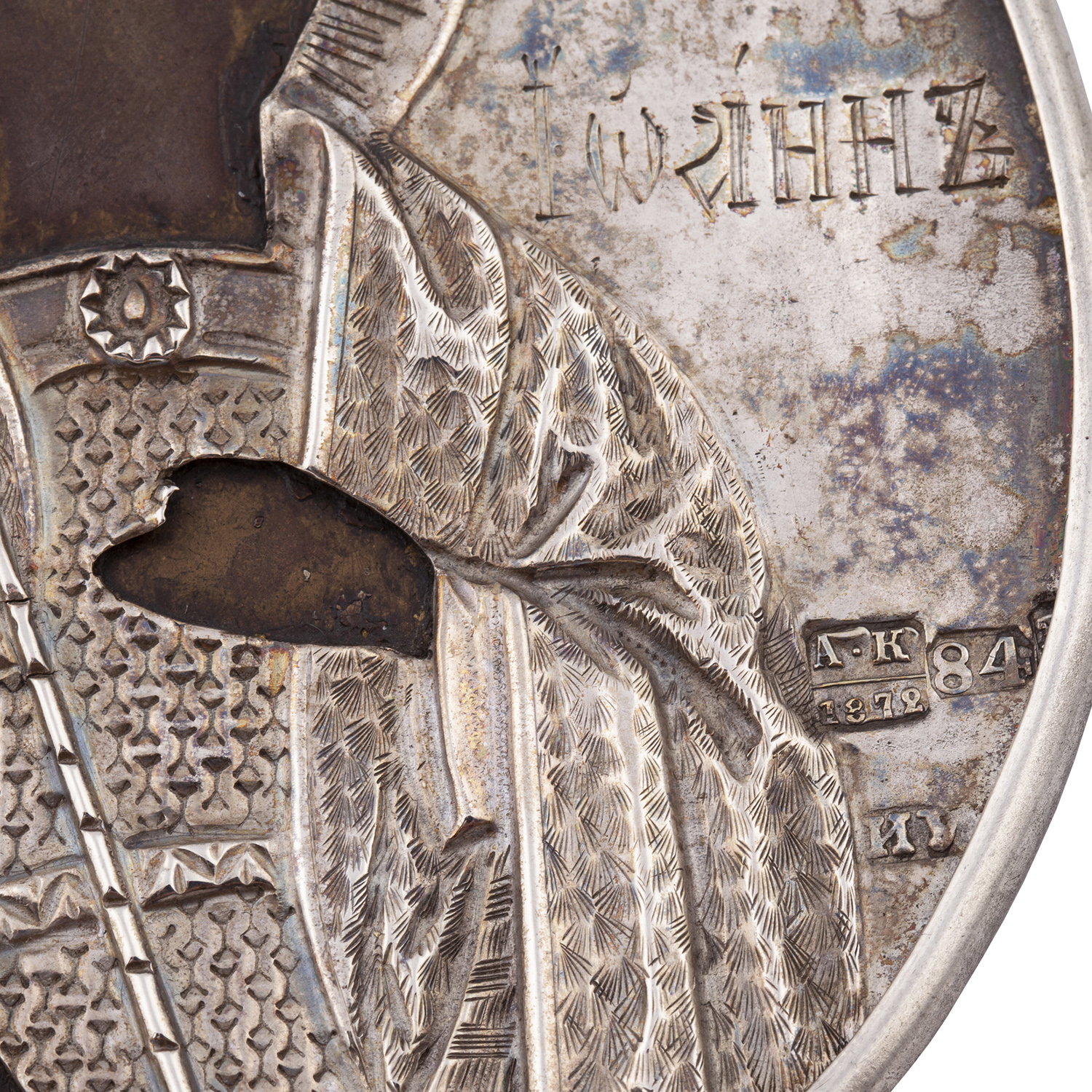
Russia, Nizhniy Novgorod, 1872
Painting on zinc, silver riza (oklad).
Dimensions: 10 × 7.2 cm
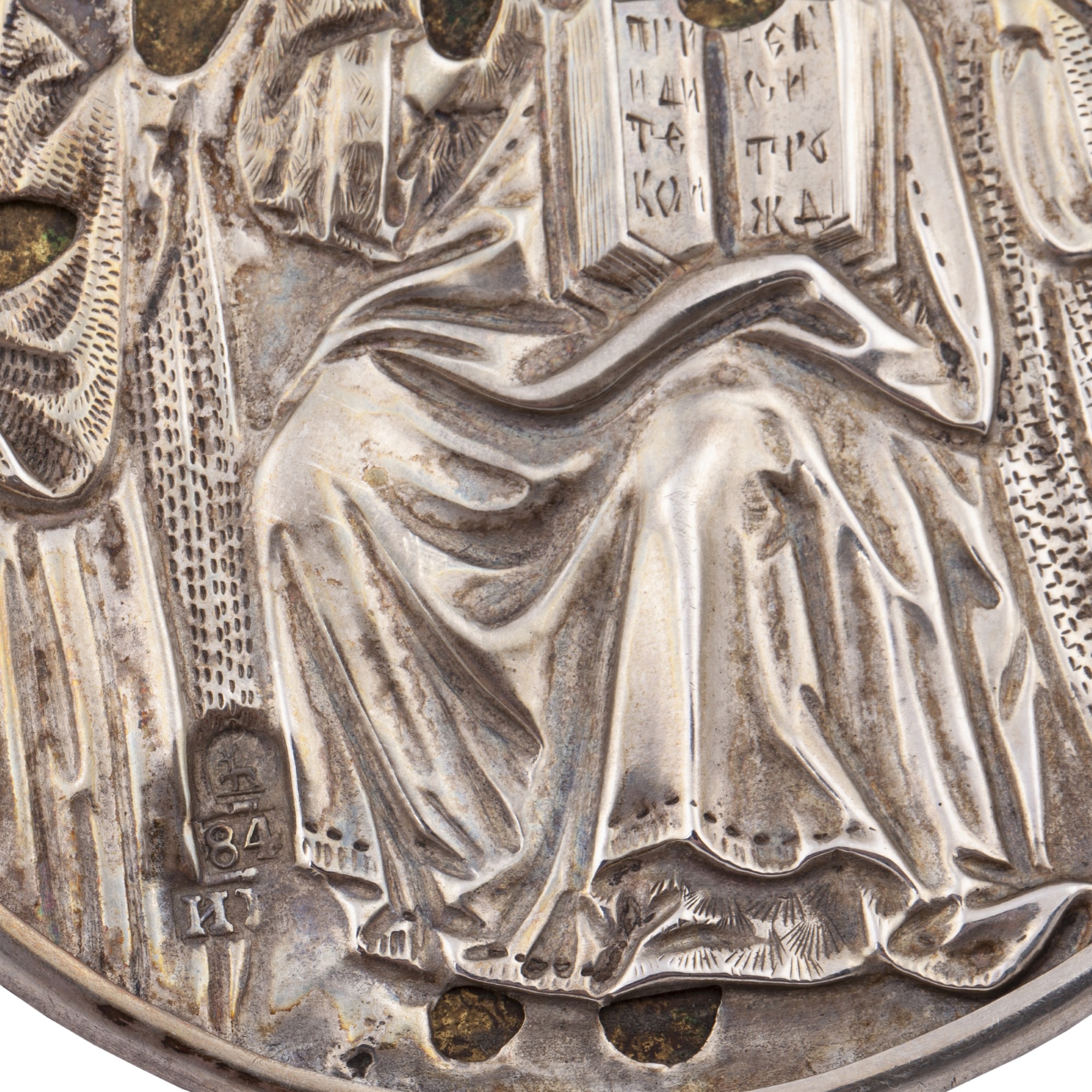
Maker’s mark of I. Udalov.This small double-sided travel icon is an exquisite example of provincial Russian metalwork from the late 19th century. The obverse depicts Saint Martyr John, framed by a finely chased silver riza that leaves the face and hands visible, their darkened tones showing the passage of time. The reverse presents the Deesis composition — Christ enthroned in the center, flanked by the Virgin Mary and St. John the Baptist in prayerful intercession.
The icon’s base is made of zinc — a practical, lightweight metal often used for travel icons. Its chased and engraved silver oklad demonstrates the restrained elegance typical of Nizhniy Novgorod silversmithing.
The maker’s mark belongs to Ivan Ivanovich Udalov (1859–1909), a master silversmith from Nizhniy Novgorod. His hallmark consisted of the initials “ИУ”. Udalov employed one master craftsman, five journeymen, and three apprentices. His workshop produced repoussé and engraved objects in silver and copper, often gilded or silvered. Known works include a reliquary (kovcheg) and an icon cover (oklad) now held in the State Historical Museum, Moscow.
Starting price: 400€
Estimate: 500-600€
Hammer Price: Not sold