
Lot 0161
Russian 19th Century Porcelain Ashtray-Hooligan
Estimate: 800-1000€
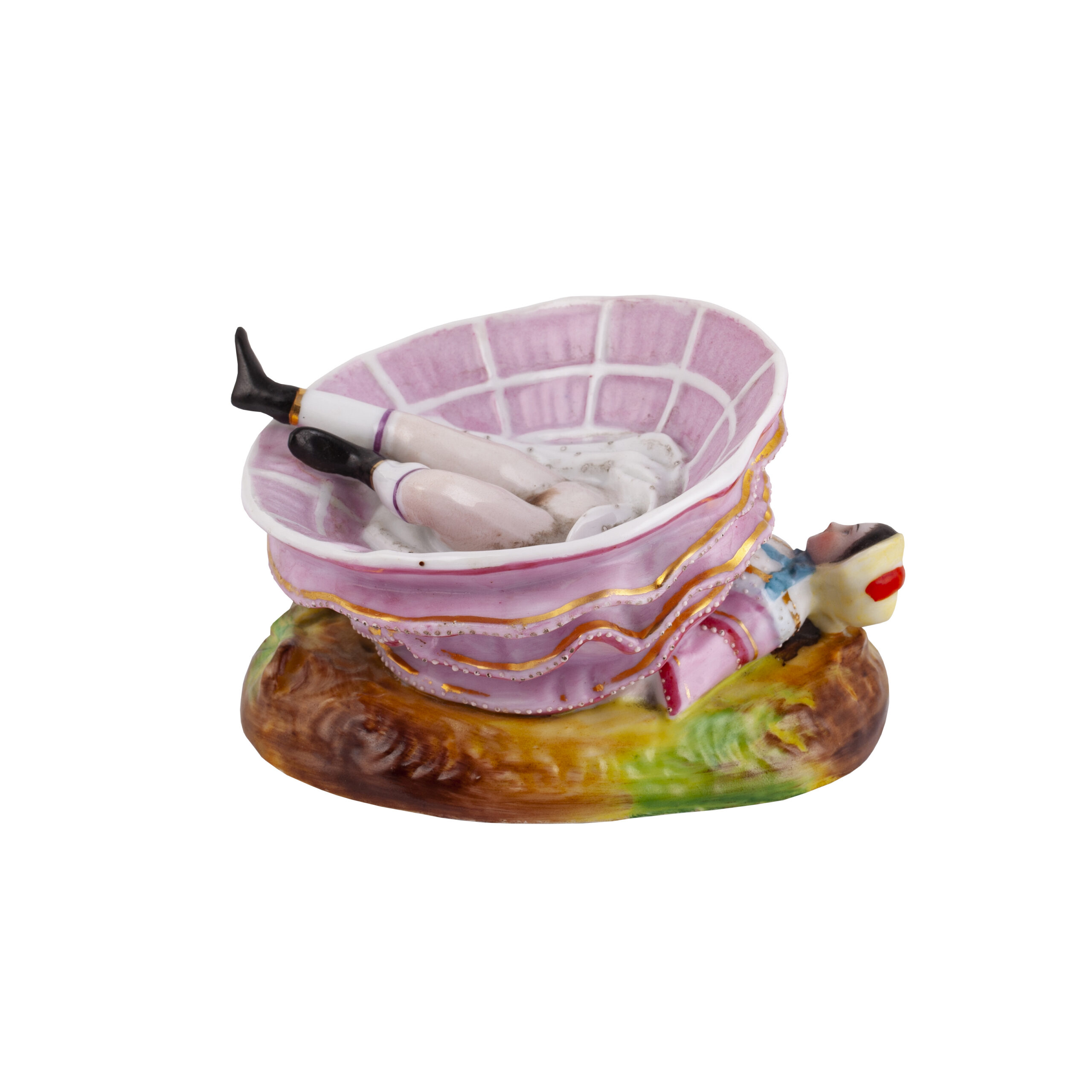
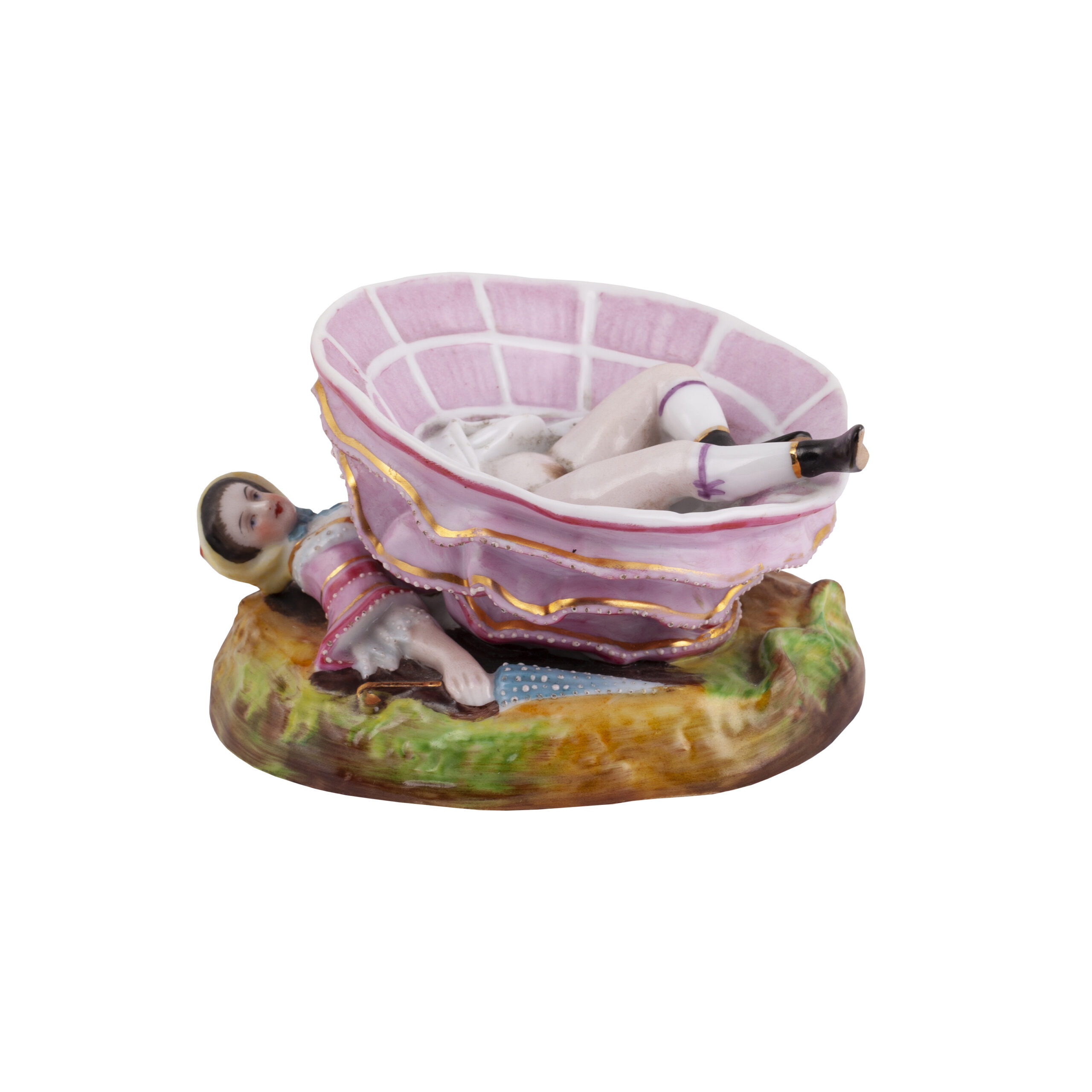
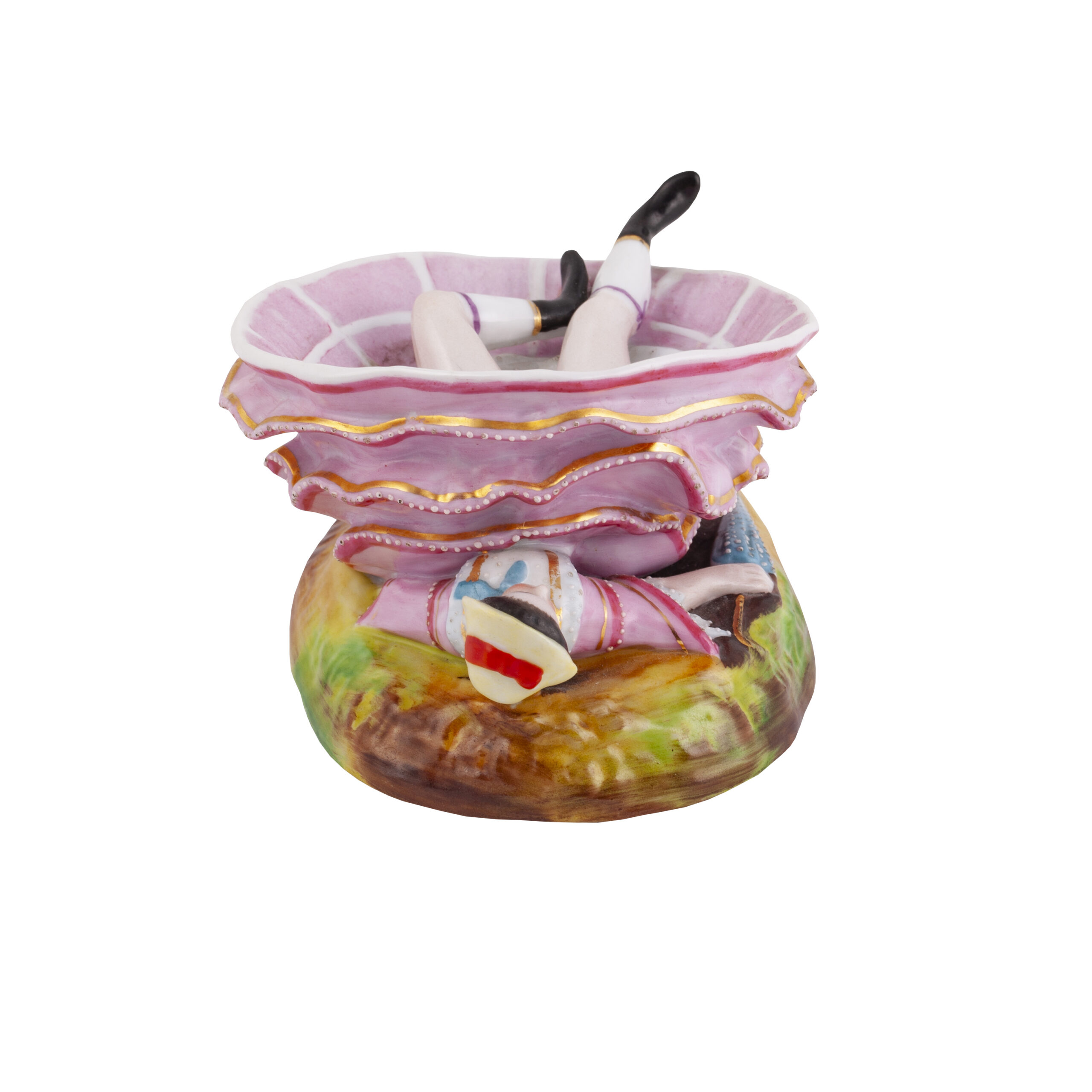
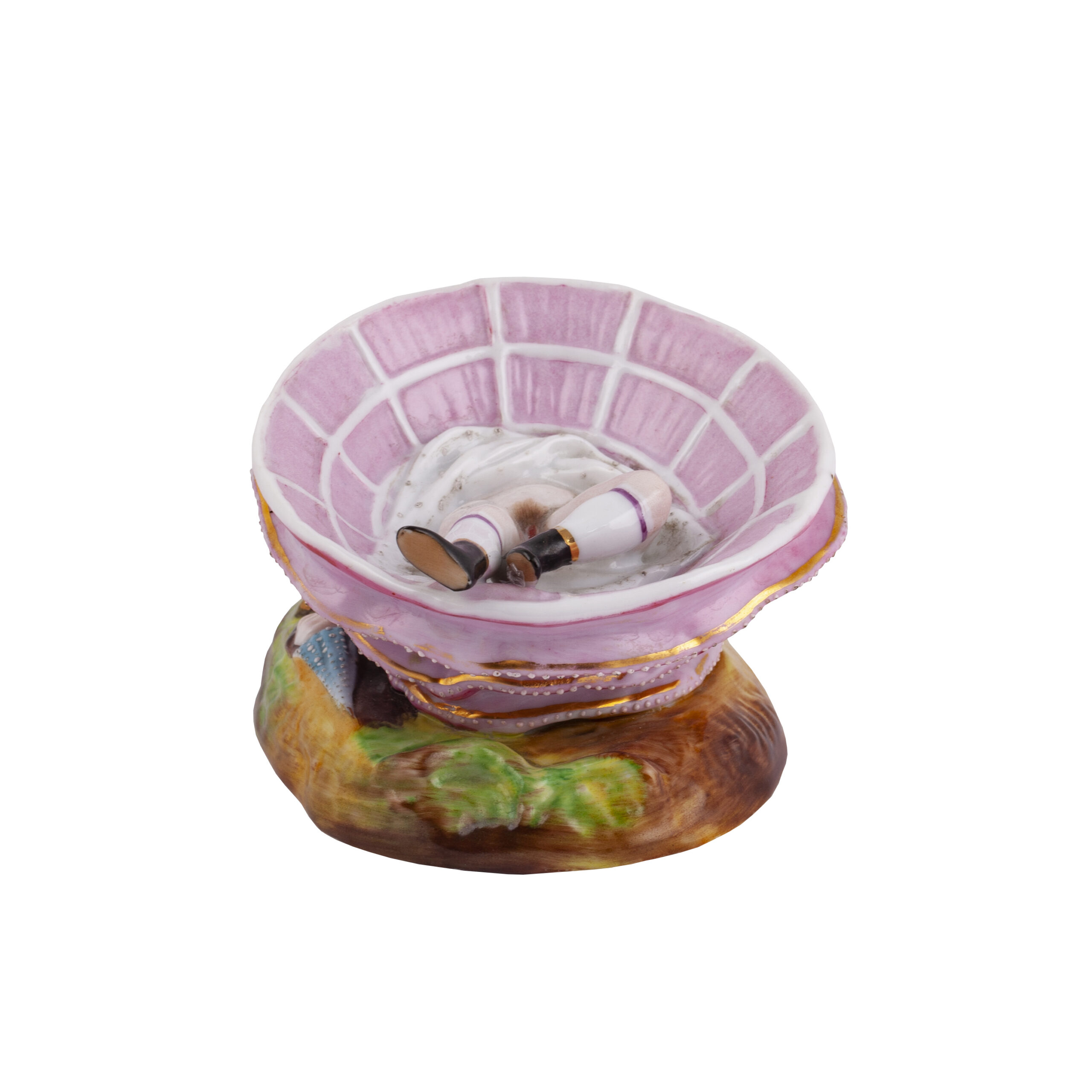
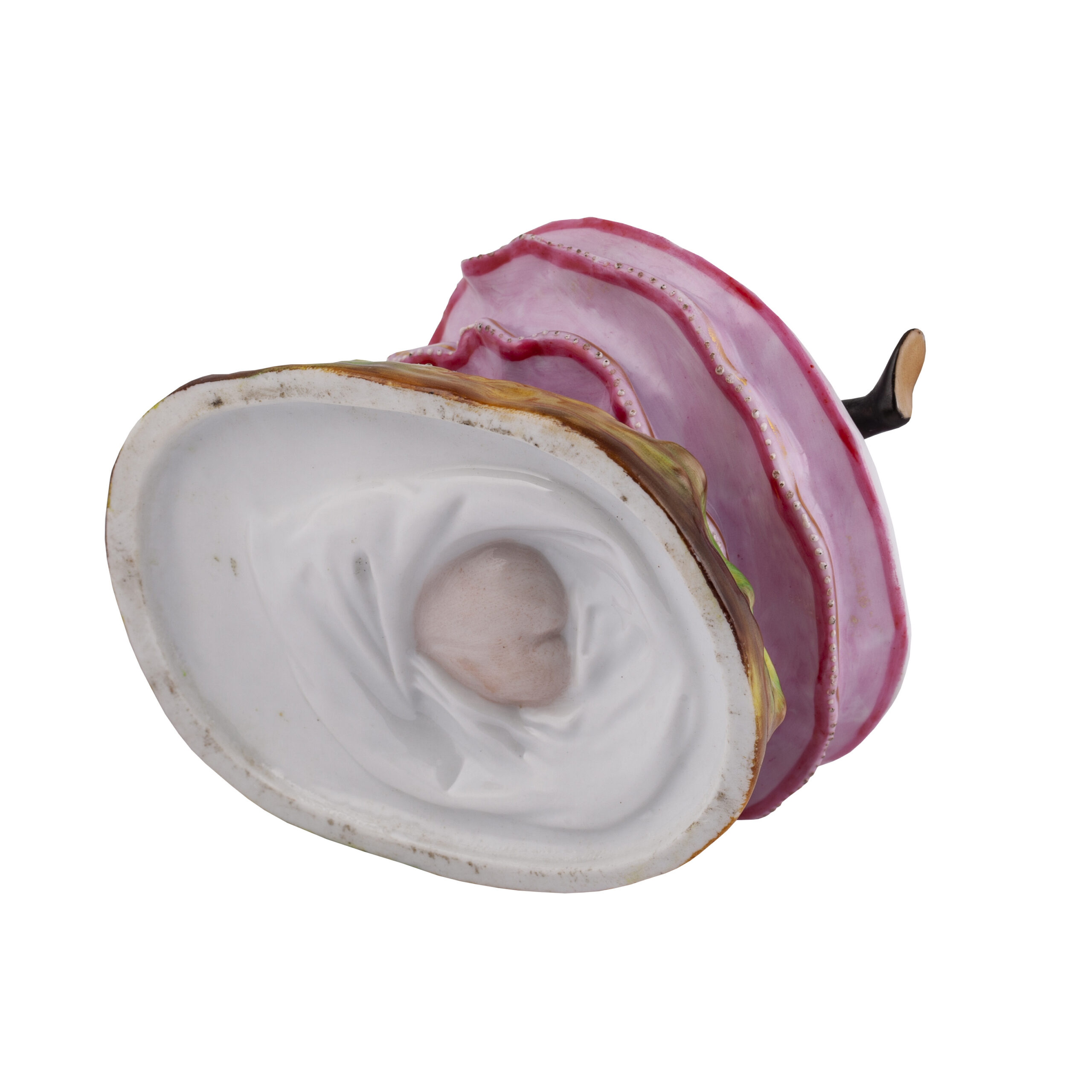
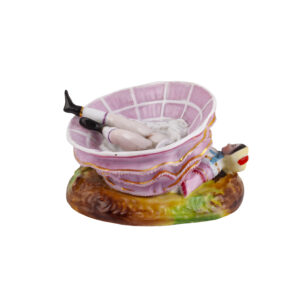
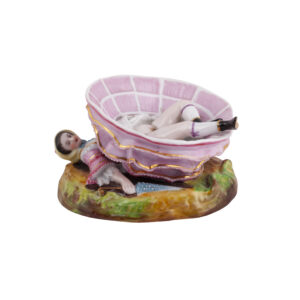
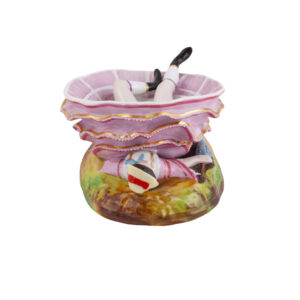
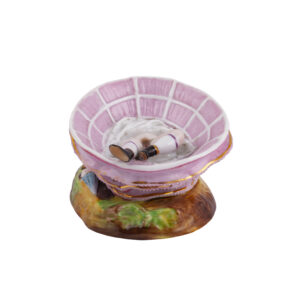
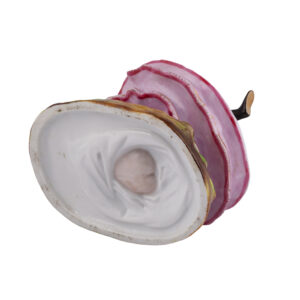
A Russian porcelain “hooligan” ashtray, made at a private porcelain manufactory in the second half of the 19th century.
Dimensions: 7.5 x 13 x 10 cm.
This humorous and somewhat risqué piece depicts a young woman who has fallen backward into an oversized pink shell, her legs playfully visible in the air. Such figurines, often called “hooligan” or “frivolous” porcelain, were produced in small workshops for private clients, contrasting sharply with the more formal and academic porcelain of major factories like Gardner or Kuznetsov.
These objects were popular in the late 19th century among collectors and members of the urban bourgeoisie for their satirical, playful, and sometimes erotic themes.
Starting price: 600€
Estimate: 800-1000€
Hammer Price: 600€
Related Lots
-
Lot 0159
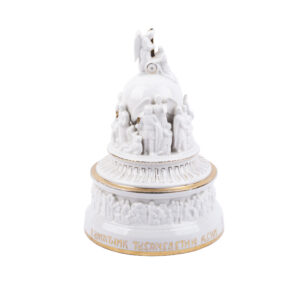
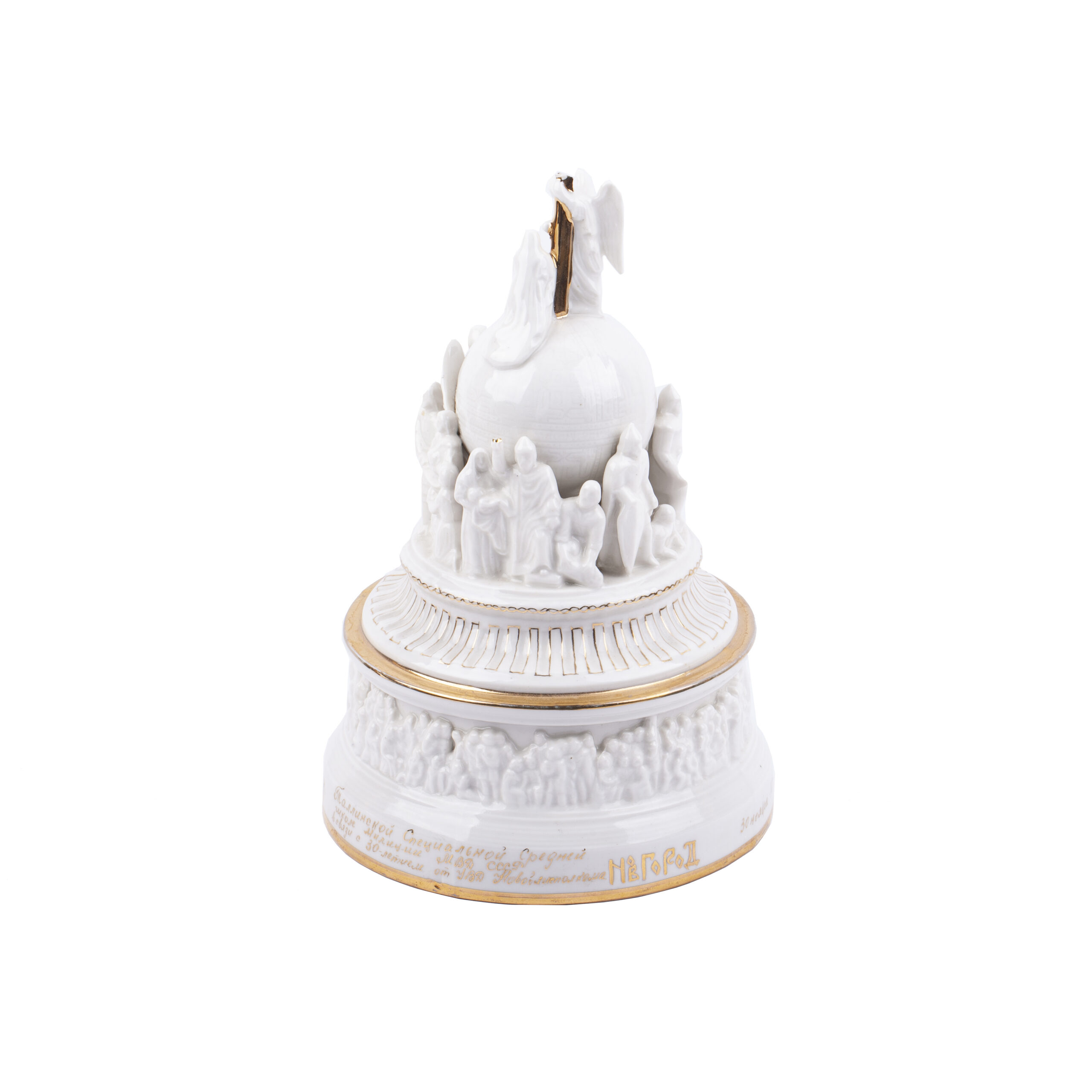
Russian Porcelain Figure Replicating the Millennium of Russia monument in Novgorod
Estimate: 50-100€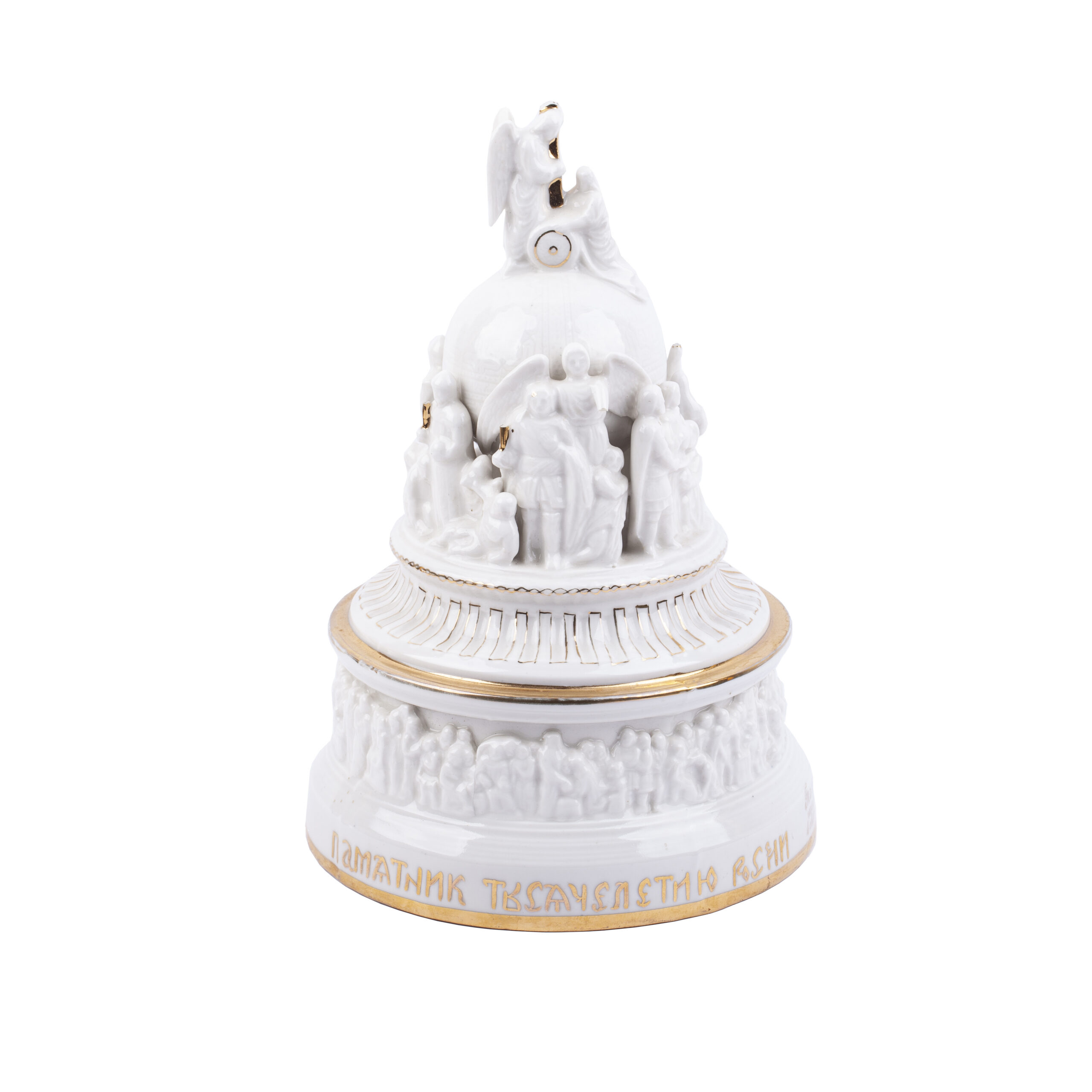
Lot 0159
Russian Porcelain Figure Replicating the Millennium of Russia monument in Novgorod
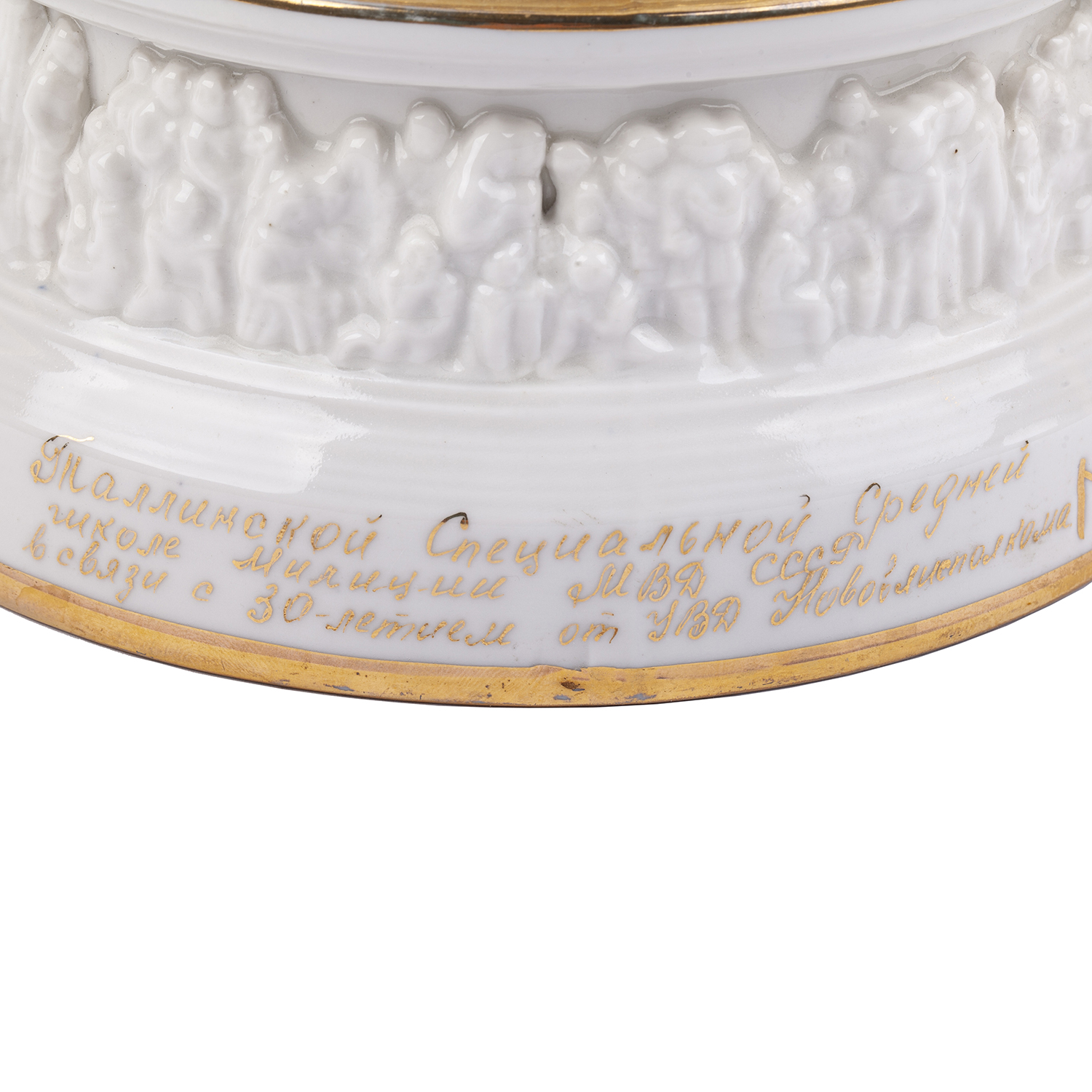
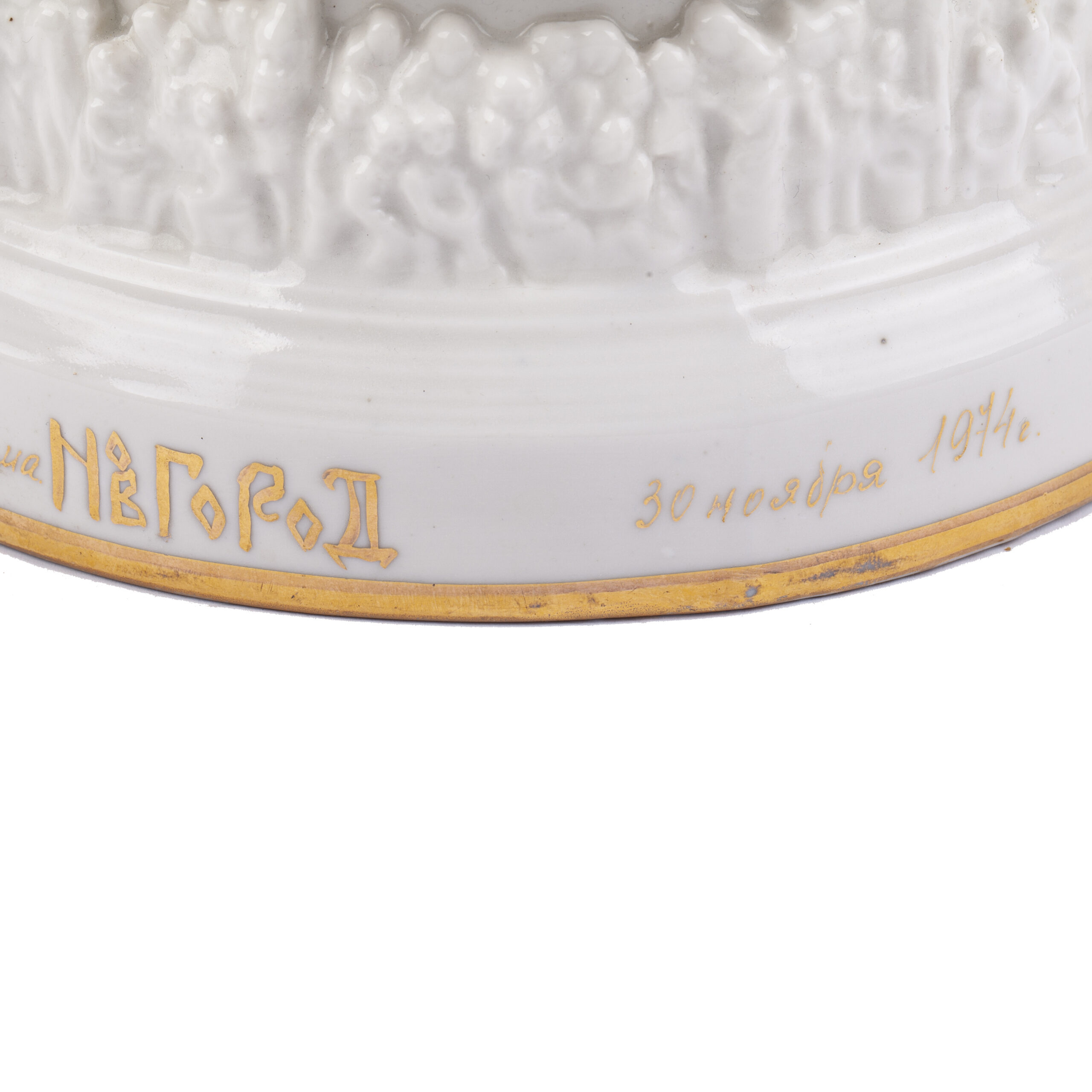
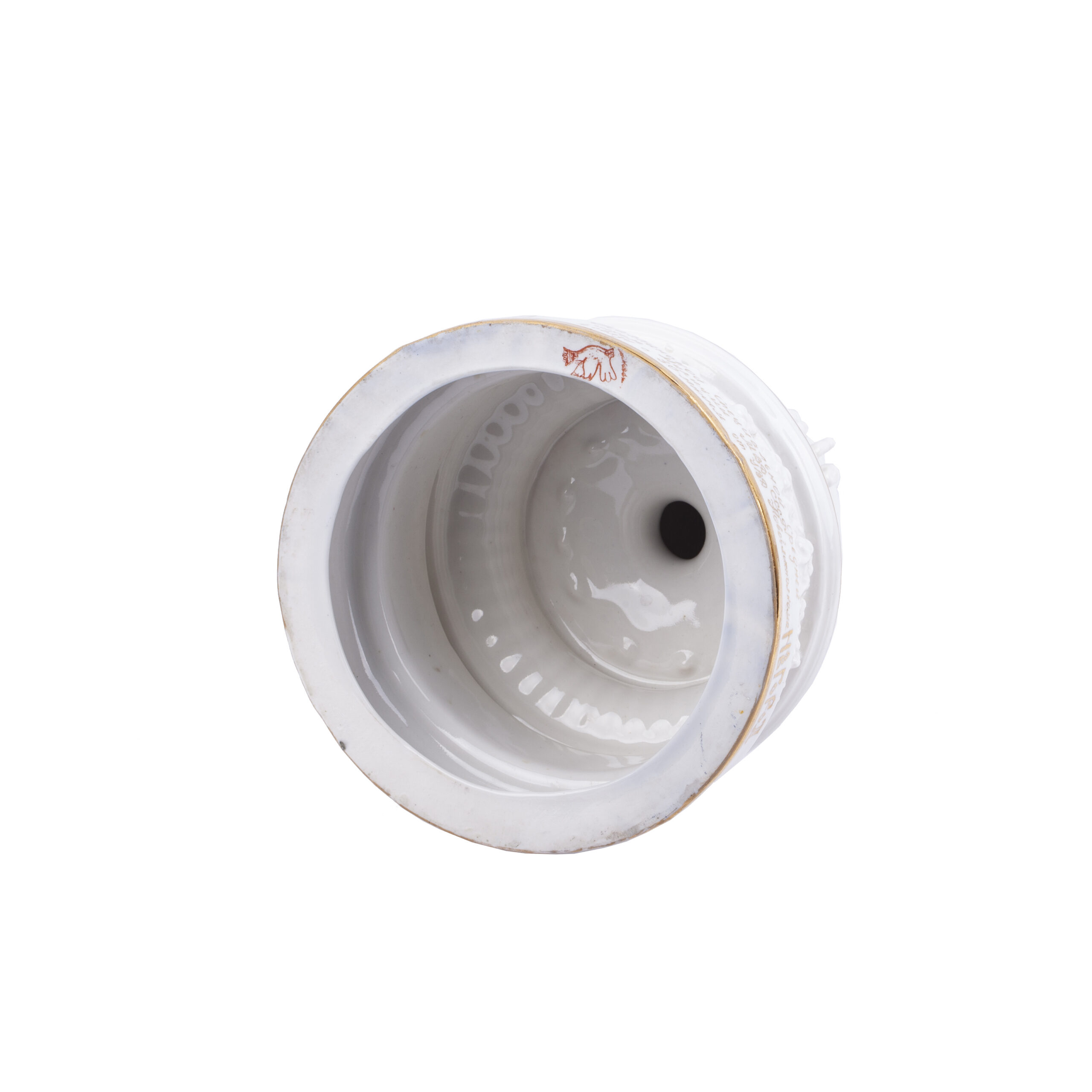
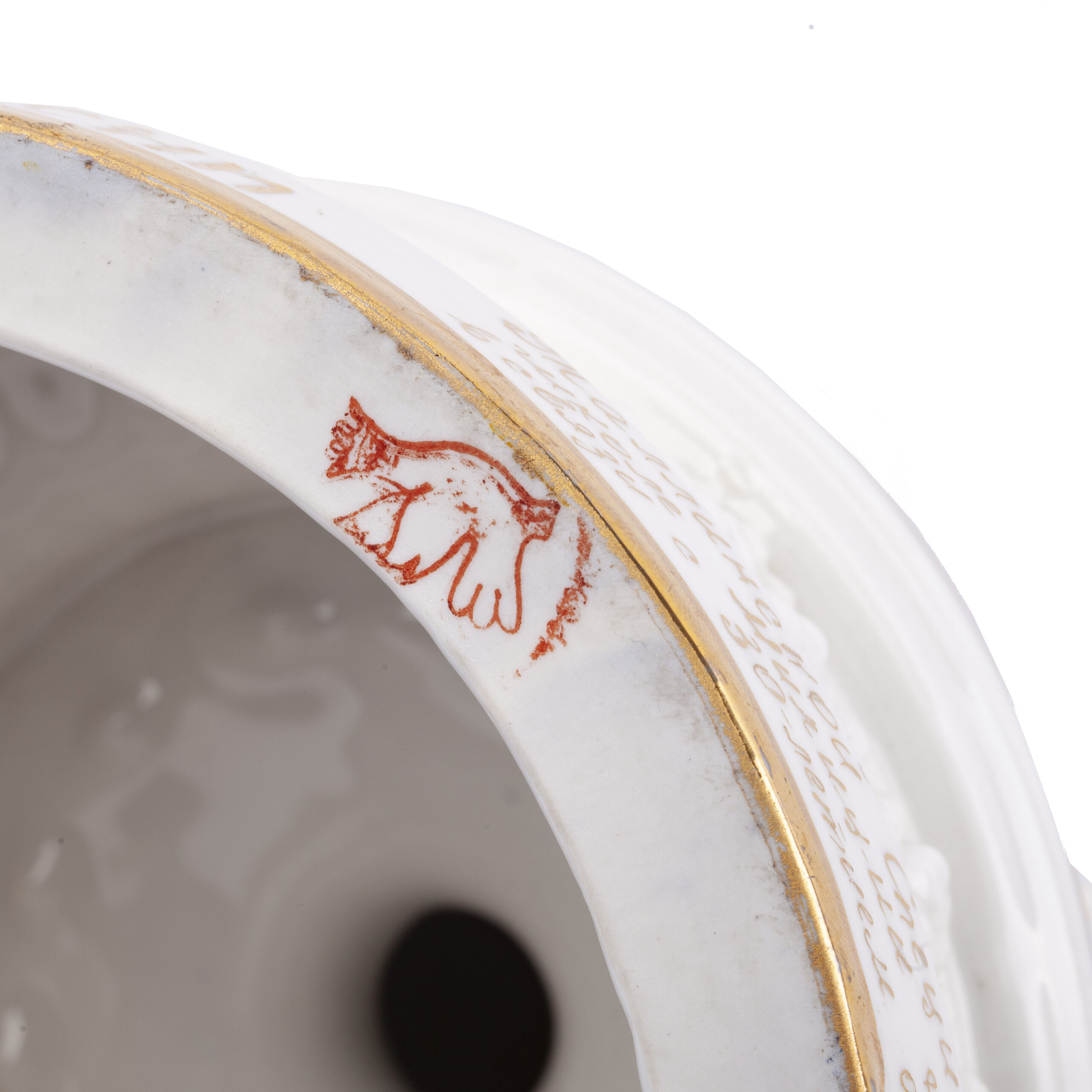
Estimate: 50-100€A Russian porcelain figure modeled after the famous monument Millennium of Russia in the city of Novgorod. The inscription on the base reads: Tallinn Special Secondary Police School of the Ministry of Internal Affairs of the USSR, in honor of the 30th anniversary of the Internal Affairs Directorate of the Executive Committee. November 30, 1974. Maker’s mark: Bronnitsi Manufactory (Proletary factory).
Dimensions: 27 x 18 cm.The Proletary Porcelain Factory, located near Novgorod, is best known for its porcelain tableware. Aimed primarily at the mass consumer, the factory’s artists created simple, elegant forms that combined well with a variety of decorative styles. Gift pieces were hand-painted, often with large, vibrant floral compositions arranged in bouquets or garlands. The painting was done in bold brushstrokes, and sometimes the ornament covered the entire surface of the item.
The history of Proletary dates back to the 19th century, when it was originally known as the Bronnitsi Porcelain Factory.
Starting price: 20€
Estimate: 50-100€
Hammer Price: UNSOLD€ -
Lot 0160
Russian Porcelain Plate, Designed by Elizabeth Bem (BEHM) with a Proverb
Estimate: 250-350€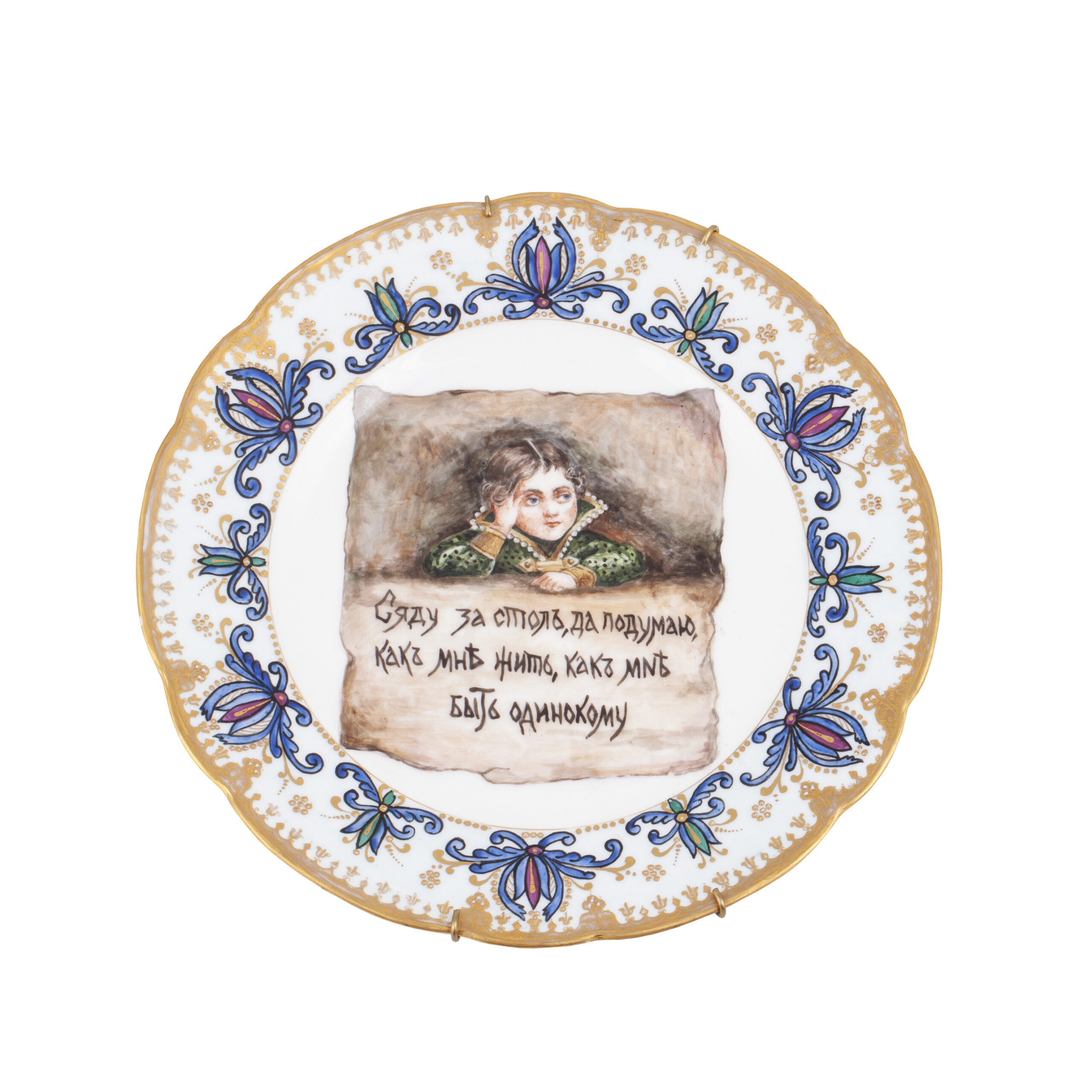
Lot 0160
Russian Porcelain Plate, Designed by Elizabeth Bem (BEHM) with a Proverb
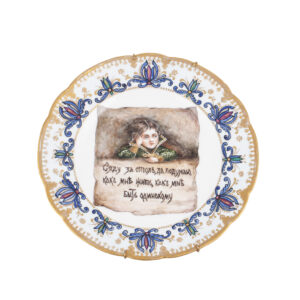
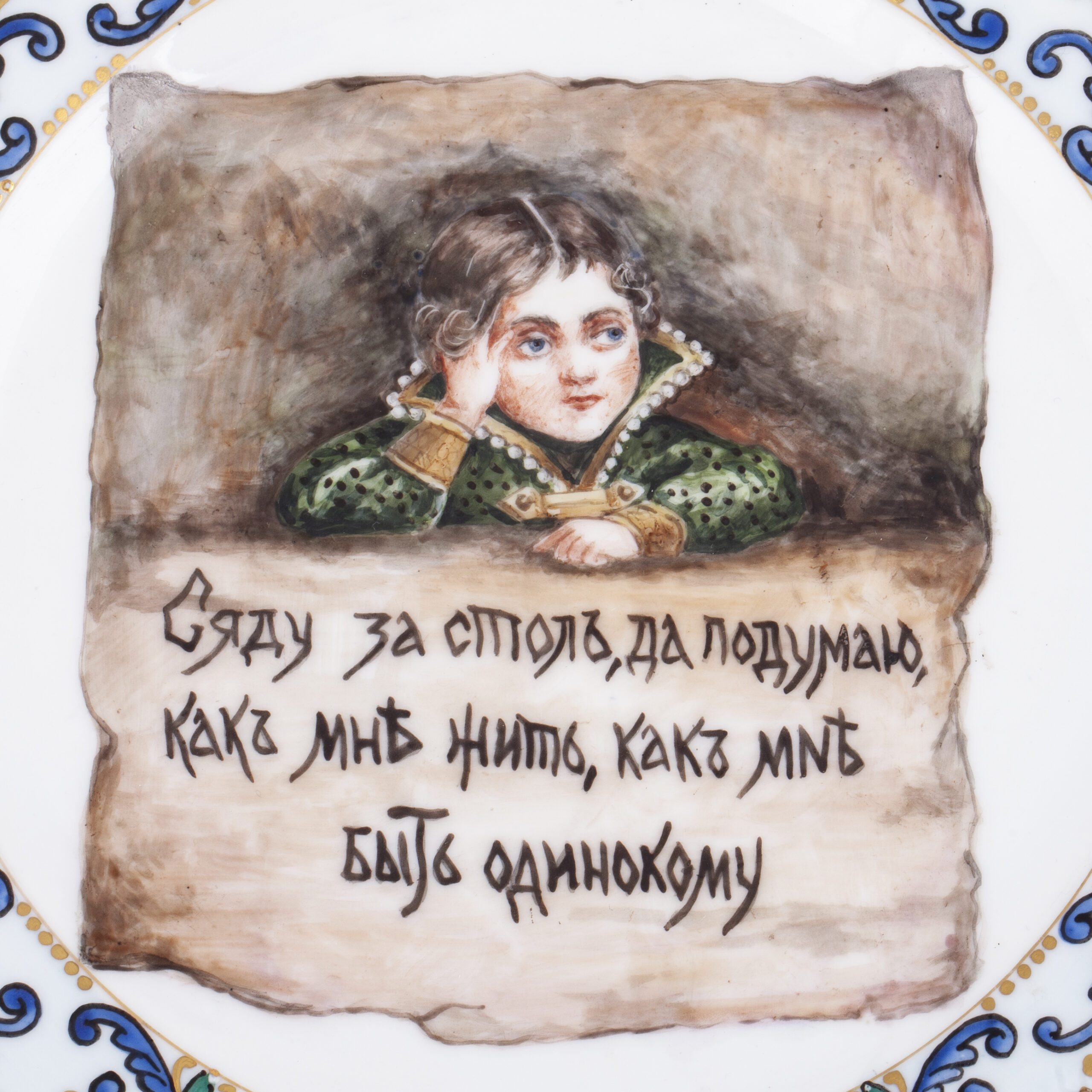
Estimate: 250-350€A Russian porcelain plate designed by Elisaveta (Elizabeth) Bem (Böhm), decorated with a proverb:
“I’ll sit down at the table and think about how I should live, how I should be lonely.”
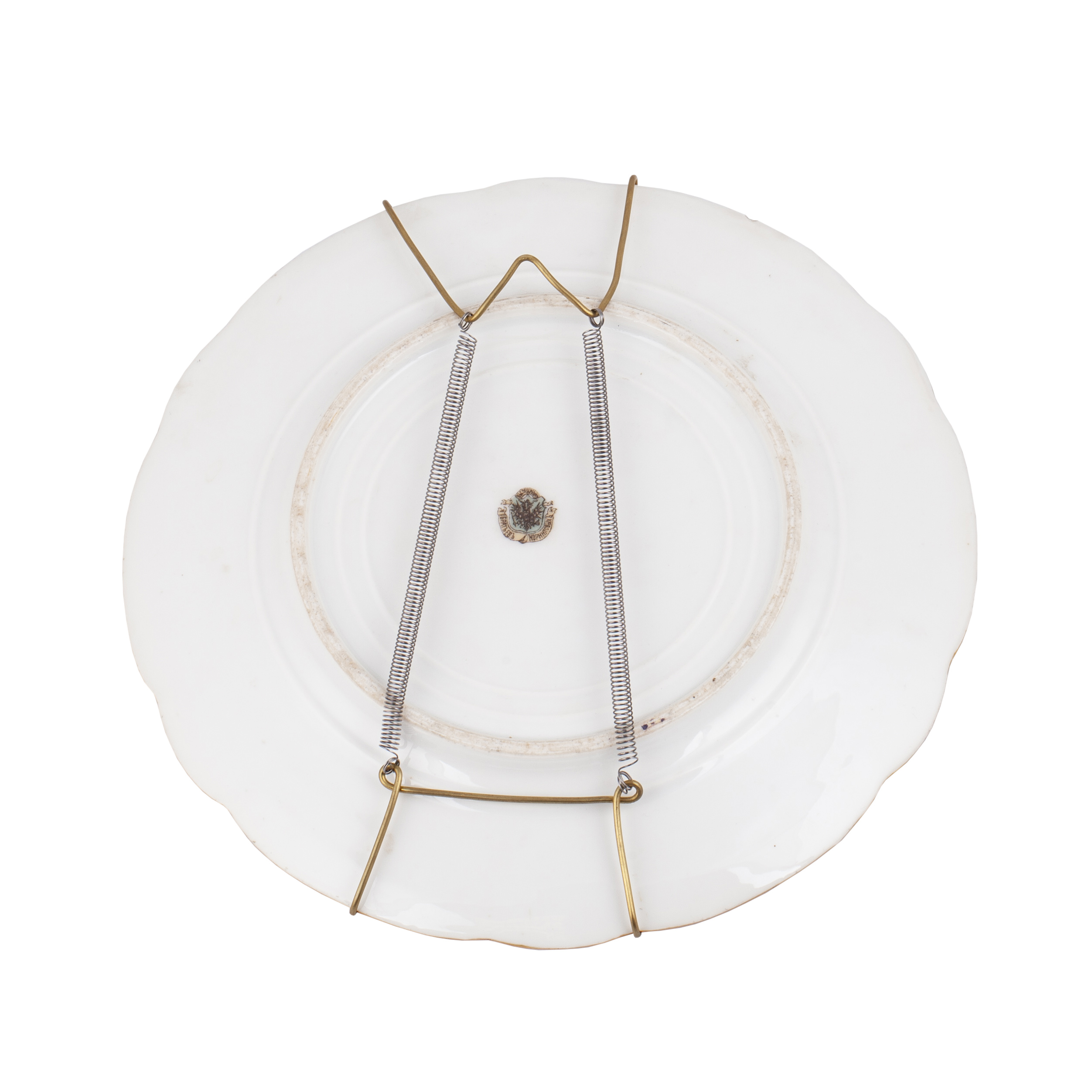
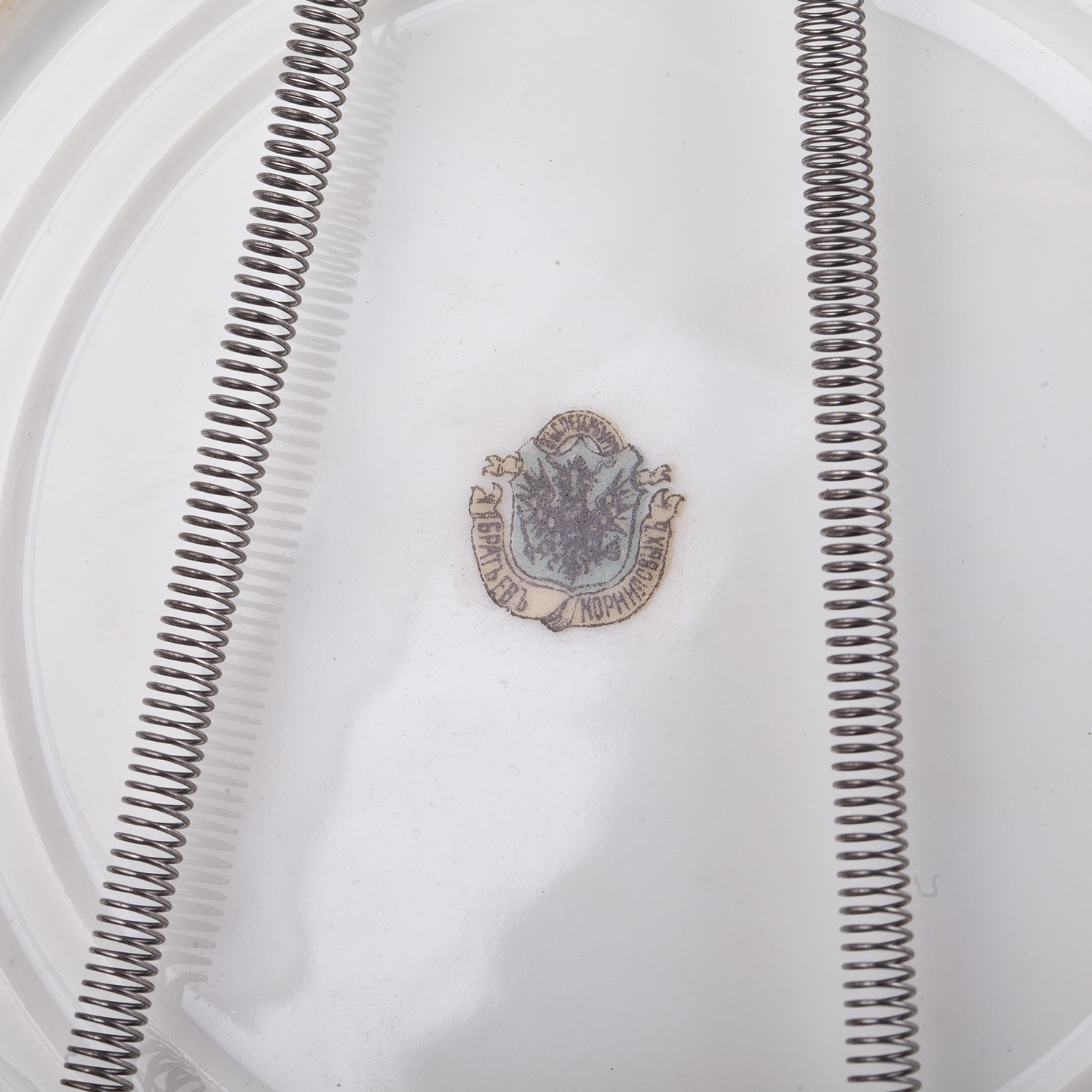
Maker’s mark: Kornilov Manufactory, St. Petersburg.
Date: late 19th – early 20th century.
Diameter: 24.8 cm.Elisaveta Merkuryevna Bem (1843–1914) was a Russian artist and illustrator, born into an old noble family of Tatar origin. She studied at the Drawing School of the Society for the Encouragement of the Arts in St. Petersburg and graduated with a silver medal in 1864.
Bem became widely known for her silhouette albums — “Silhouettes” (1875) and “Silhouettes from Children’s Life” (1877) — and later for her illustrations of Russian folk proverbs and sayings. She collaborated with prominent publishers, including Posrednik (at the invitation of Leo Tolstoy) and I.D. Sytin, creating drawings full of warmth, humor, and insight into everyday life.
In the 1890s she began designing patterns for glassware and porcelain, achieving success at major exhibitions — including the World’s Fair in Chicago (1893) and the All-Russian Exhibition in Nizhny Novgorod (1896).
Her works were highly regarded both in Russia and abroad, receiving medals at international exhibitions in Paris (1900), Munich (1902), and Milan (1906). Bem’s art is admired for its lyrical simplicity and deep empathy toward common people and children, often expressed through moral reflections and folk wisdom — as seen in this plate’s design.
Starting price: 200€
Estimate: 250-350€
Hammer Price: 250€ -
Lot 0162
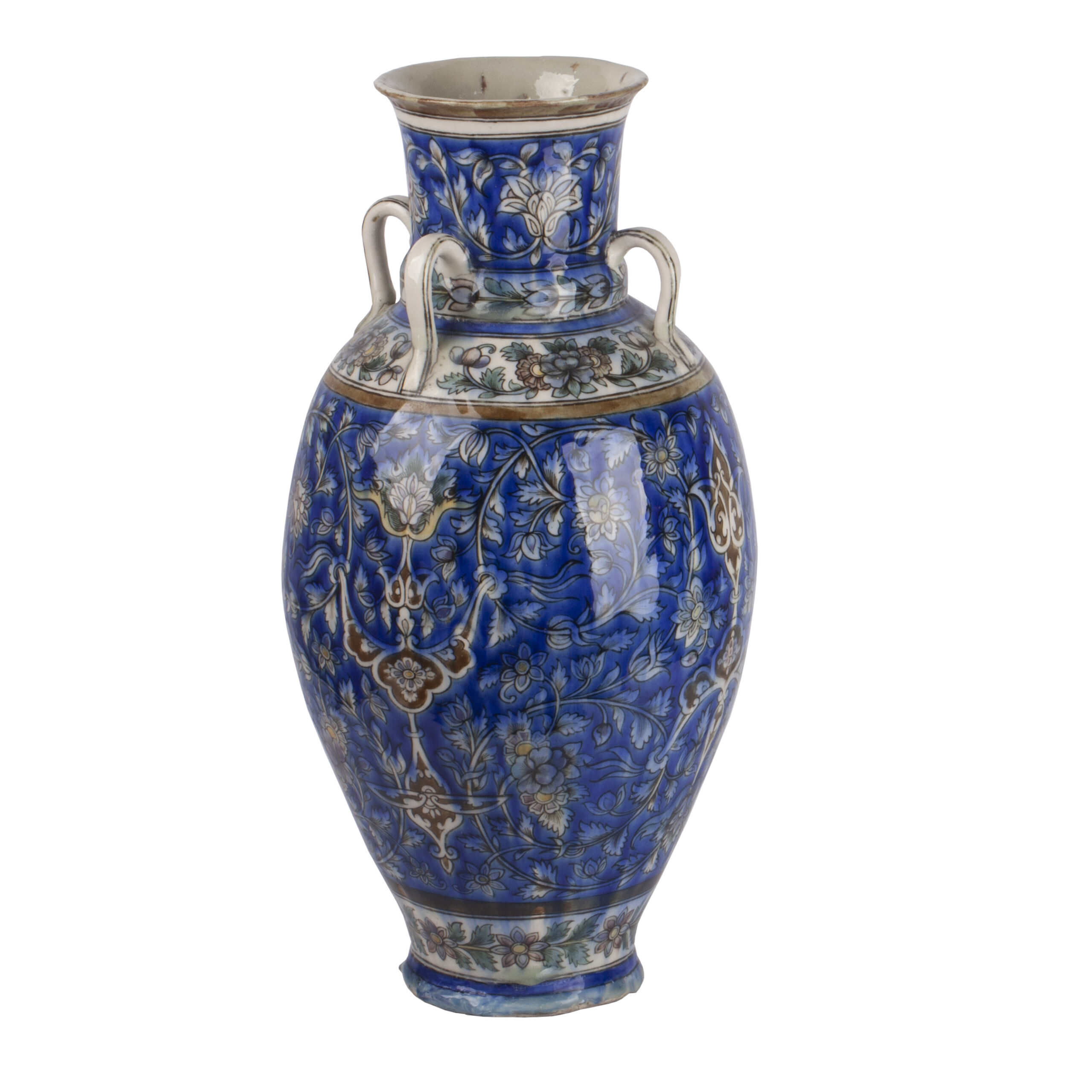
Large Qajar Underglaze-Painted Pottery Vase, Persia
Estimate: 600-800€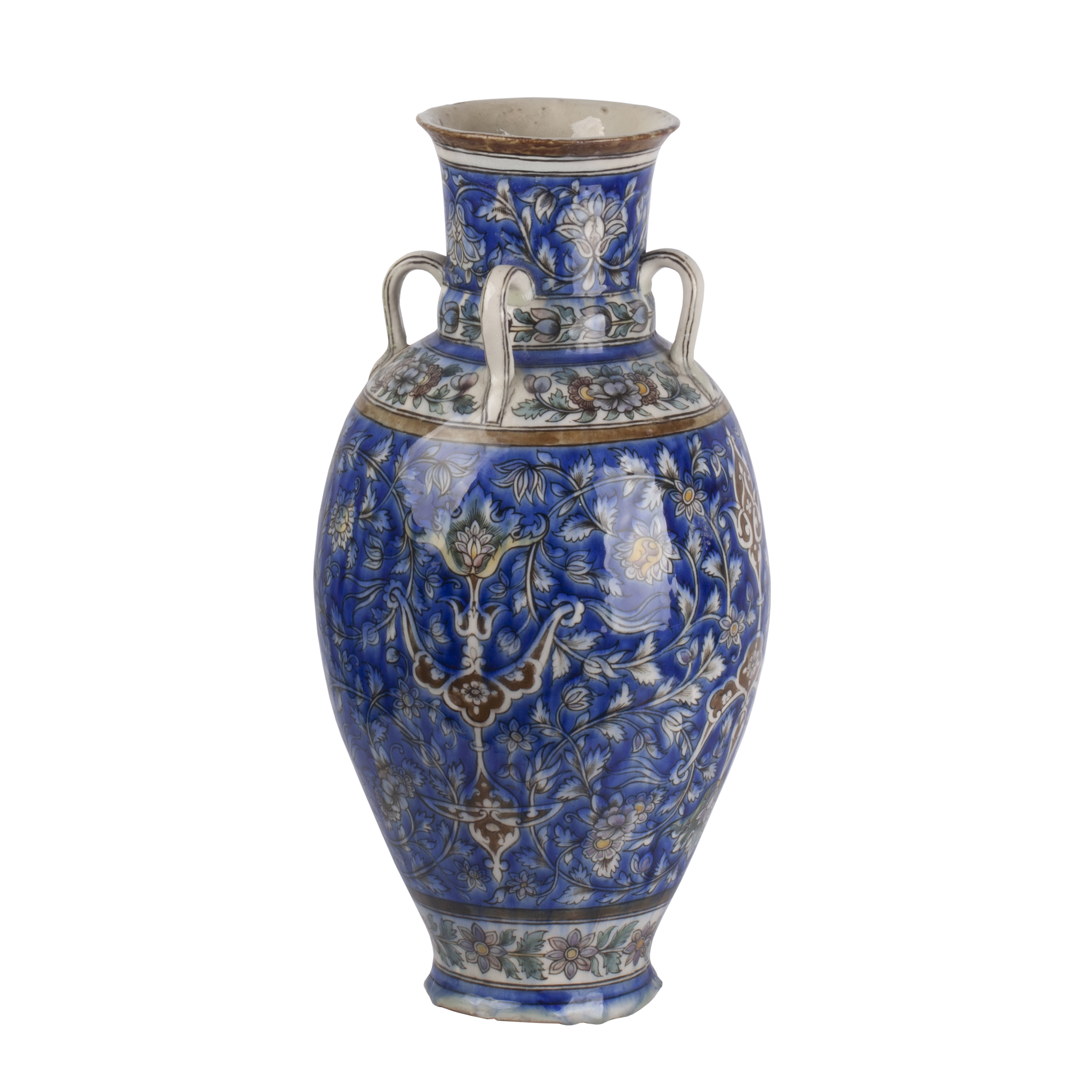
Lot 0162
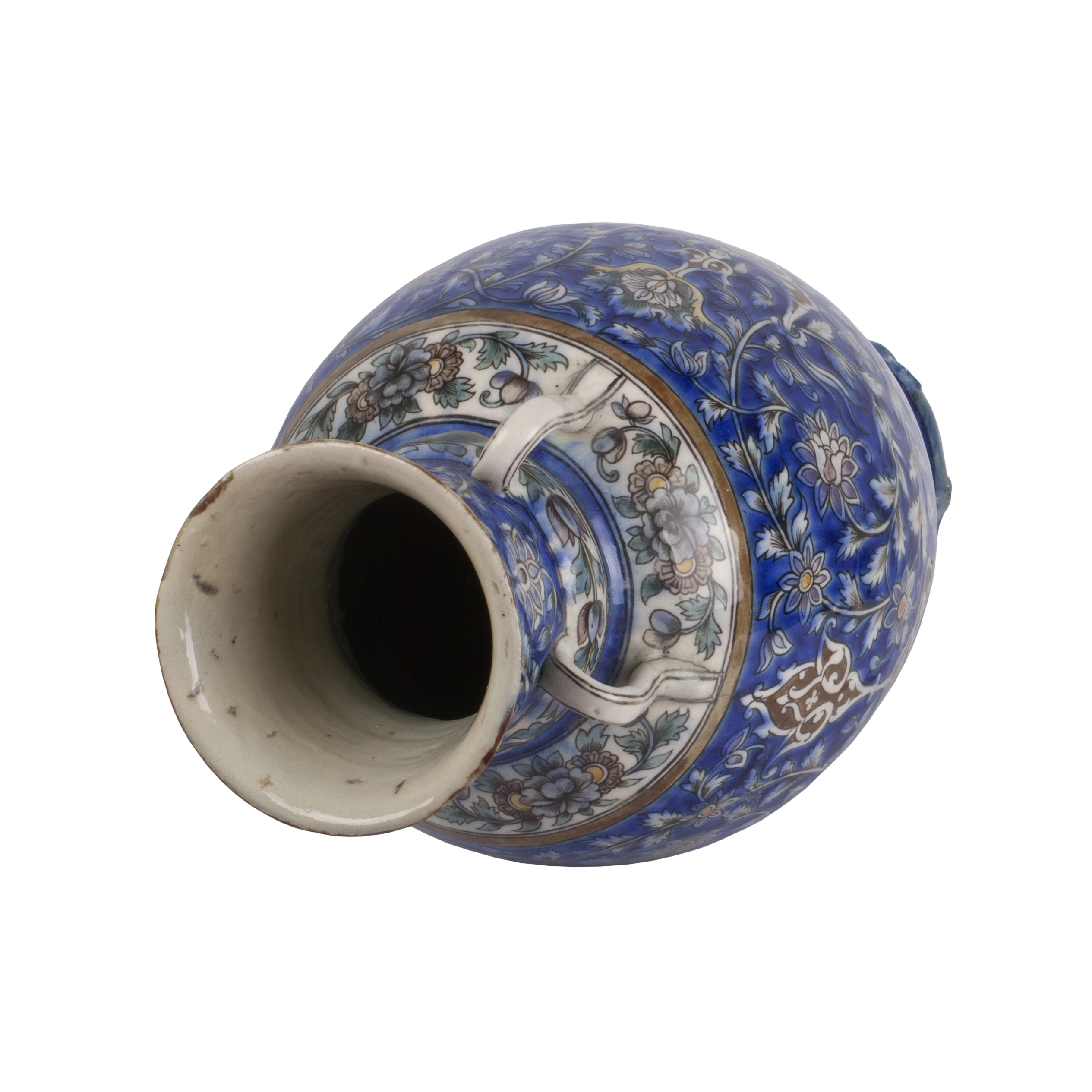
Large Qajar Underglaze-Painted Pottery Vase, Persia
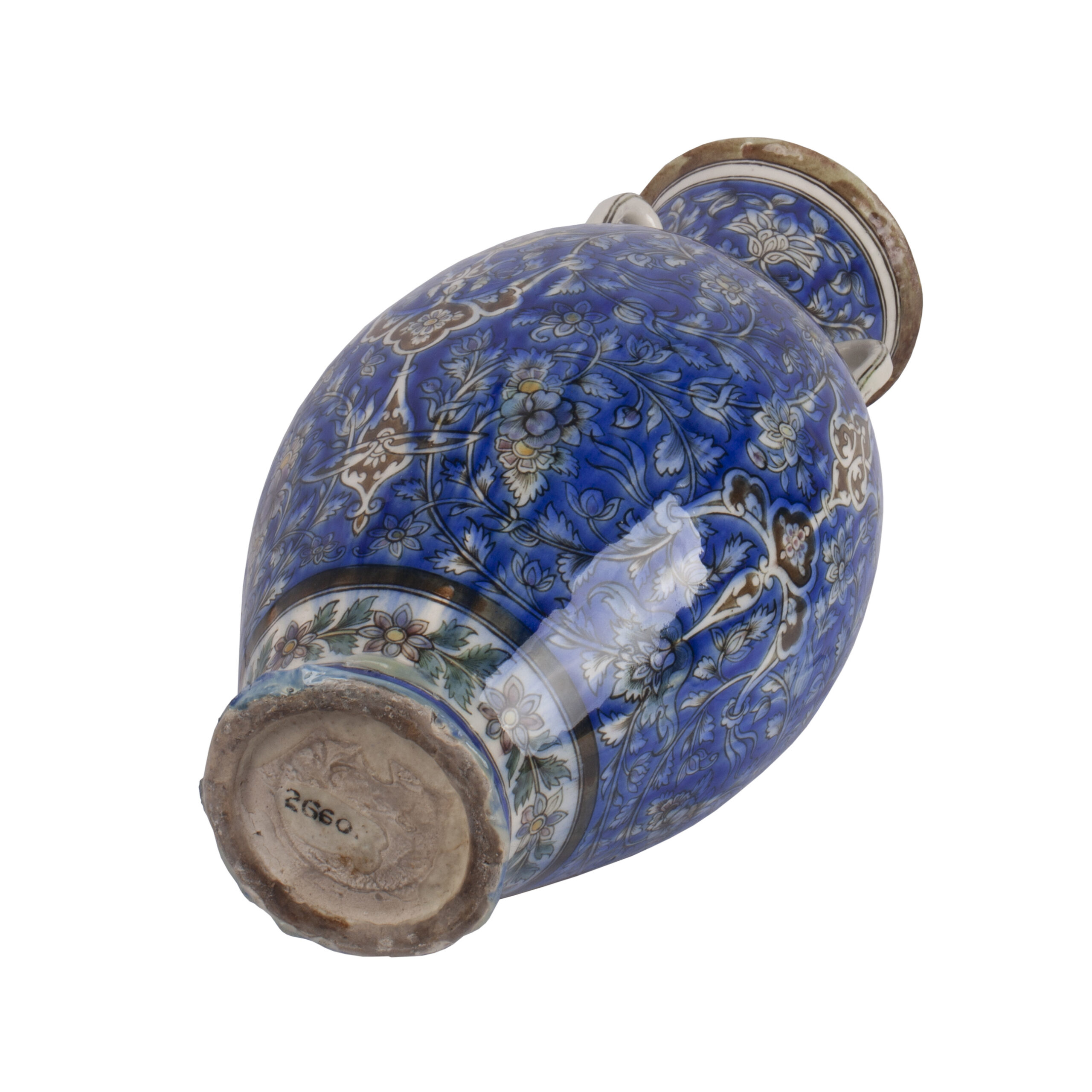
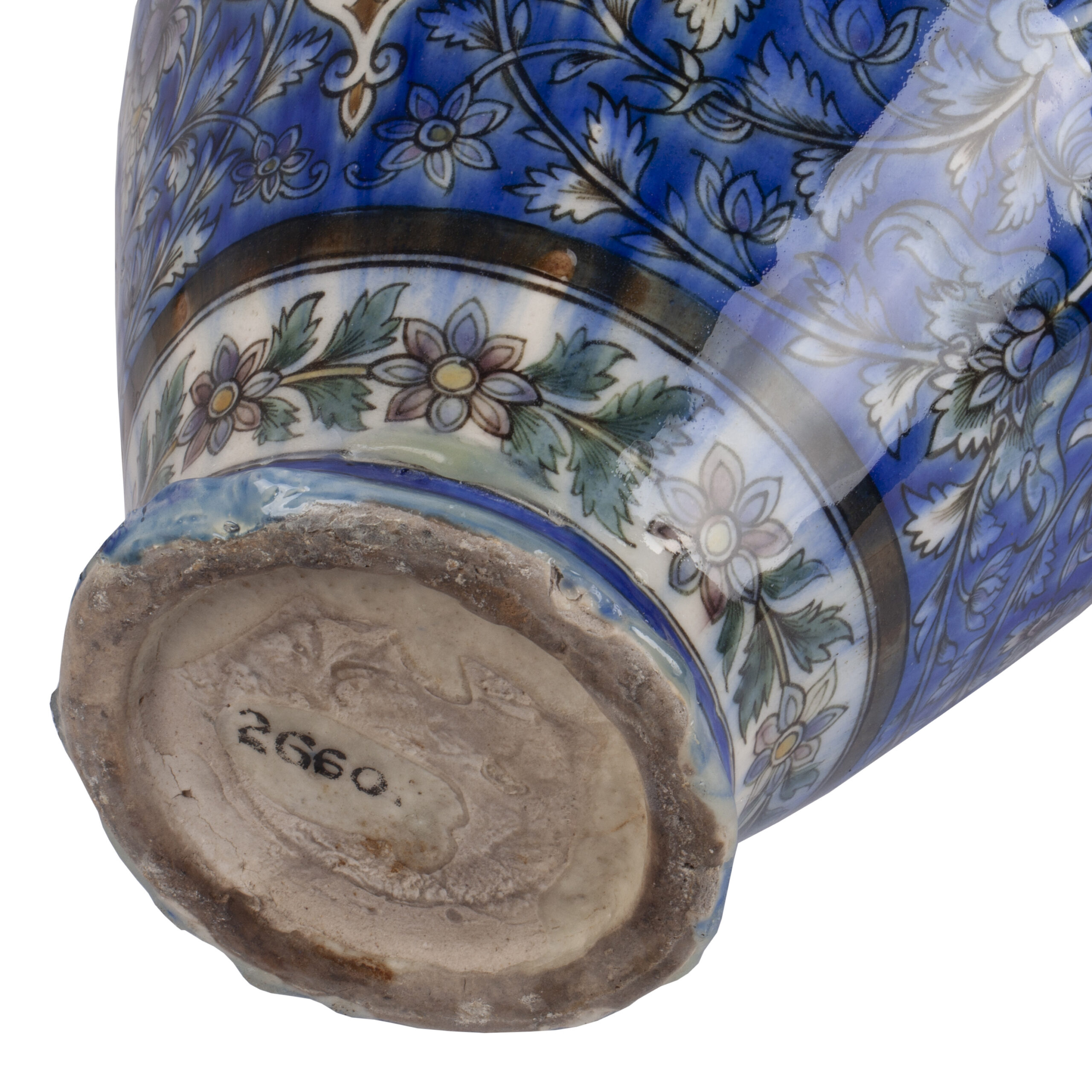
Estimate: 600-800€Large Qajar Underglaze-Painted Vase
Persia (Iran), Qajar dynasty, 19th century
Pottery (earthenware), polychrome underglaze painting with transparent glaze
Dimensions: height 50 cm
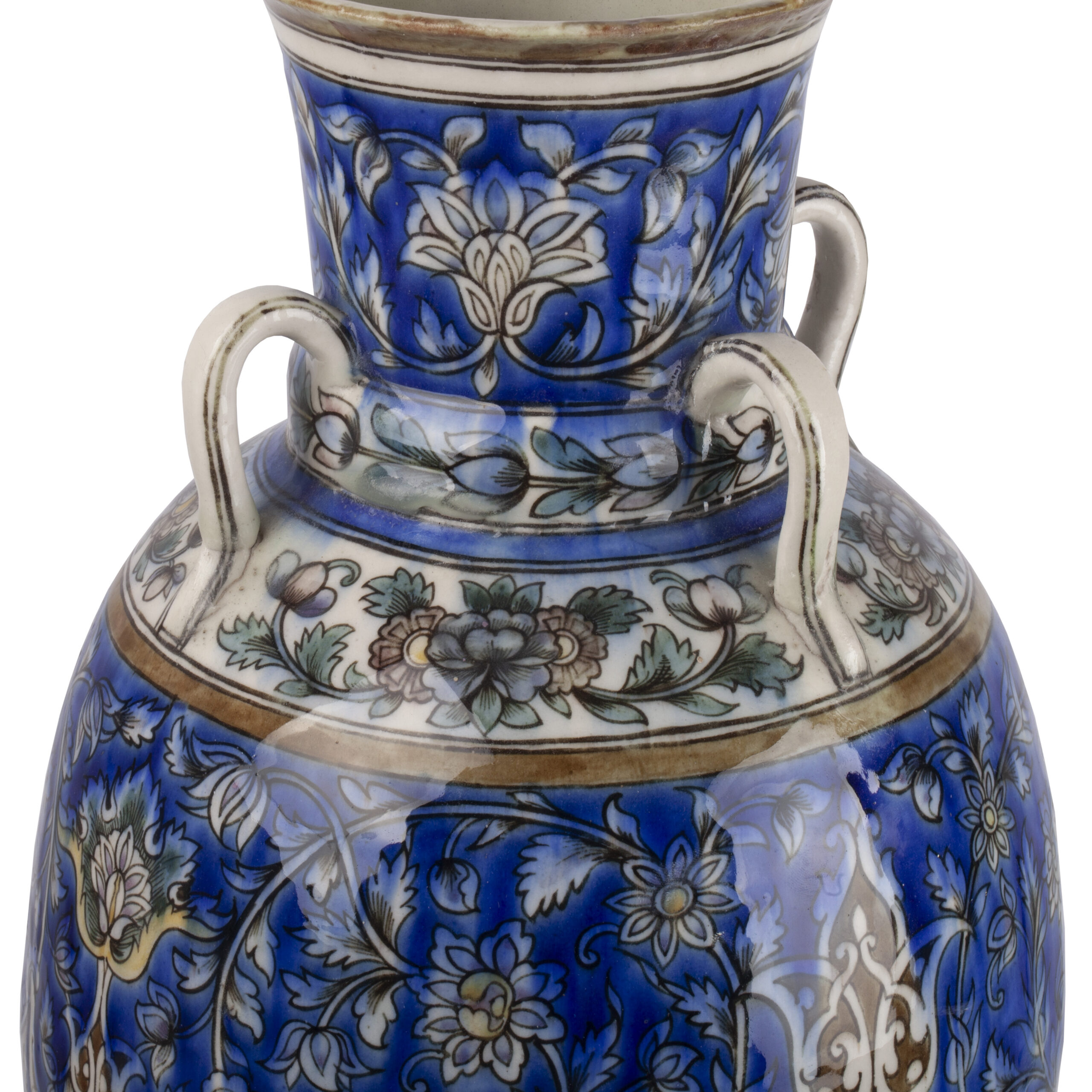
Marks: inventory number “2660” to baseTall piriform vase on a short foot, with a wide neck and everted rim; four strap handles join the shoulder to the neck. The body is richly painted under the glaze in cobalt blue, manganese, green and touches of yellow: scrolling foliate vines with rosettes and composite blossoms cover the main field, framed by floral bands at the shoulder and foot. Small cartouches punctuate the design, all outlined in dark slip to sharpen the detail.
The dense floral scrolls and deep cobalt ground are characteristic of Qajar ceramics, which revived earlier Safavid ornamental schemes while adopting a brighter, more graphic palette for large display pieces like this well-balanced example.Starting price: 400€
Estimate: 600-800€
Hammer Price: UNSOLD€ -
Lot 0163
Pair of Russian Porcelain Vases with a Floral Decoration by Gardner
Estimate: 1000-1200€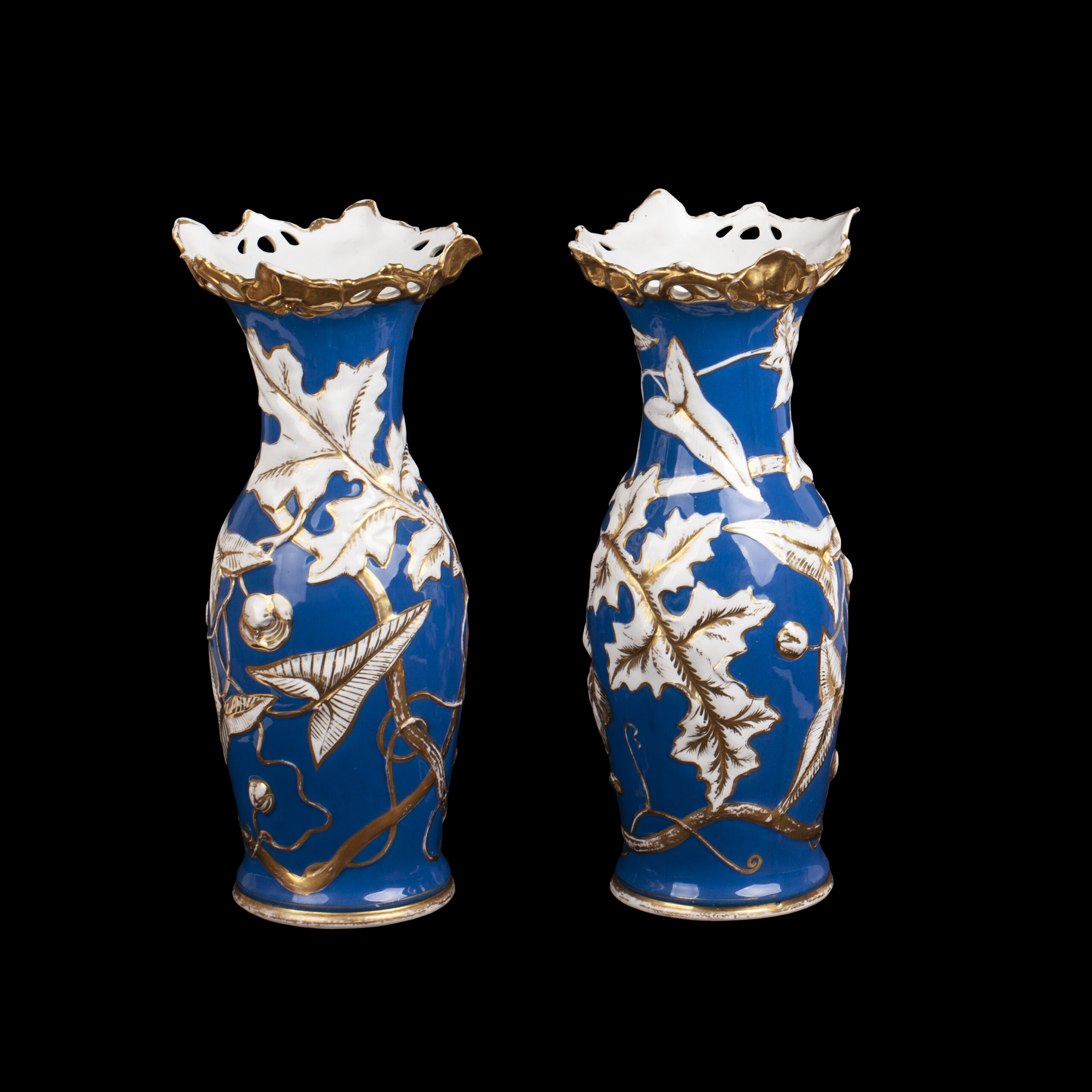
Lot 0163
Pair of Russian Porcelain Vases with a Floral Decoration by Gardner
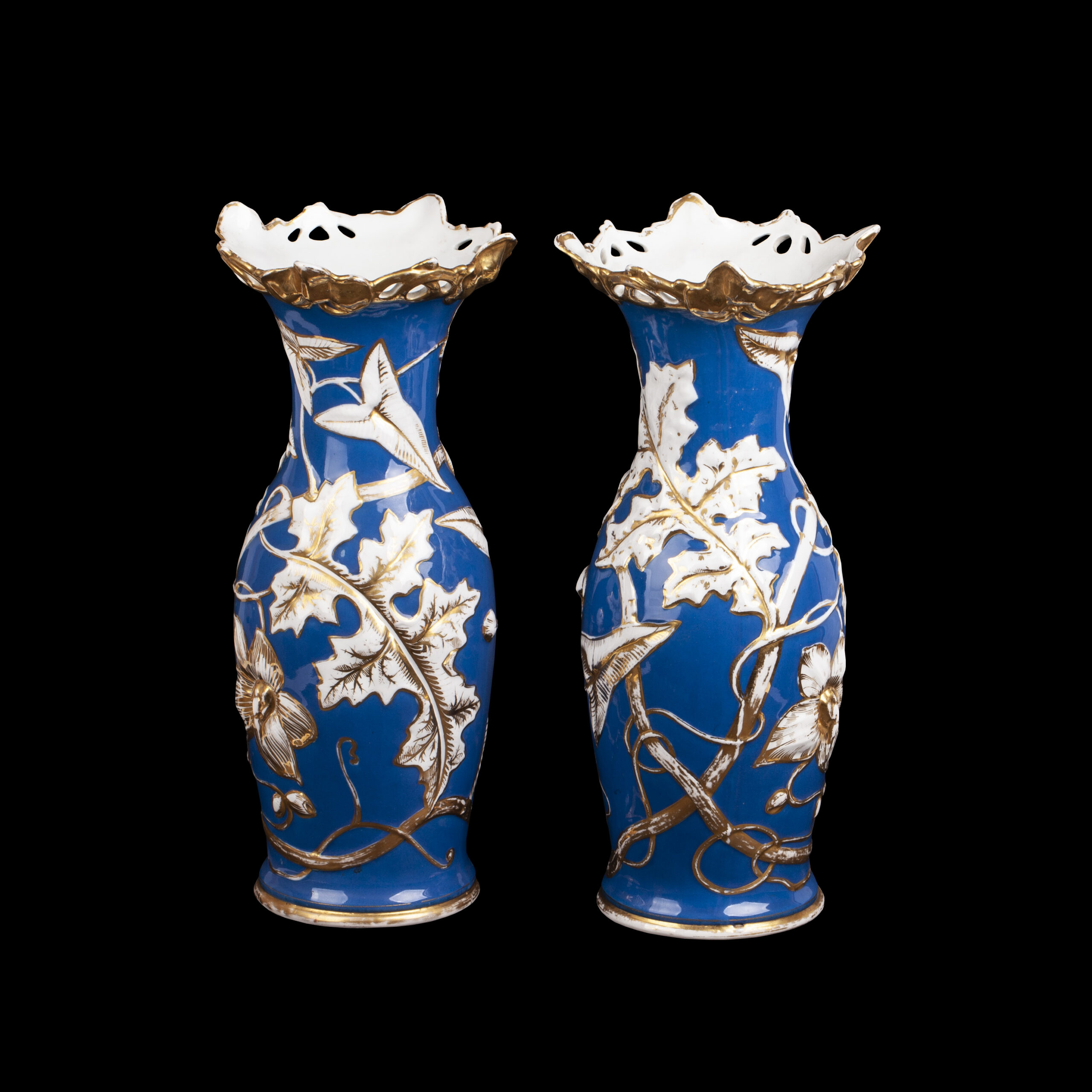
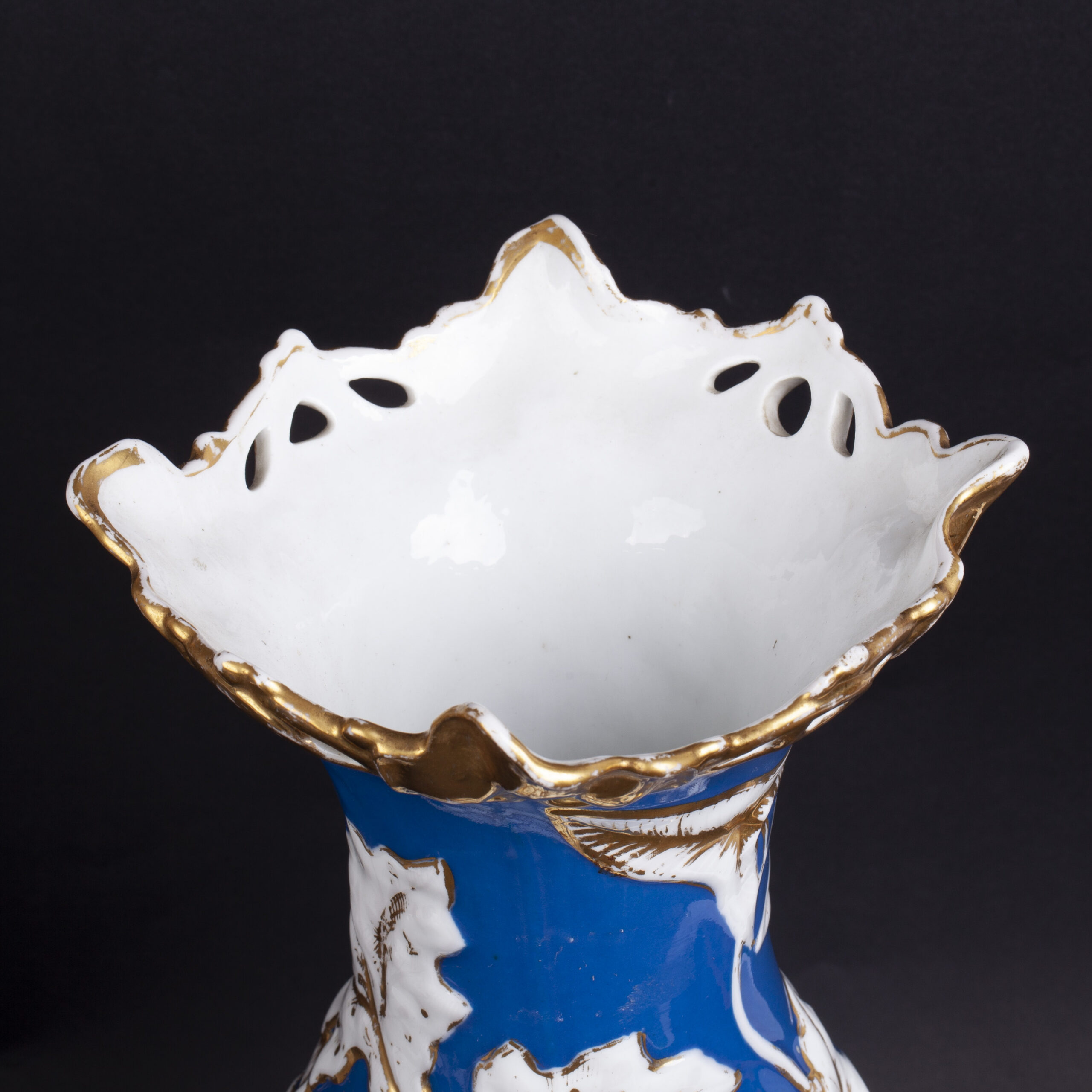
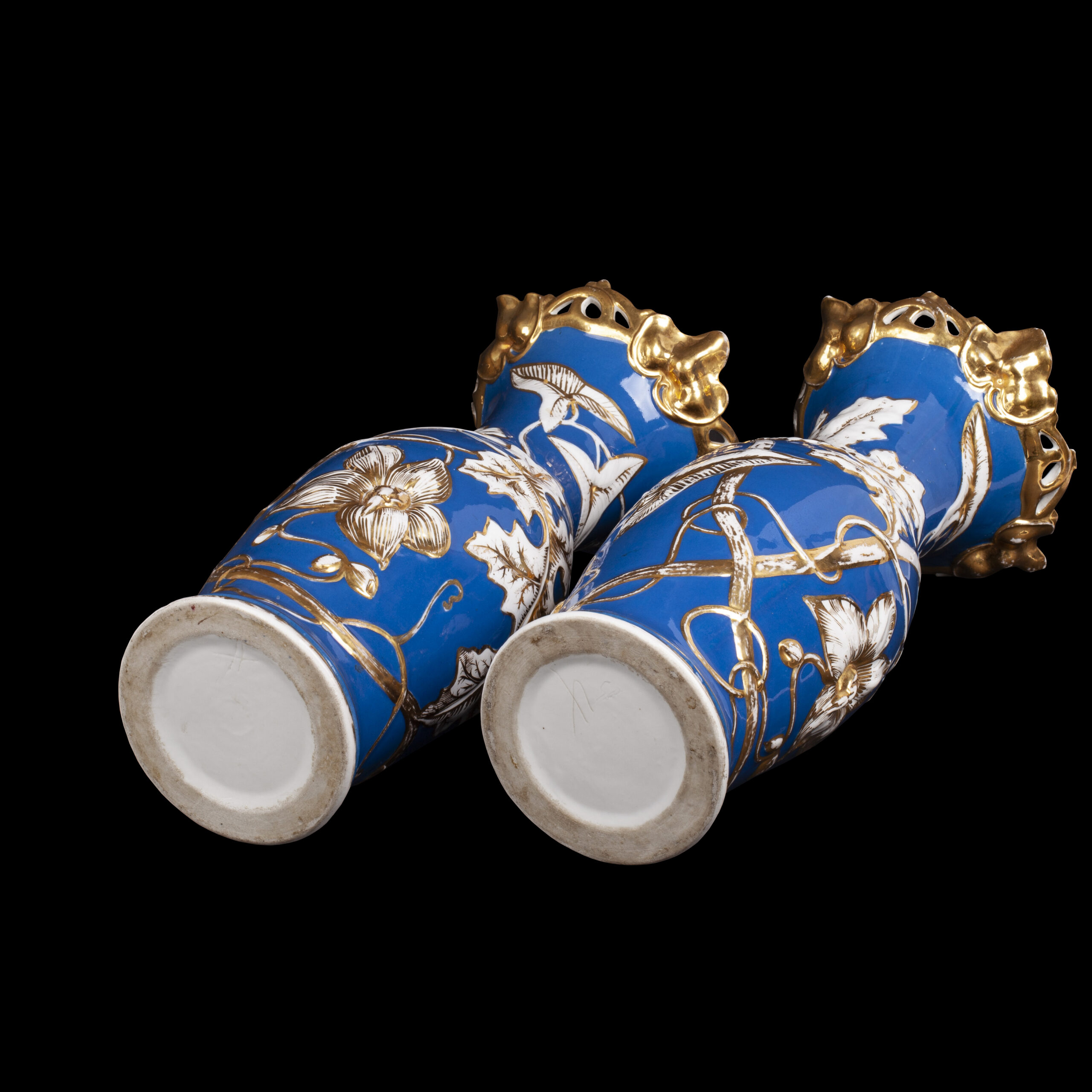
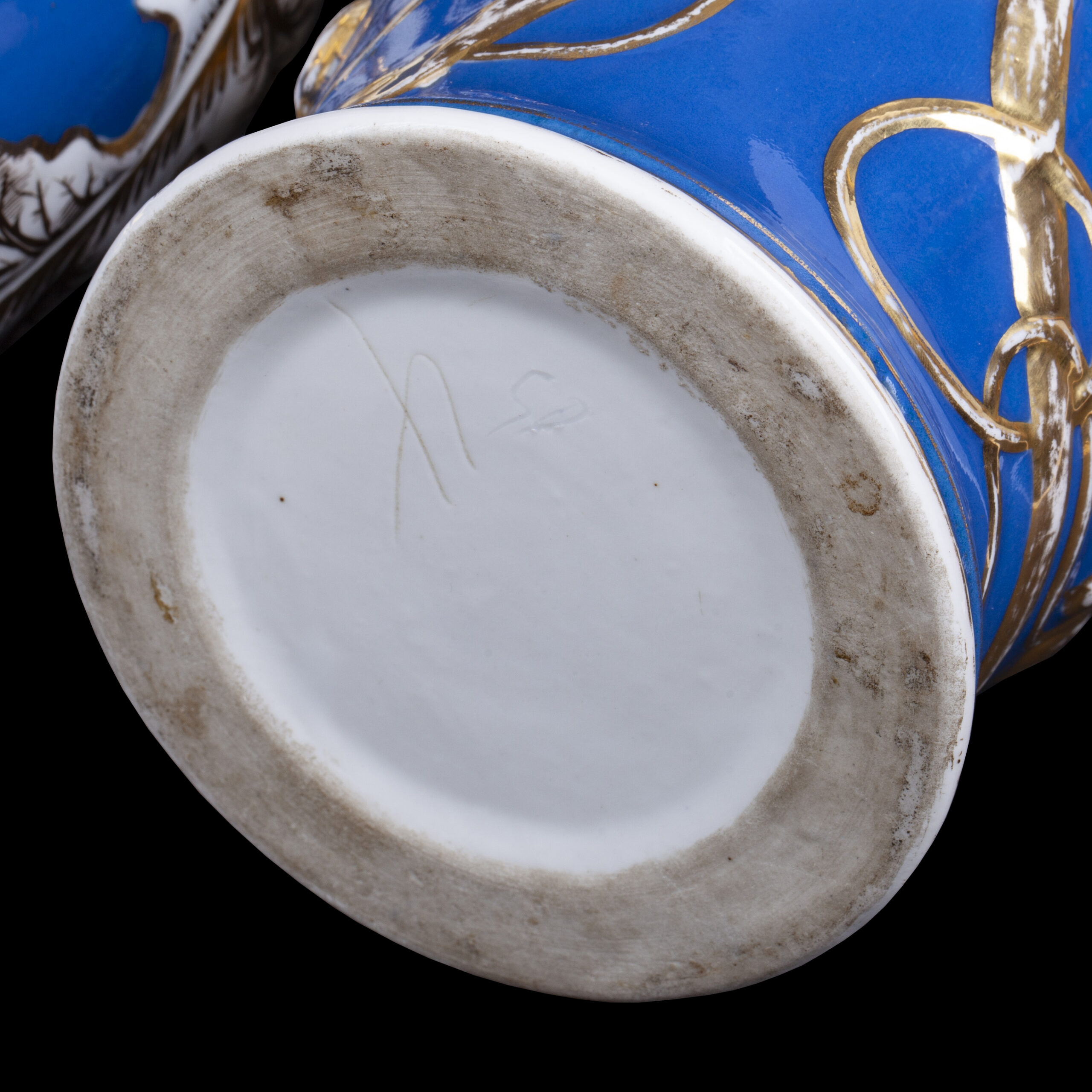
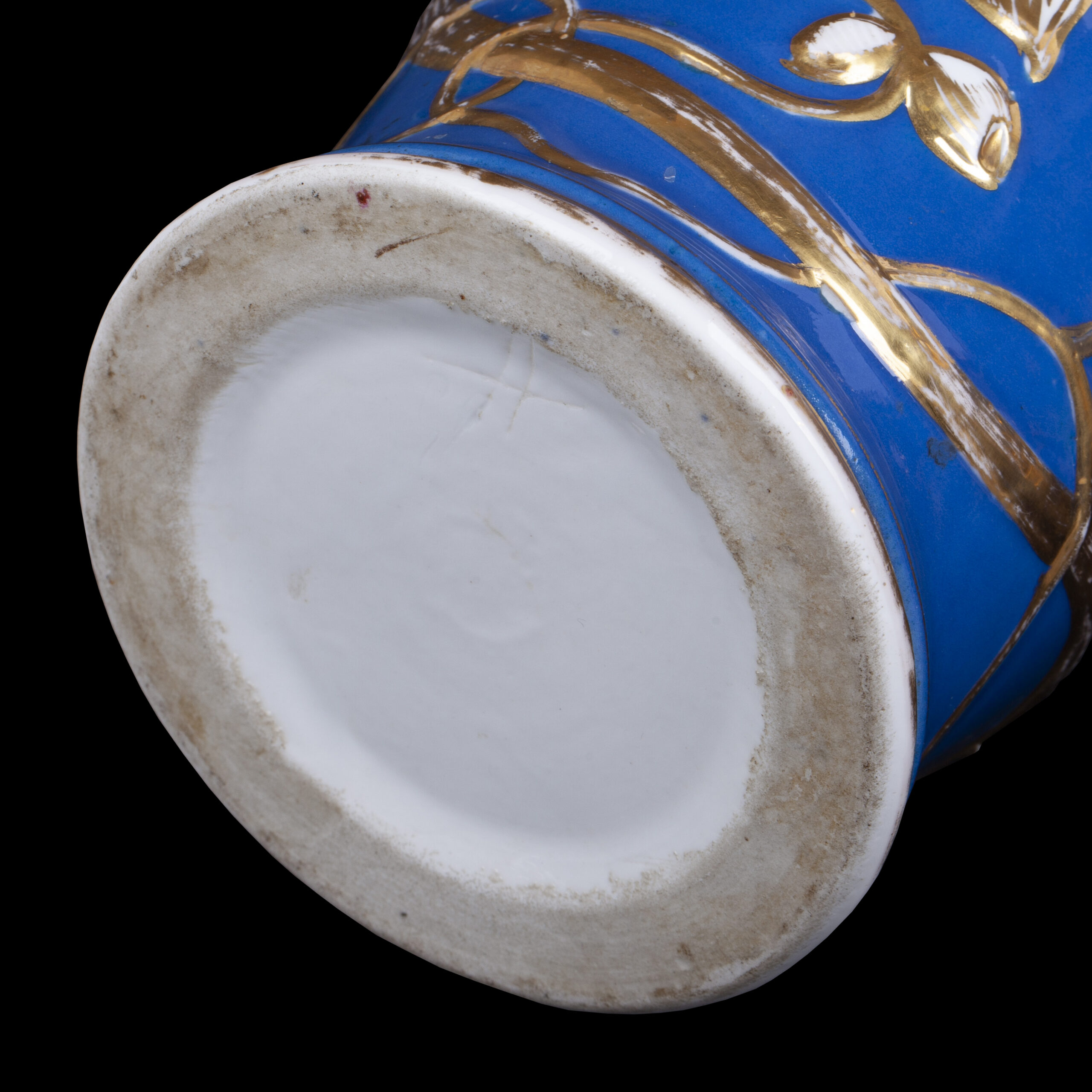
Estimate: 1000-1200€A pair of Russian porcelain vases with floral and botanical decoration, produced by the Gardner Manufactory, Verbilki, circa 1870.
Height: 37 cm.Each vase is crafted in elegant baluster form with a scalloped, openwork rim edged in gilding. The body is covered in a deep cobalt blue glaze, against which raised white and gold relief decorations of oak leaves, acorns, and intertwining branches stand out vividly.
The Gardner Porcelain Factory, founded in 1754 by Francis Gardner, an Englishman working in Russia, became one of the most renowned manufactories of the Empire. Over two centuries it produced masterpieces of porcelain art that graced imperial palaces and aristocratic collections across Europe.Famous for its custom-made services featuring family coats of arms, crowns, and monograms, the factory received special recognition from Empress Catherine II in 1785, who granted it the right to use the Moscow coat of arms on its mark. Later, in 1855, it earned the right to bear the Imperial State Emblem of Russia, a distinction given only to the finest manufactories of the period.
These vases exemplify the refinement, craftsmanship, and artistic sophistication of Gardner porcelain in the high historicist style popular during the reign of Alexander II.
Starting price: 800€
Estimate: 1000-1200€
Hammer Price: UNSOLD€