
Lot 0196
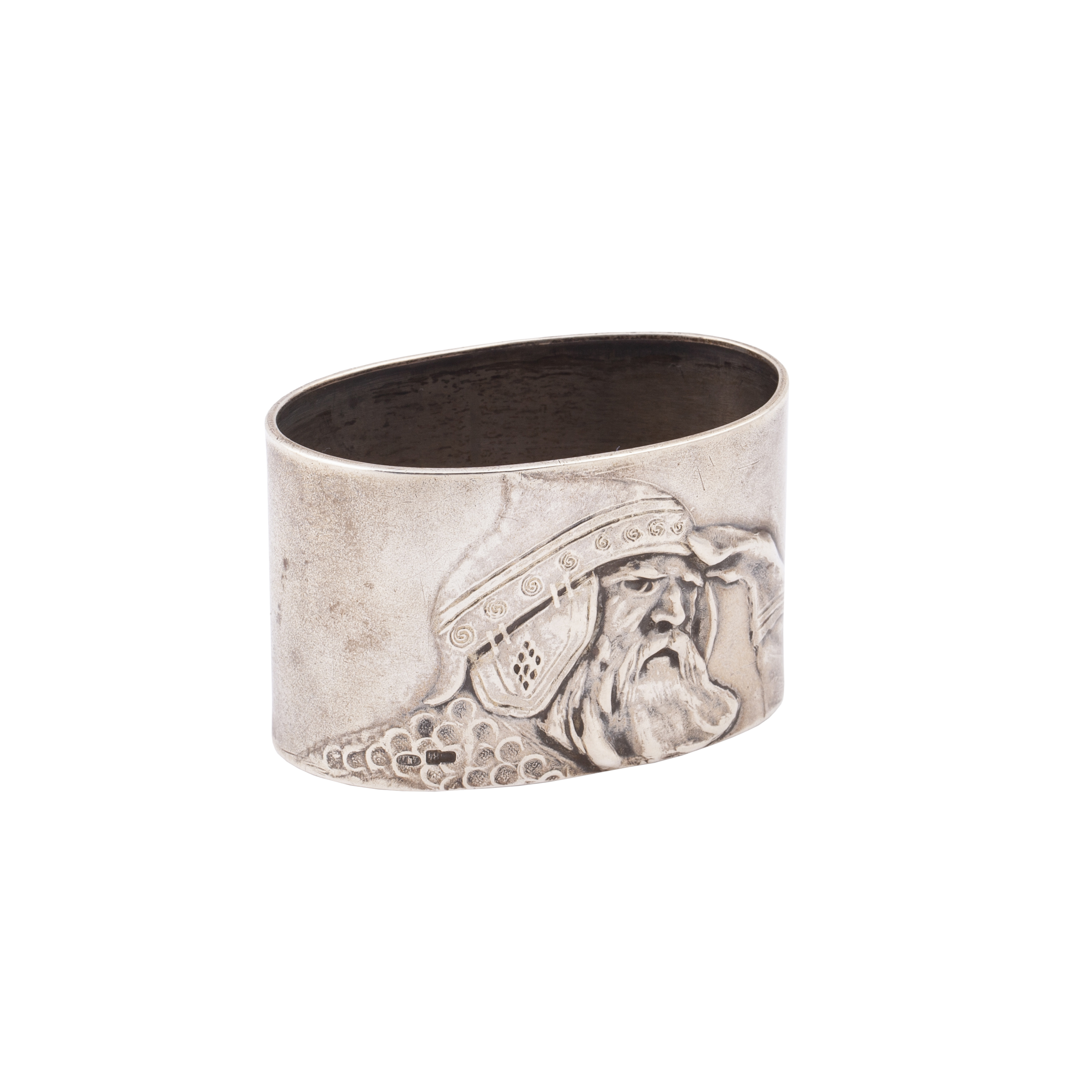
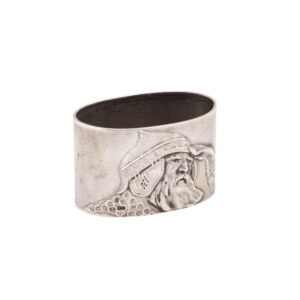
Russian Cast Silver Napkin Ring from the “Bogatyr Outpost” Series, Moscow, 1908–1917
Estimate: 250-300€
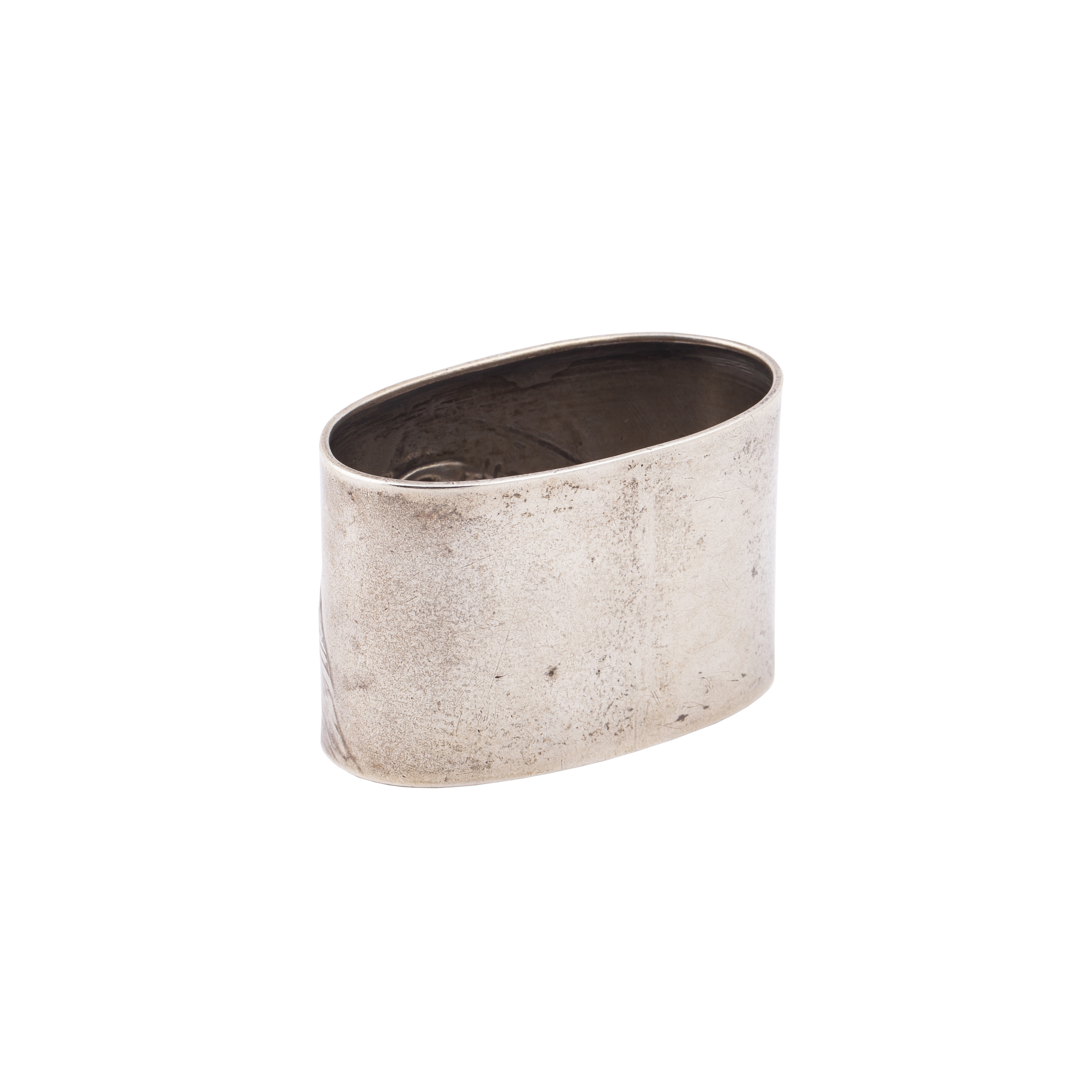
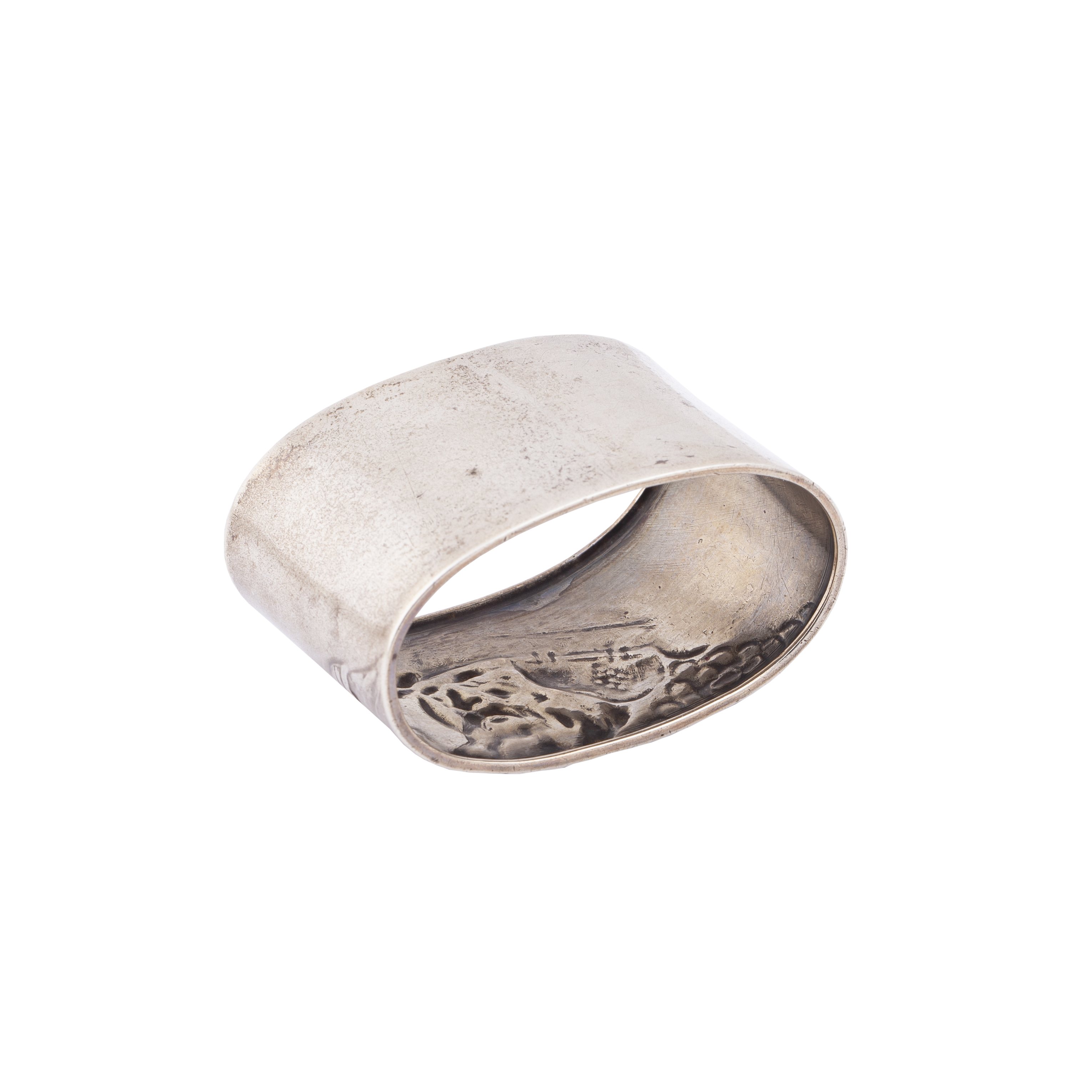
A Russian Cast Silver Napkin Ring from the “Bogatyr Outpost” Series
Moscow, maker’s mark of Mikhail Tarasov, 1908-1917.
Silver; casting, repoussé, chasing, engraving, patination.
Dimensions: 3.7 × 6 × 3.5 cm.
Weight: 32.5 g.
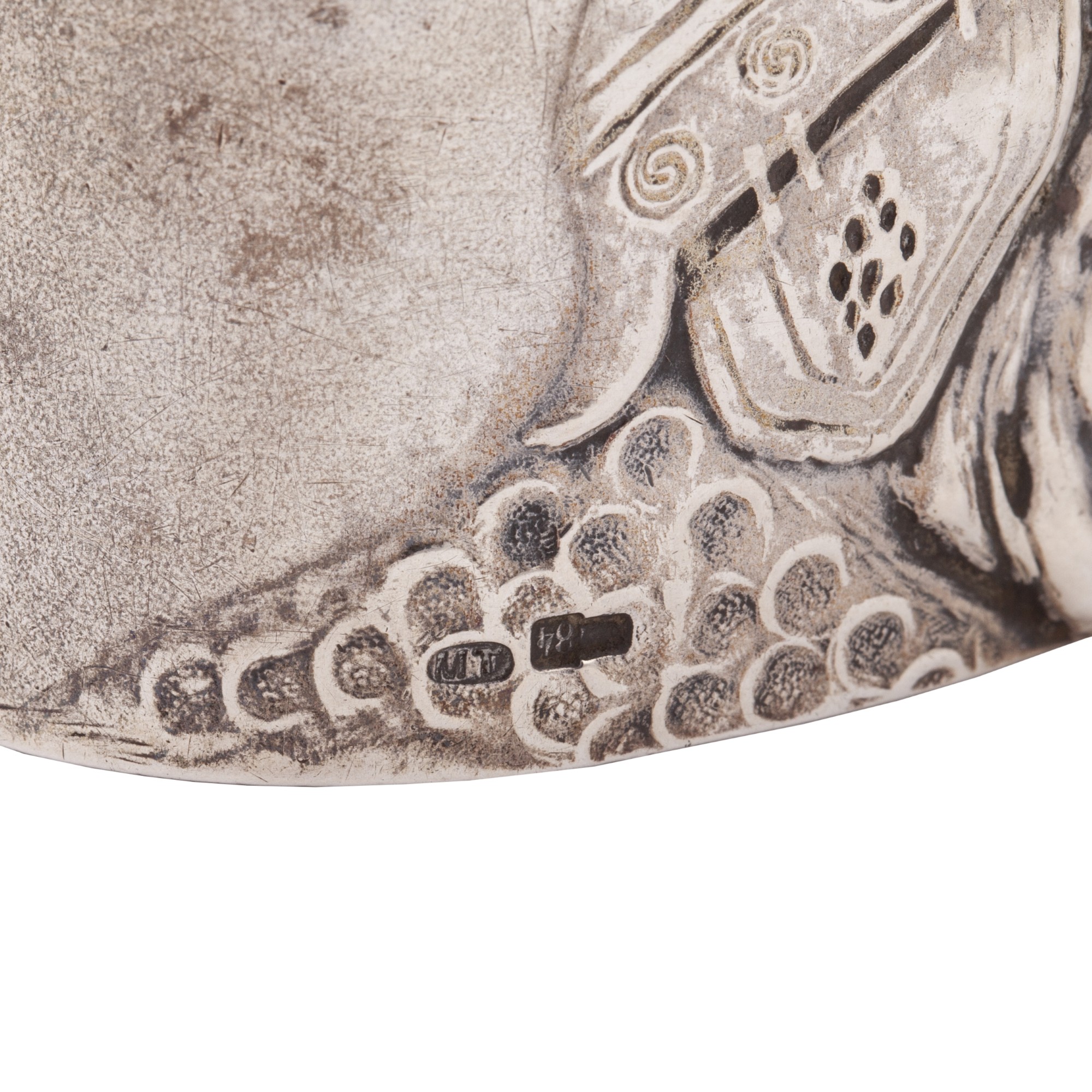
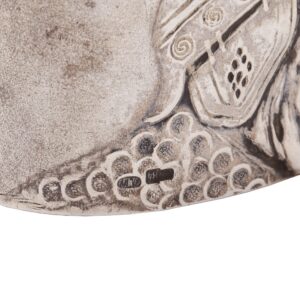
Marks: maker’s mark of M. Tarasov; Moscow assay mark; 84 zolotniki silver standard.
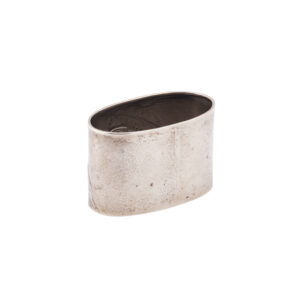
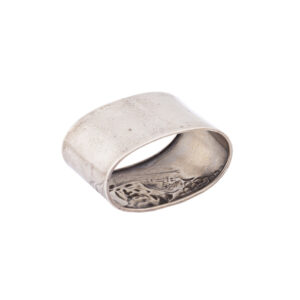
A Russian cast silver napkin ring of oval form, decorated with a relief composition from the popular late Imperial series known as “Bogatyr Outpost”. The principal scene shows the head of an ancient Russian warrior in helmet and armour, rendered in bold repoussé with darkened recesses and a softly patinated surface. The warrior’s grave expression, heavy beard and stylised helmet evoke the heroic imagery of medieval Rus’ and the world of the bylina epic.
The decoration belongs to the national-romantic current in Russian decorative art of the late nineteenth and early twentieth century.
Mikhail Yakovlevich Tarasov was a Moscow maker of gold and silver objects, known in the first decades of the twentieth century. His workshop produced articles of personal use, tableware, filigree and chased silver. By 1912 he is recorded as the owner of a factory for gold and silver wares. Tarasov’s silver objects are distinguished by their expressive national style, strong relief modelling and original ornamental design.
Starting price: 200€
Estimate: 250-300€
Hammer Price: 275 €
Related Lots
-
Lot 0198
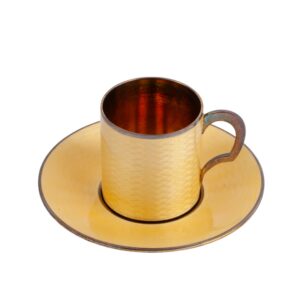
Russian Silver-Gilt Vodka Cup with Saucer and Guilloché Enamel, Grachev Brothers, St Petersburg, 1908–1917
Estimate: 1500-1700€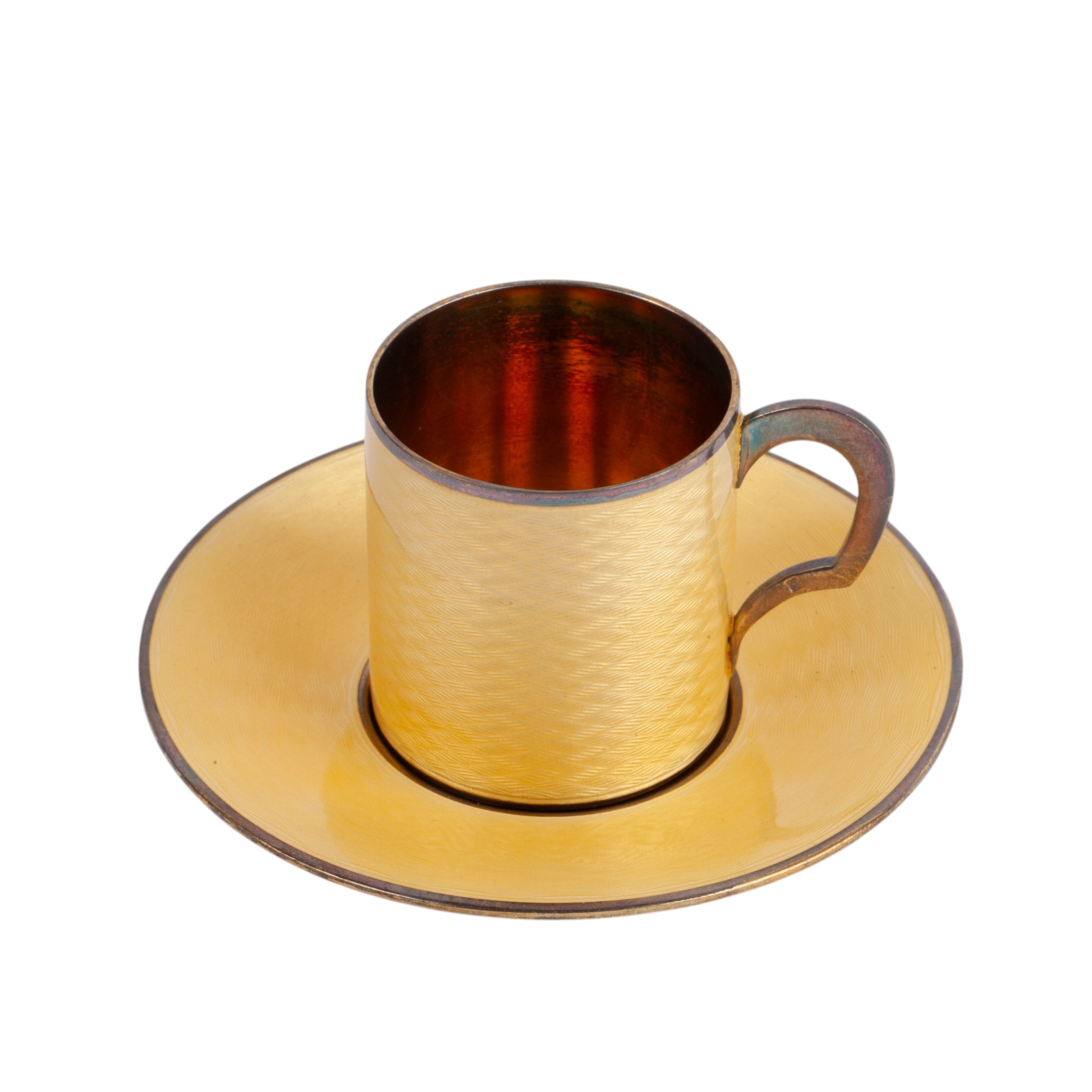
Lot 0198
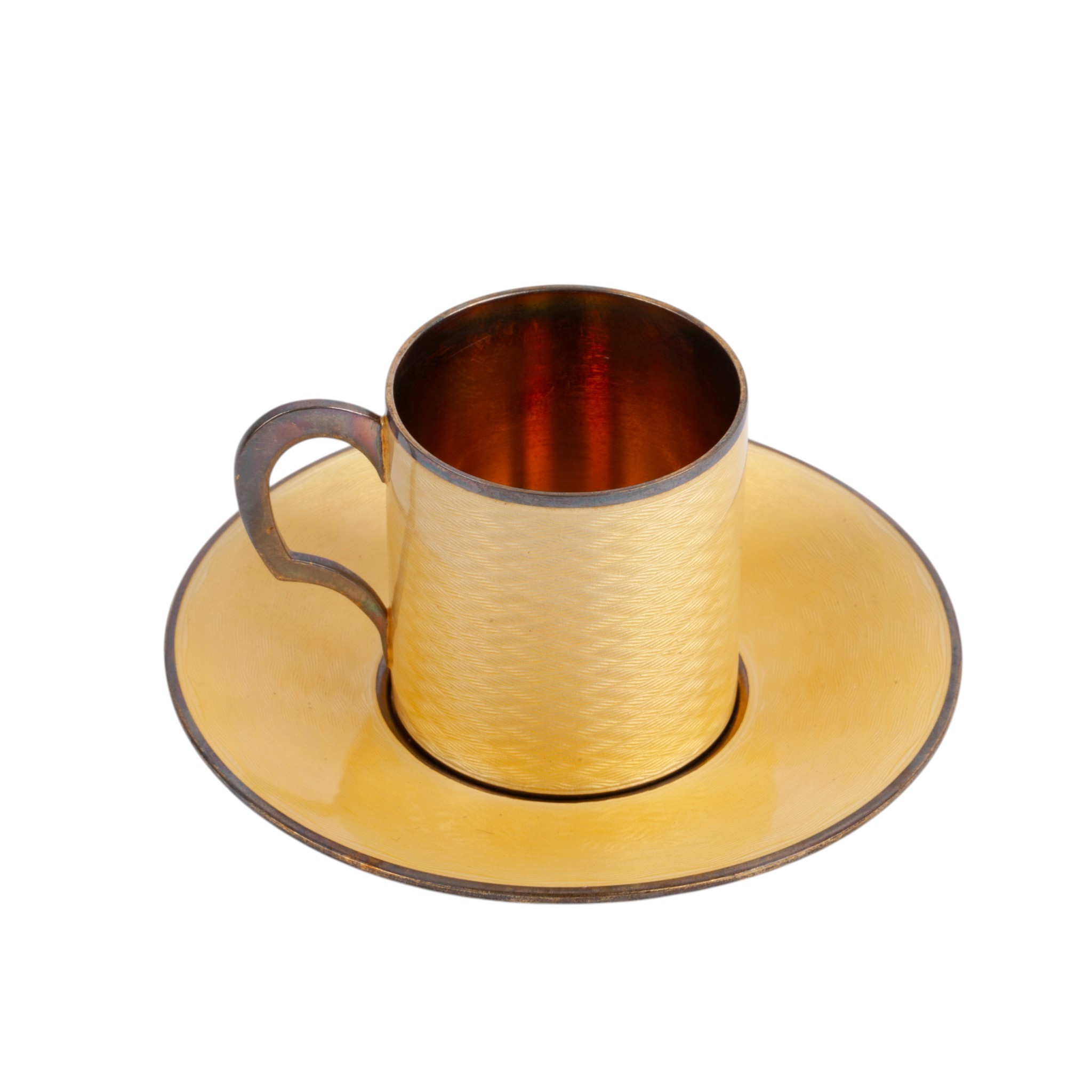
Russian Silver-Gilt Vodka Cup with Saucer and Guilloché Enamel, Grachev Brothers, St Petersburg, 1908–1917
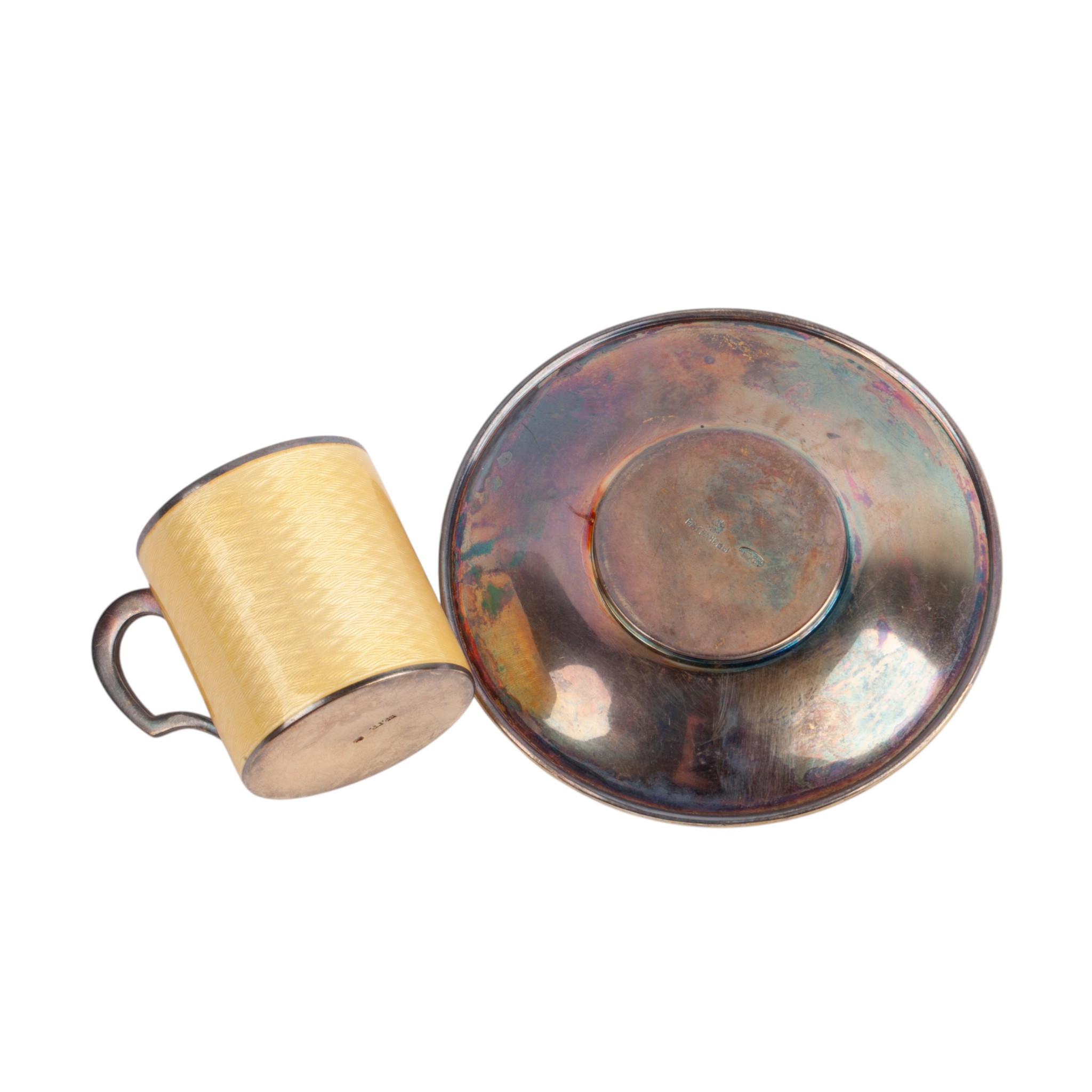
Estimate: 1500-1700€A Russian silver-gilt vodka cup on stand with guilloché enamel St Petersburg, Grachev Brothers manufactory, 1908-1917.
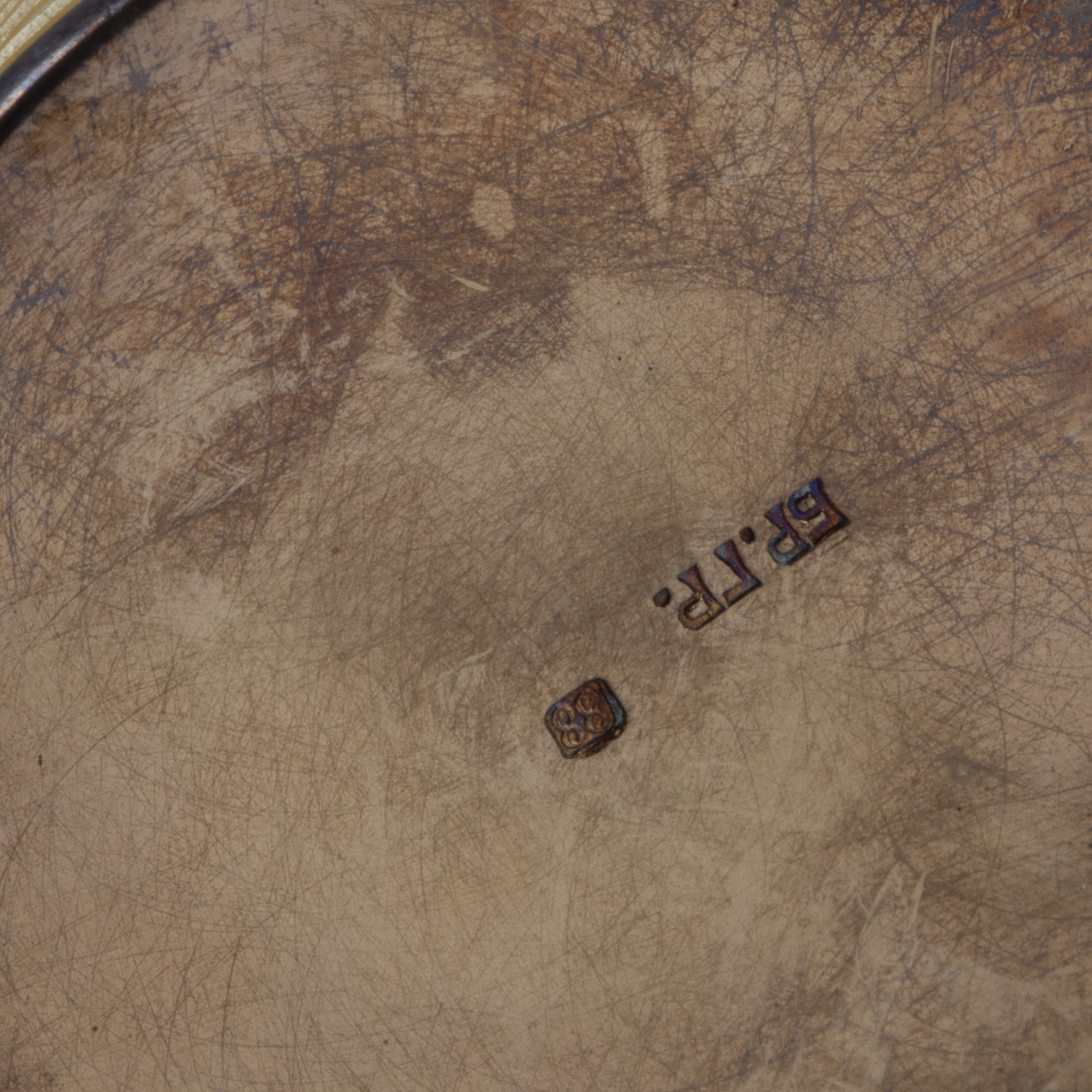
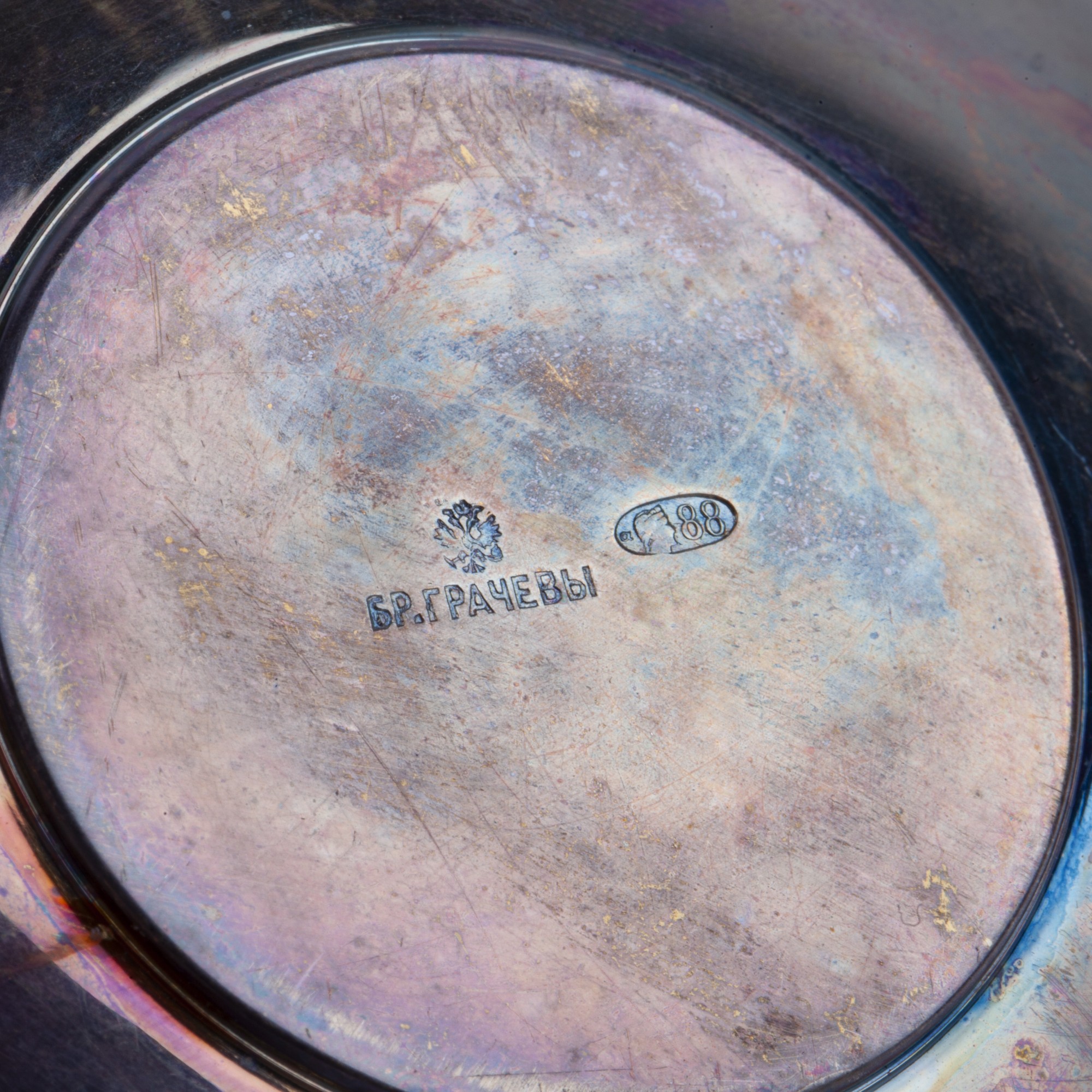
Silver, gilding, guilloché enamel. Marked: firm’s mark Br. Gr& 88 standard; assay mark of St.Petersburg. Weight: 64,1 g. Dimensions of the cup: 3,6 x 5,1 x 3,5 cm. Diameter of the saucer plate: 8 cm.A refined Russian silver-gilt vodka cup with matching plate in the form of tea pair. Both enriched with translucent guilloché enamel over an engine-turned ground. The cup is of slightly tapering cylindrical form with a plain loop handle, while the plate circular echoes its restrained geometry and understated elegance. The luminous lemon-yellow enamel, laid over a finely waved guilloché surface, creates a soft moiré effect that animates the object with subtle movement and depth.
The ensemble was produced by the celebrated St Petersburg firm of the Brothers Grachev, among the leading Russian silver manufacturers of the late Imperial era. Founded in 1866 by Gavriil Petrovich Grachev, the enterprise was subsequently managed by his sons Mikhail, Simon, and Grigory. In 1892 the firm received the distinction of Supplier to the Imperial Court, a title renewed in 1901. Although particularly admired for works in the Russian Revival style, the Grachev workshop also created table silver of refined historicist and early modern character, distinguished by exceptional technical precision and a sophisticated command of enamelling.
This cup and stand belong to the sphere of intimate luxury tableware produced for an affluent urban clientele in the final years of Imperial Russia. Their restrained silhouette, monochrome brilliance, and finely controlled enamel surface exemplify the discreet elegance of St Petersburg silver at the beginning of the 20th century.Starting price: 1200€
Estimate: 1500-1700€
Hammer Price: Not sold -
Lot 0197
Russian Silver-Gilt Vodka Cup with Saucer and Guilloché Enamel, Grachev Brothers, St Petersburg, 1908–1917
Estimate: 1500-1700€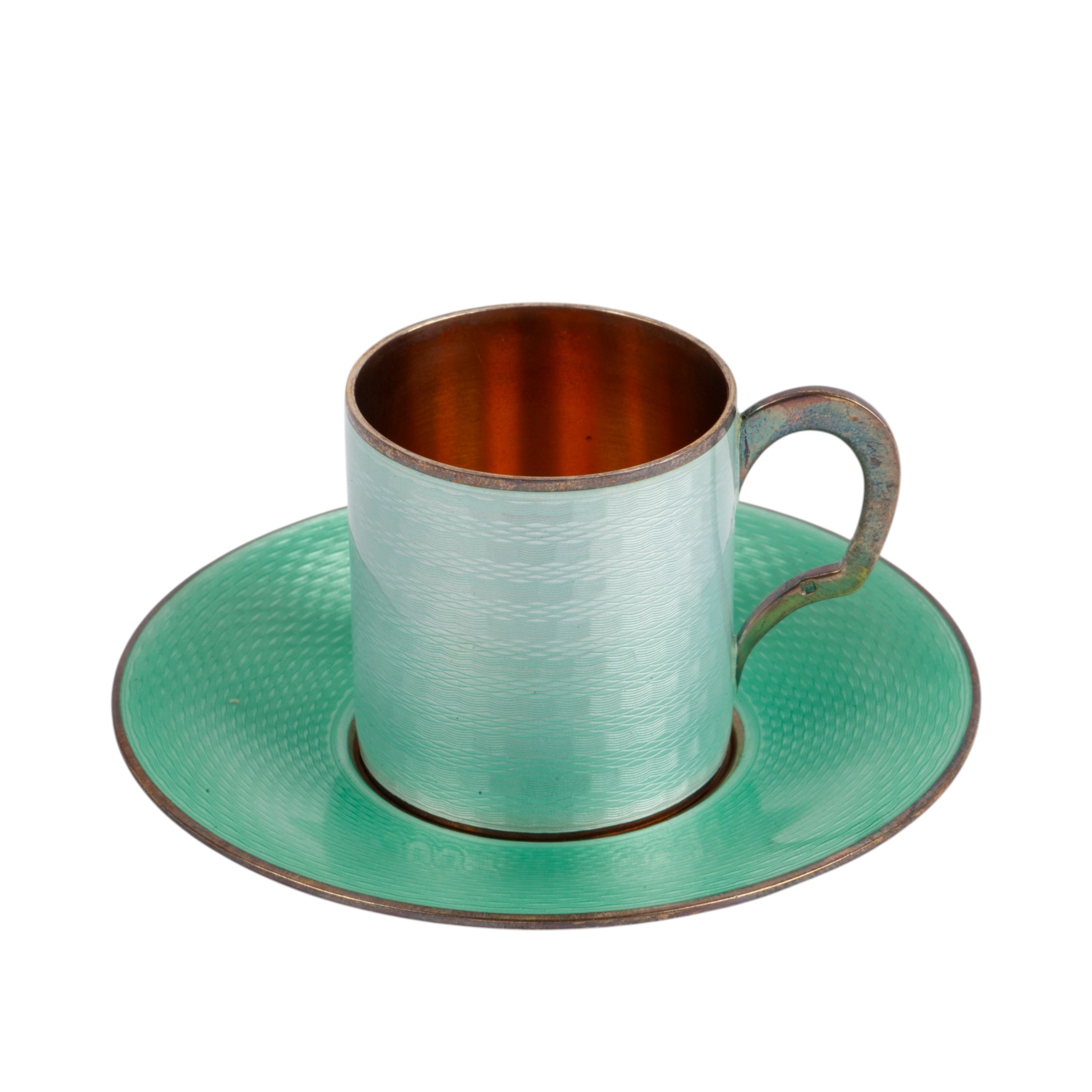
Lot 0197
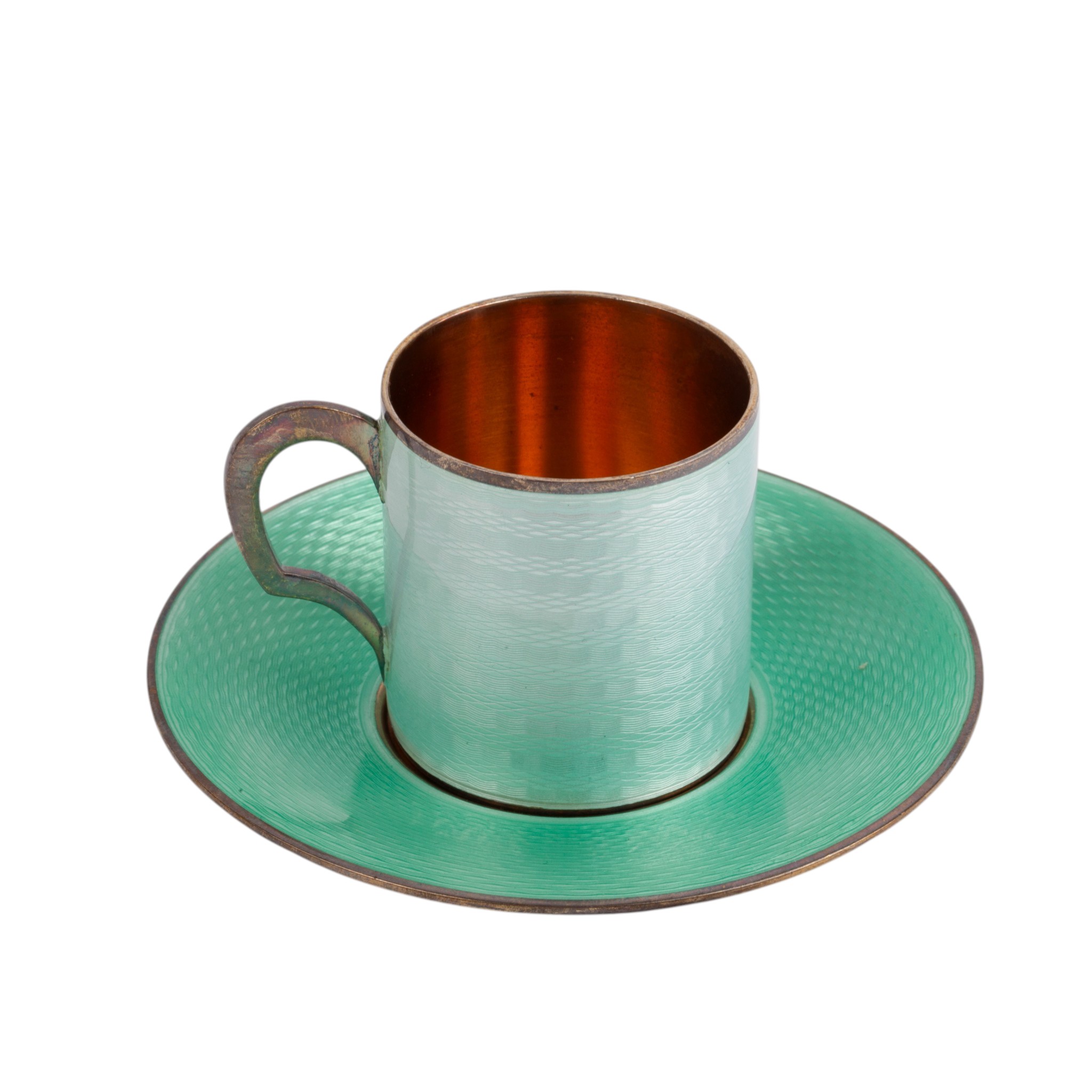
Russian Silver-Gilt Vodka Cup with Saucer and Guilloché Enamel, Grachev Brothers, St Petersburg, 1908–1917
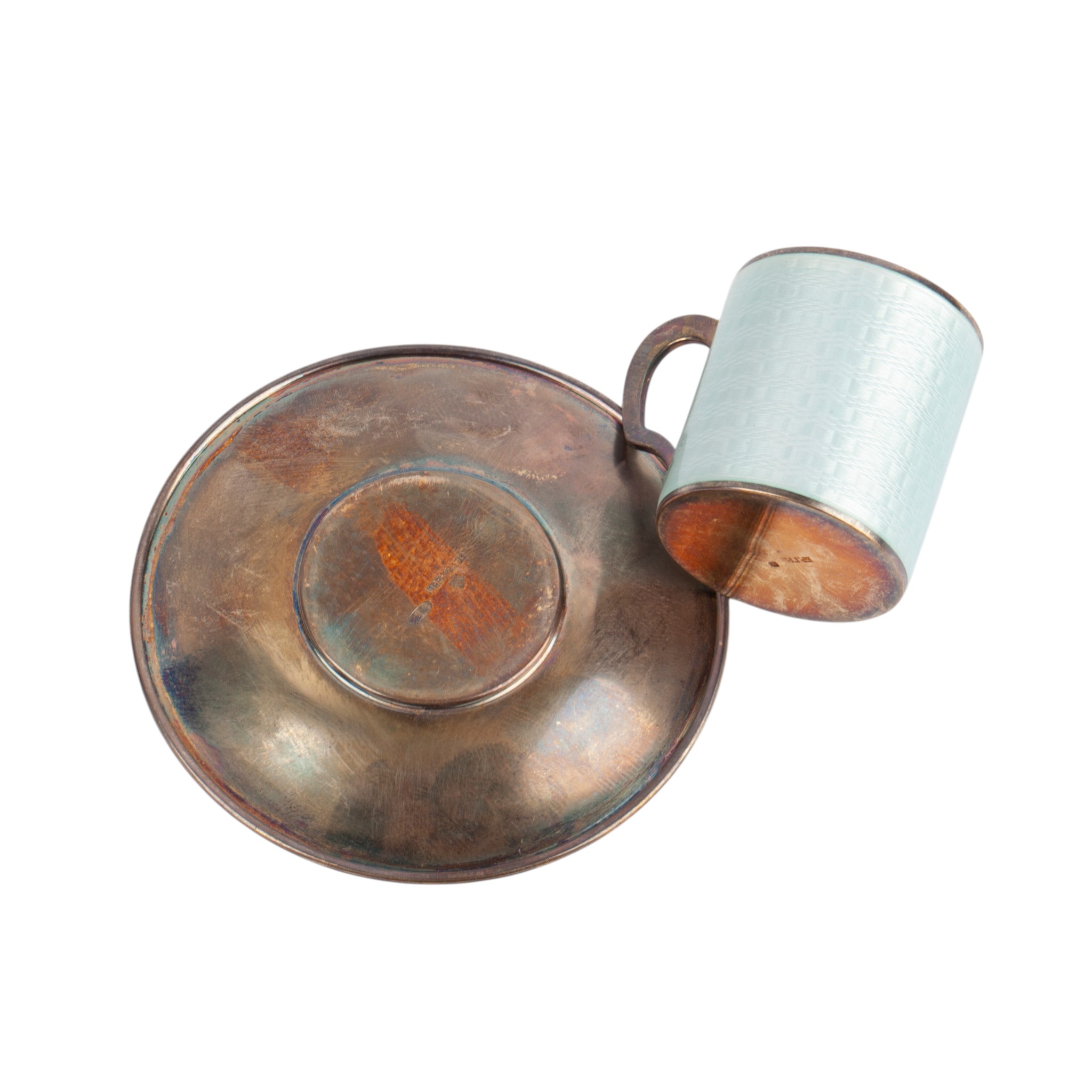
Estimate: 1500-1700€A Russian silver-gilt vodka cup on stand with guilloché enamel St Petersburg, Grachev Brothers manufactory, 1908-1917.
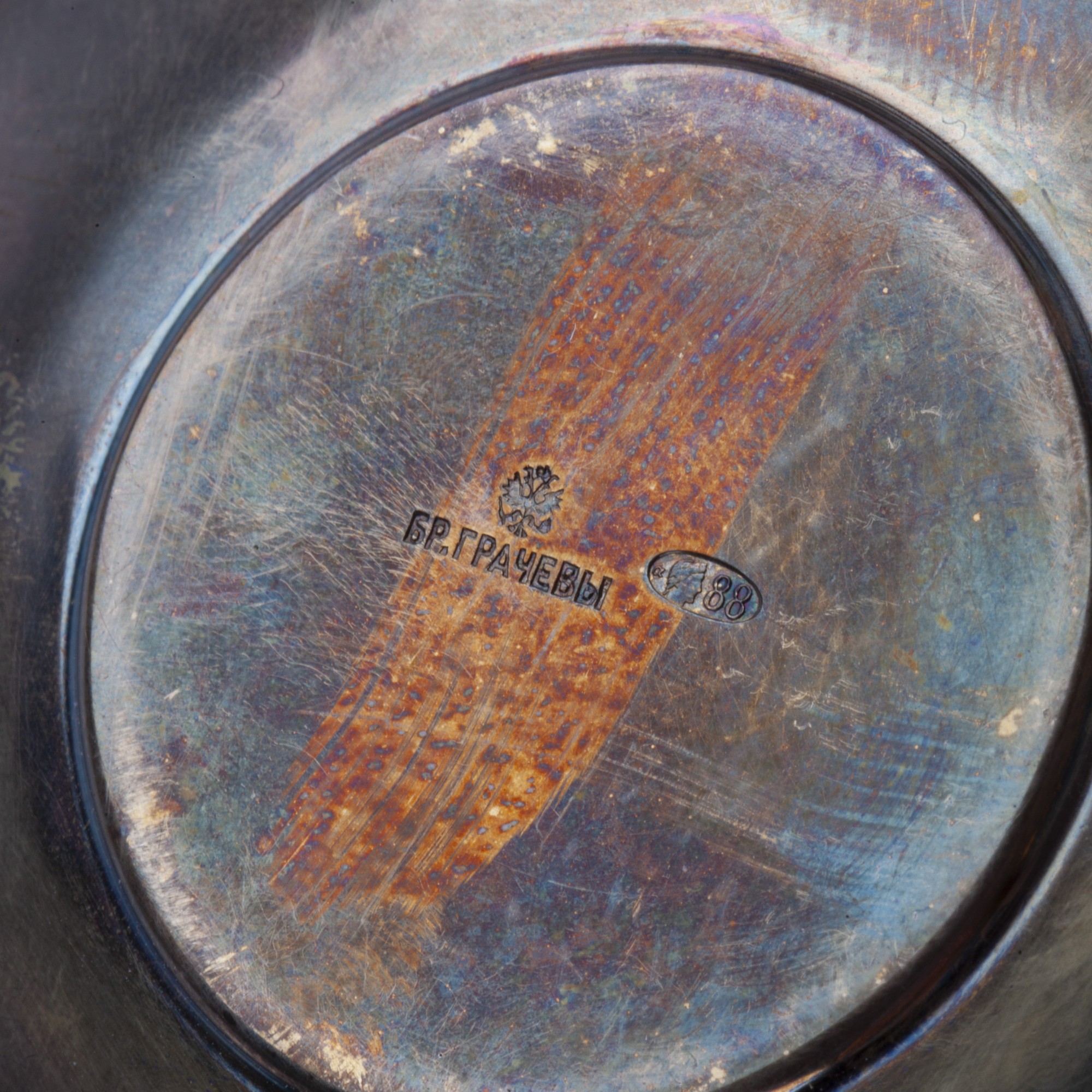
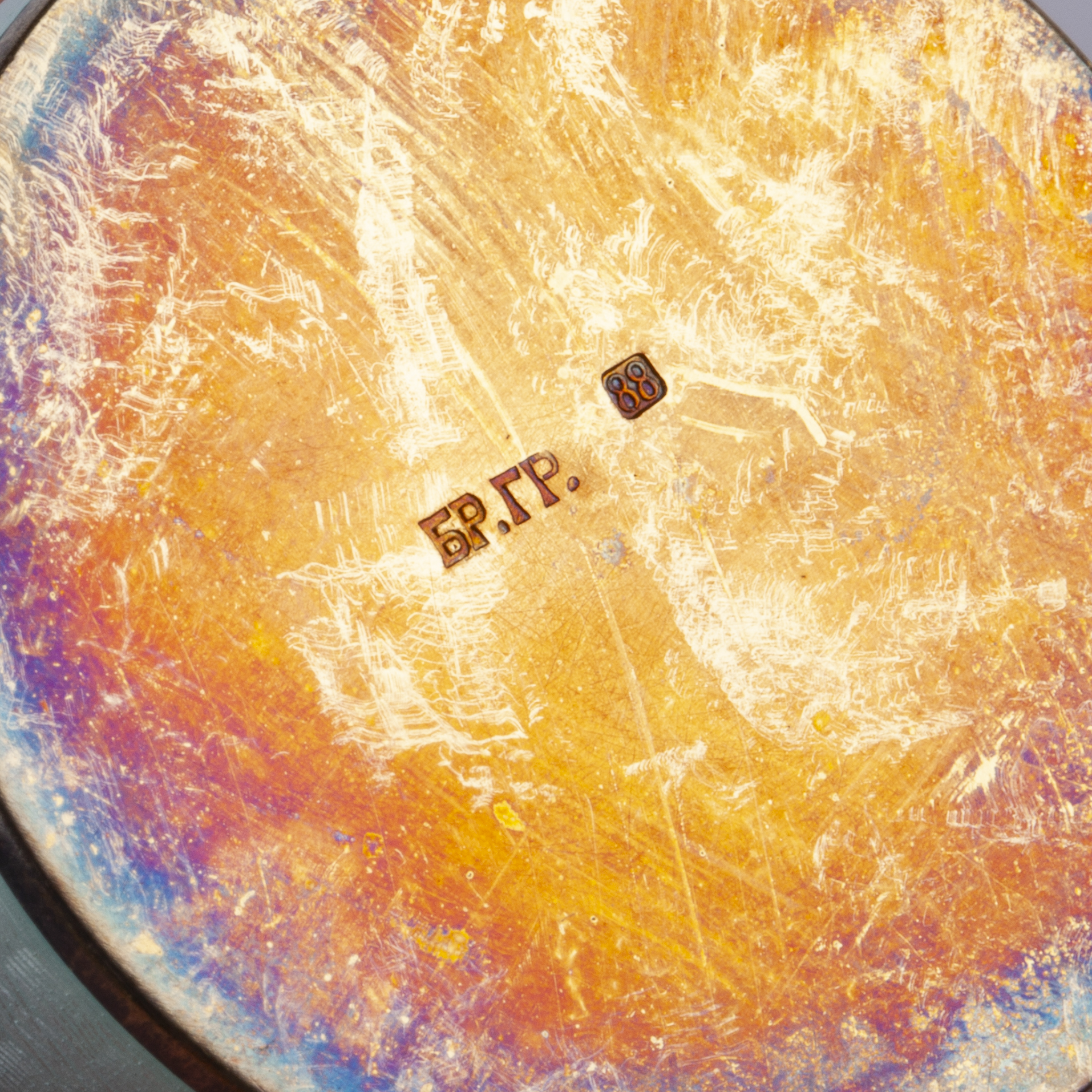
Silver, gilding, guilloché enamel. Marked: firm’s mark Br. Gr, 88 standard; assay mark of St.Petersburg. Weight: 64,4 g. Dimensions of the cup: 3,6 x 5,1 x 3,5 cm. Diameter of the saucer plate: 8 cm.
A refined Russian silver-gilt vodka cup with matching plate in the form of tea pair. Both enriched with translucent guilloché enamel over an engine-turned ground. The cup is of slightly tapering cylindrical form with a plain loop handle, while the plate circular echoes its restrained geometry and understated elegance. The luminous deep blue enamel, laid over a finely waved guilloché surface, creates a soft moiré effect that animates the object with subtle movement and depth.
The ensemble was produced by the celebrated St Petersburg firm of the Brothers Grachev, among the leading Russian silver manufacturers of the late Imperial era. Founded in 1866 by Gavriil Petrovich Grachev, the enterprise was subsequently managed by his sons Mikhail, Simon, and Grigory. In 1892 the firm received the distinction of Supplier to the Imperial Court, a title renewed in 1901. Although particularly admired for works in the Russian Revival style, the Grachev workshop also created table silver of refined historicist and early modern character, distinguished by exceptional technical precision and a sophisticated command of enamelling.
This cup and stand belong to the sphere of intimate luxury tableware produced for an affluent urban clientele in the final years of Imperial Russia. Their restrained silhouette, monochrome brilliance, and finely controlled enamel surface exemplify the discreet elegance of St Petersburg silver at the beginning of the 20th century.Starting price: 1200€
Estimate: 1500-1700€
Hammer Price: Not sold -
Lot 0194
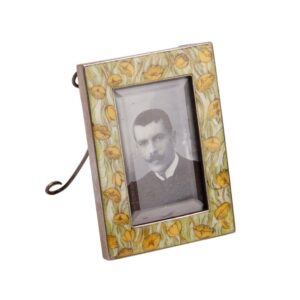
Bolin Silver Art Nouveau Photo Frame with En-Plein Enamel, Moscow, 1908–1917
Estimate: 2500-3500€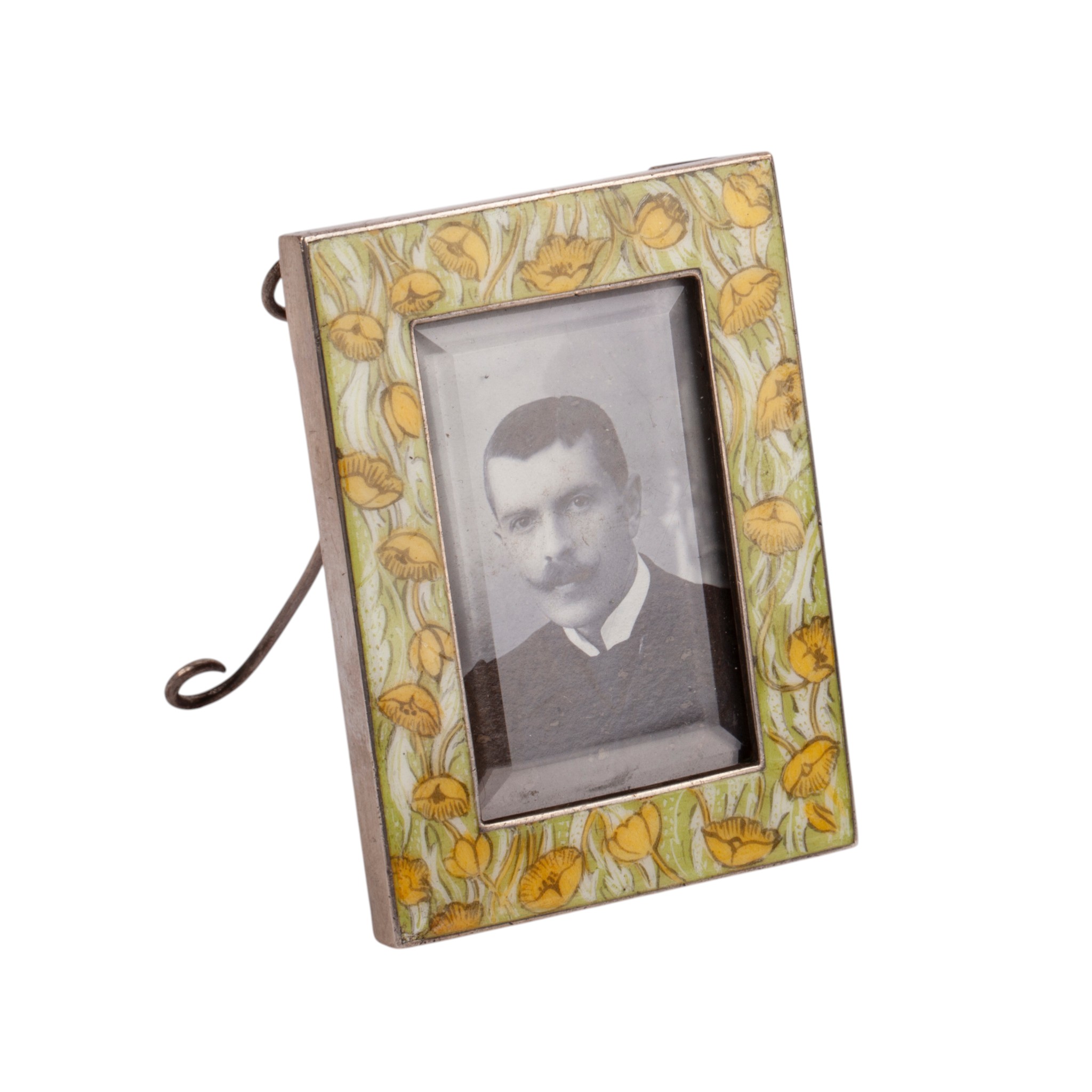
Lot 0194
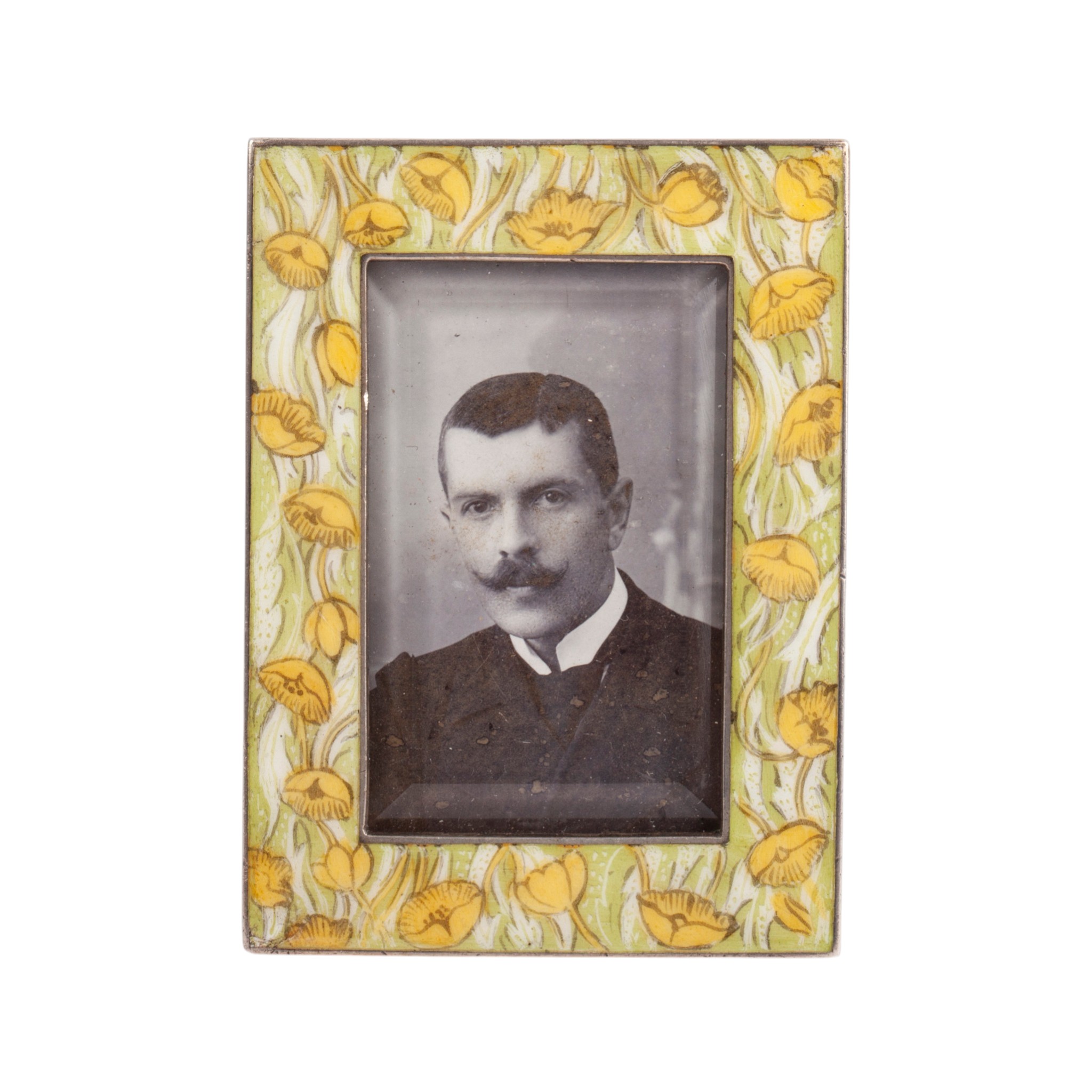
Bolin Silver Art Nouveau Photo Frame with En-Plein Enamel, Moscow, 1908–1917
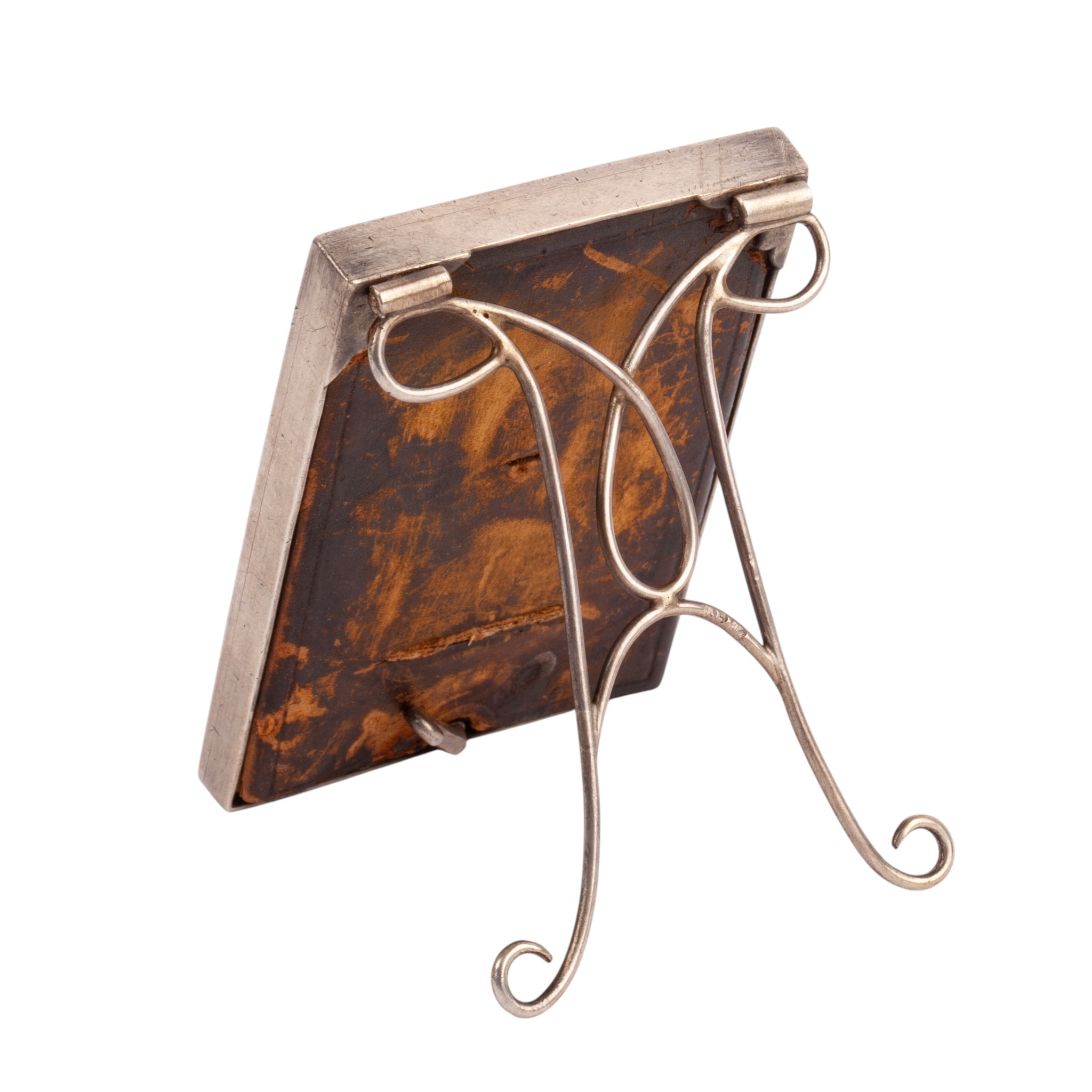
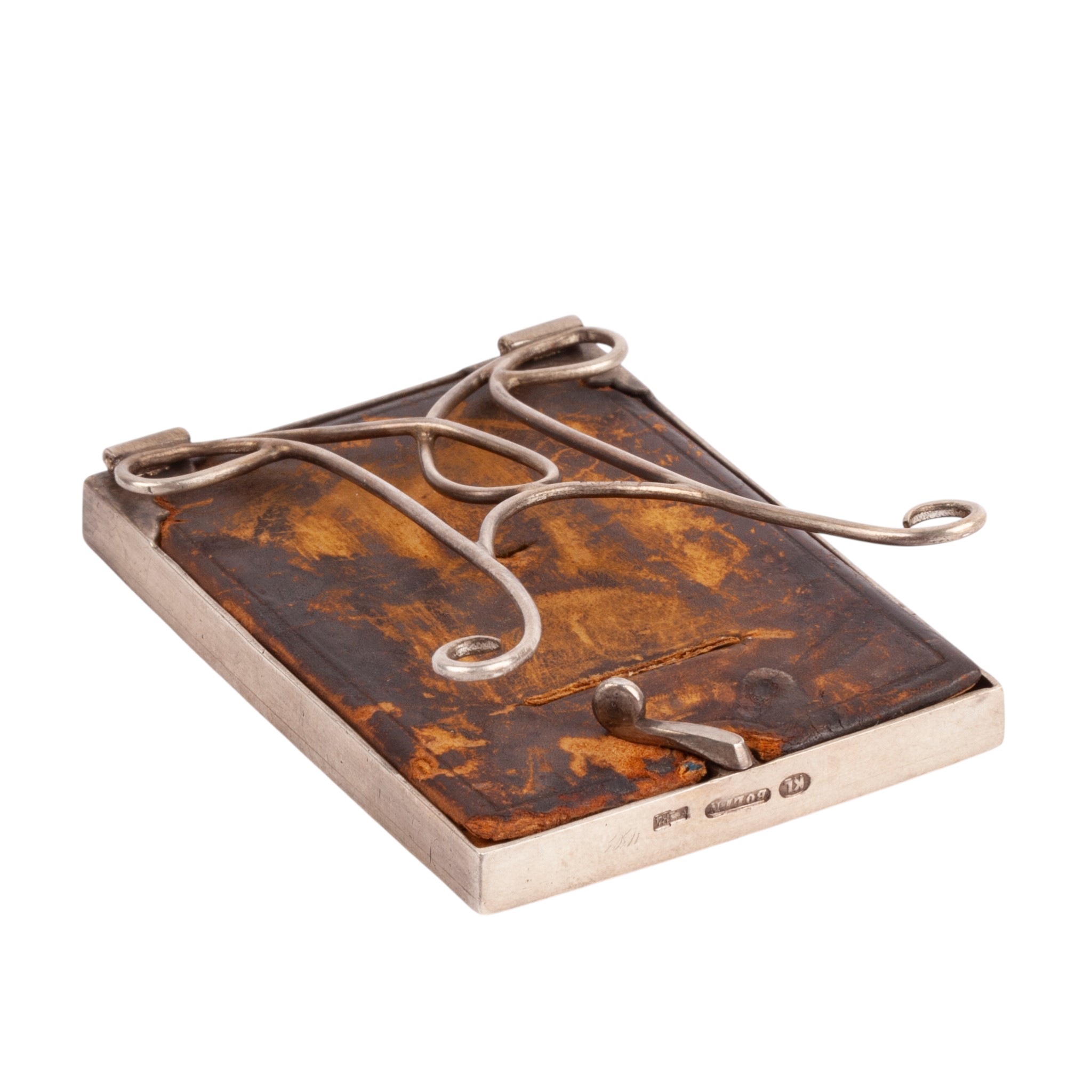
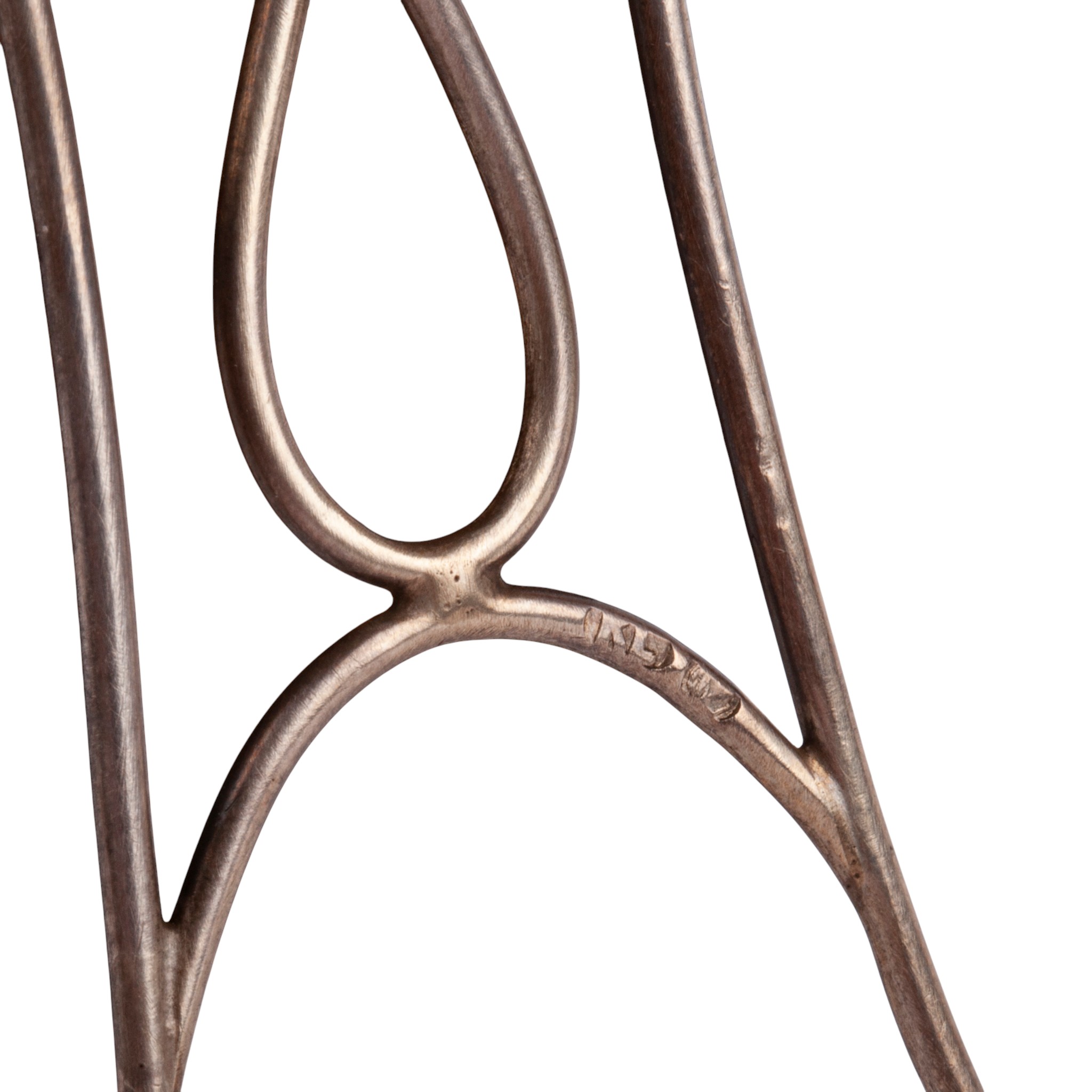
Estimate: 2500-3500€Bolin frim. Silver photo frame in Art-noveau style. Moscow, “Bolin” firm, master Konstantin Linke, 1908–1917
Silver, en-plein enamel, leather Dimensions: 5.2 × 7.1 cm; mirror size: 3.0 × 5.0 cm
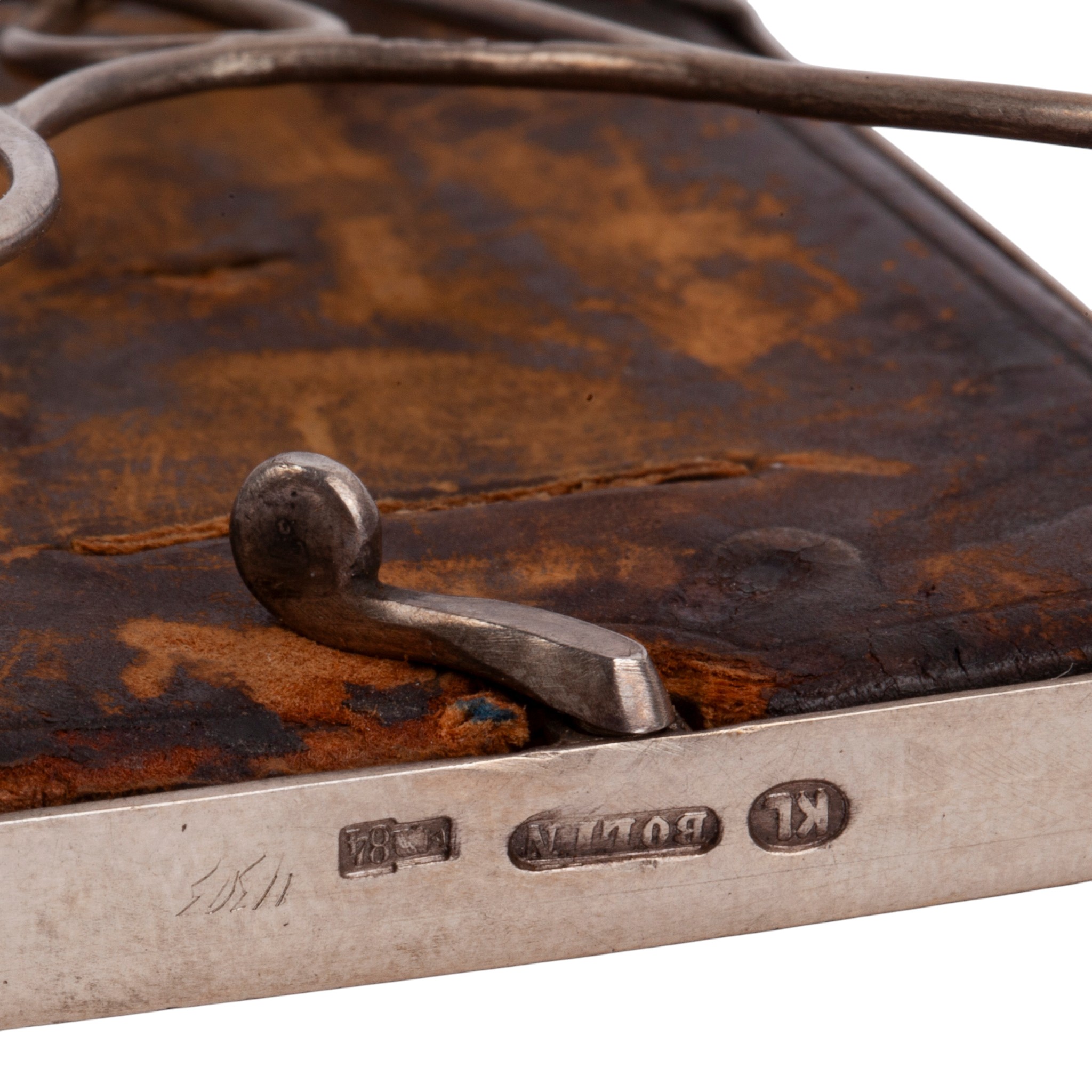
Marks: Master’s mark “KL”, “BOLIN” firm mark, assay mark of Moscow 1908–1917, 84 zolotnik silver standard.
This table photo frame is adorned with beautifully en-plein enamel images of stylized water lilies on curved stems, executed with remarkable virtuosity and artistic skill. Water plant motifs were especially popular in Art Nouveau art, and this frame showcases an elegant and delicate composition of these floral designs. The frame’s painted decor exudes refined artistry, with graceful floral motifs and a delicate enamel palette, epitomizing the “Bolin style”.
Konstantin Linke, the son of Prussian Eduard Linke and Maria Aksakova, was a famous silversmith and engraver. Maria owned her own workshop (1866–1894), and Konstantin took over the family business, becoming a master silversmith in Moscow. He also worked for the renowned “Bolin” firm, where he started in 1903. By 1900, he was a second-guild merchant, and he managed the silver workshop at the firm’s Moscow branch located in the Kruzovskoi house on Kuznetsky Most.
“Bolin” is one of the leading jewelry firms in the Russian Empire, dating back to 1796 and continuing today in Stockholm since 1916. It was granted the prestigious title of “Supplier to the Imperial Court”. The Moscow branch of Bolin was led by Vasily Andreyevich Bolin from 1888, who invited French artists to design pieces that combines classic styles with elements of Art Nouveau.Starting price: 2000€
Estimate: 2500-3500€
Hammer Price: Not sold -
Lot 0195
Fabergé Nephrite Desk Photograph Frame with Gold, Diamonds and Ruby, St Petersburg, 1899–1903
Estimate: 6000-7000€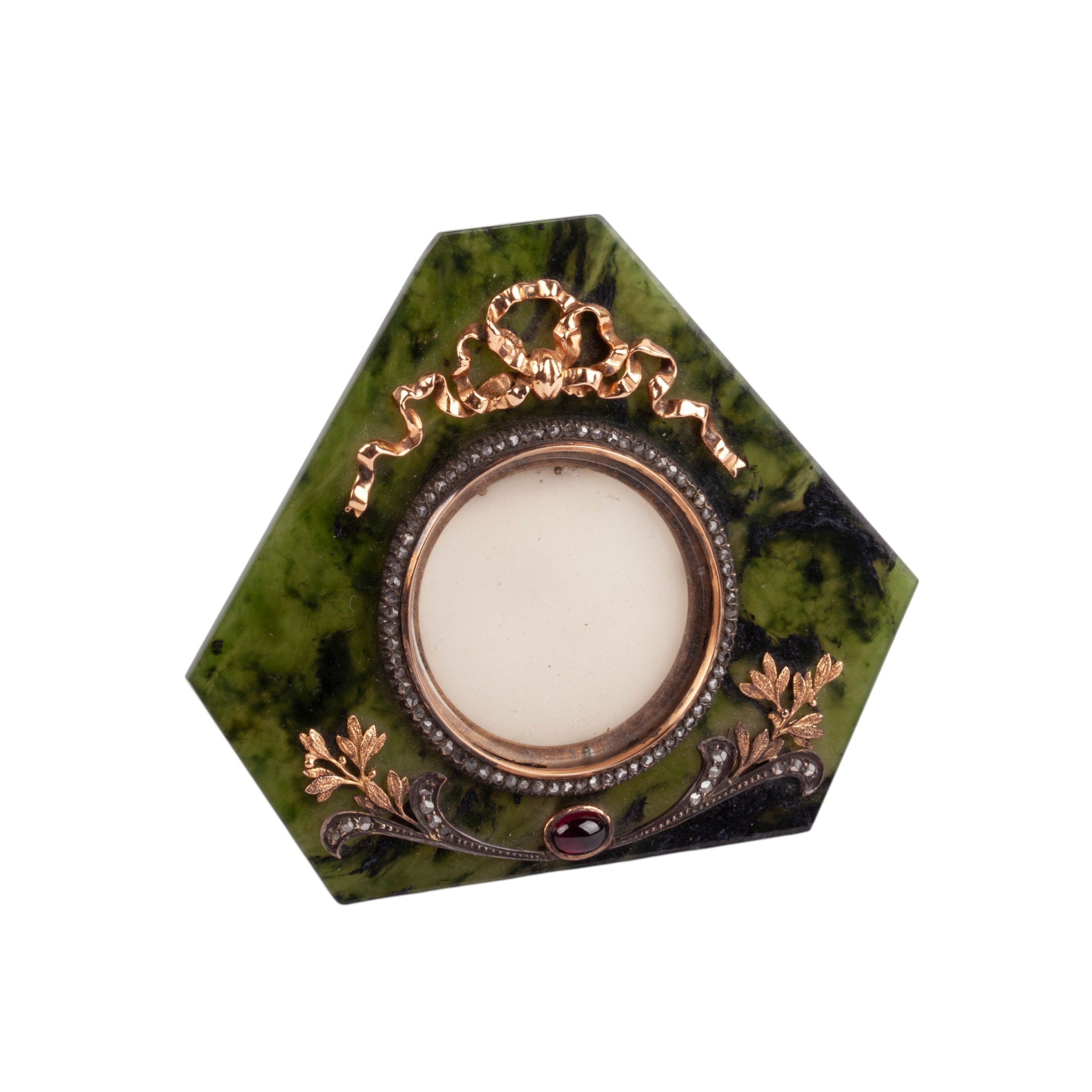
Lot 0195
Fabergé Nephrite Desk Photograph Frame with Gold, Diamonds and Ruby, St Petersburg, 1899–1903
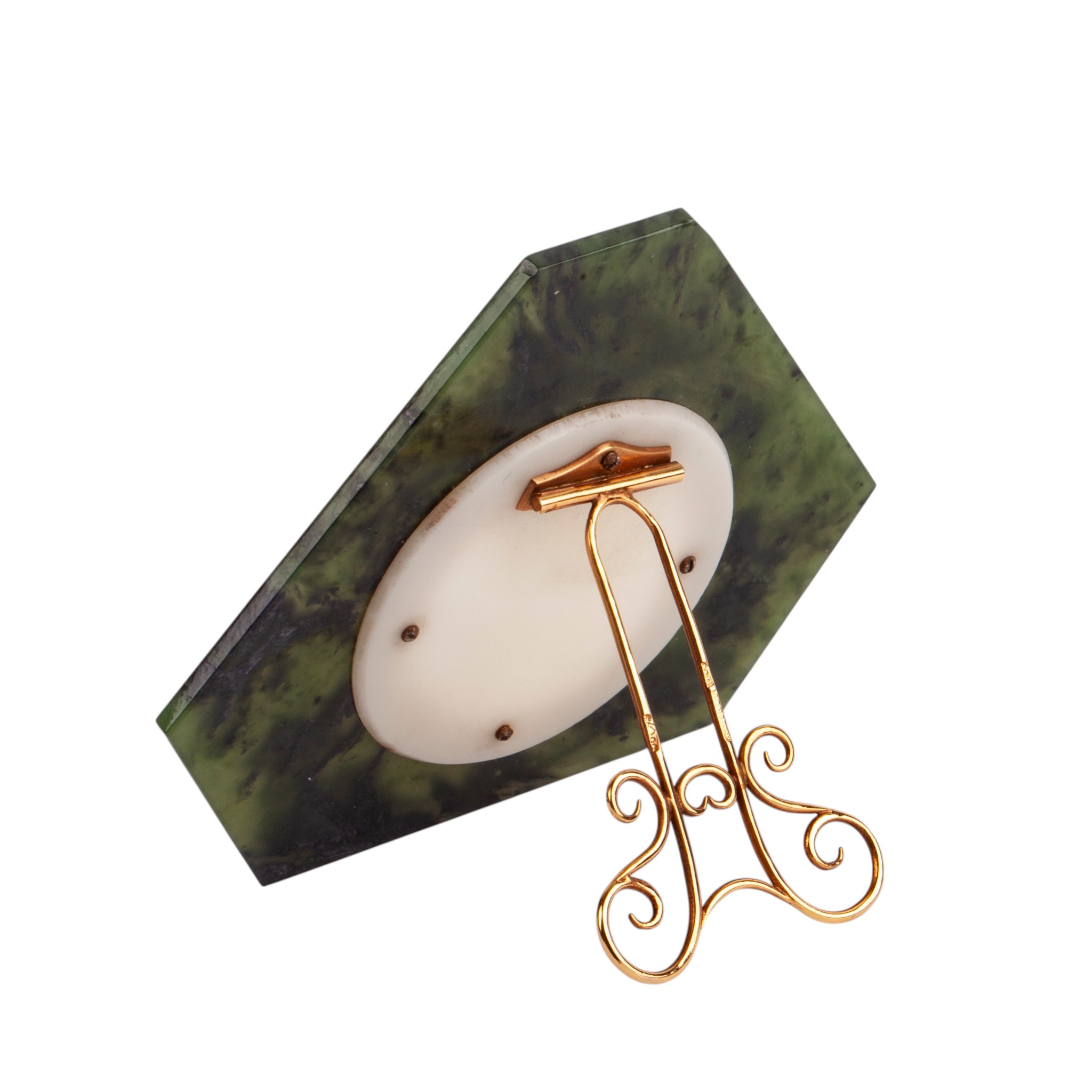
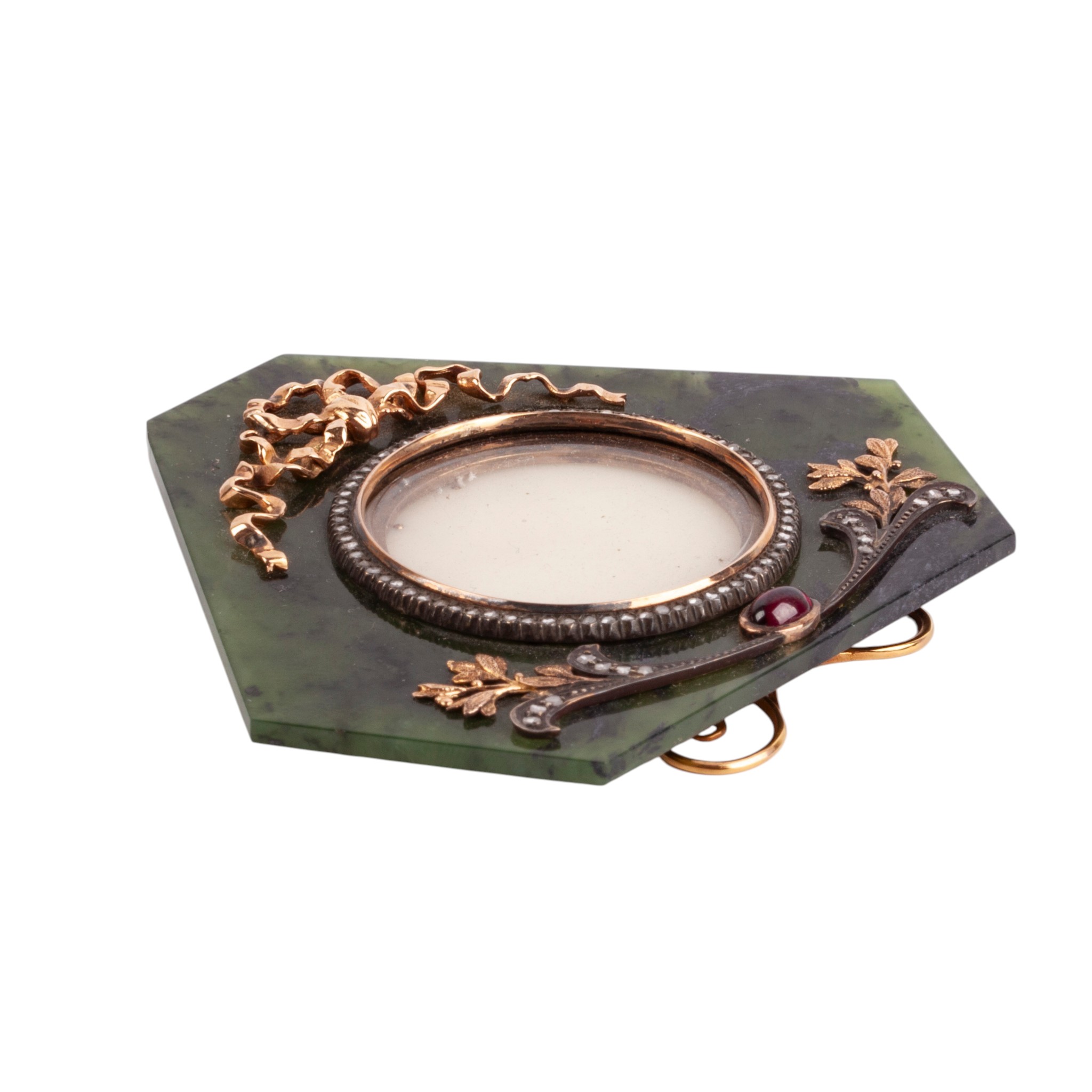
Estimate: 6000-7000€Fabergé. Photograph frame (desk frame) in a nephrite plaque, with gold mount, diamonds and ruby. St Petersburg, 1899-1903.
Nephrite, gold, diamonds, ruby; carving, mounting, chasing, engraving. Total weight: 53 g. Dimensions:7,4 x 8,7 x 1 cm. Diameter for the photo: 3,5 cm.
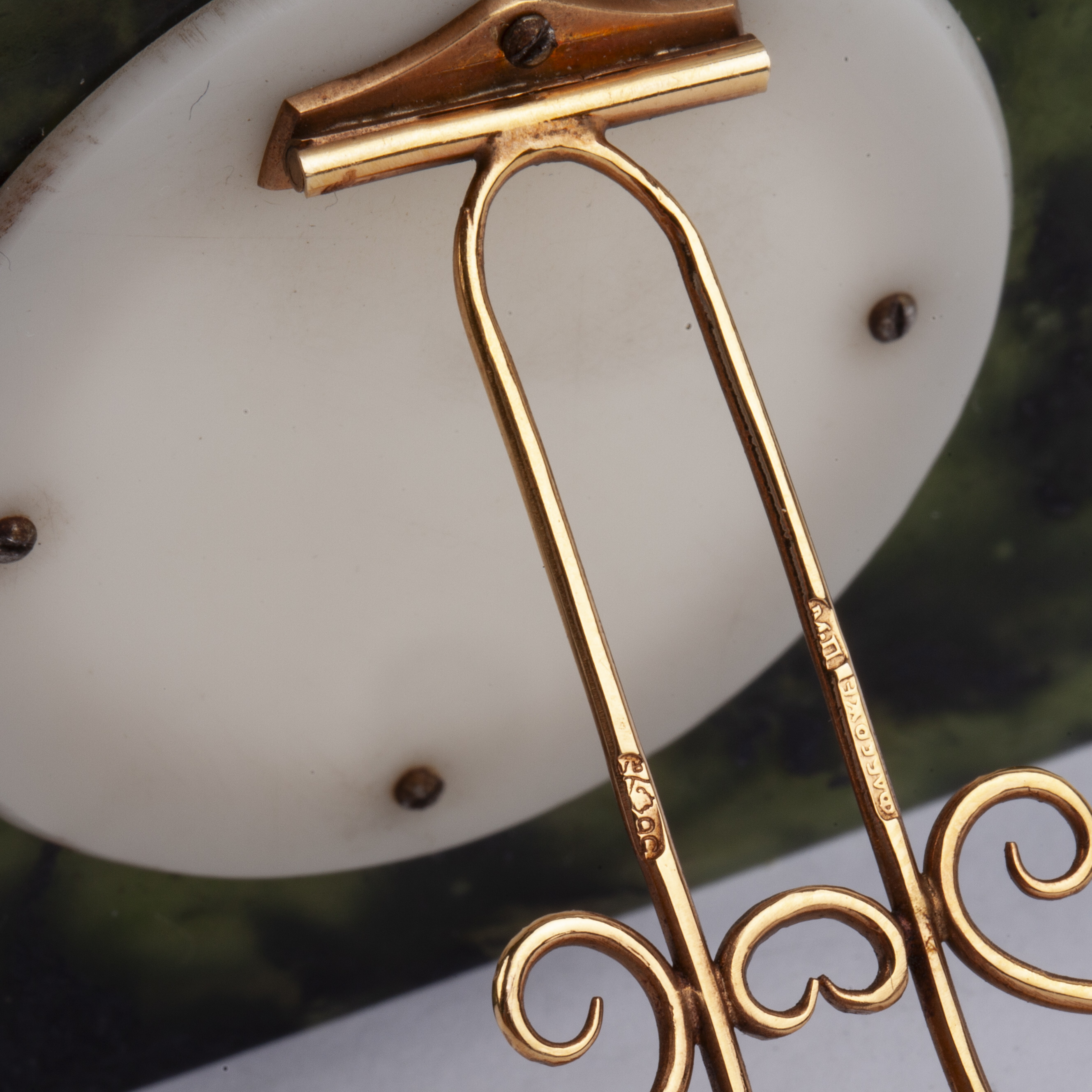
Marks: stamped in Cyrillic “FABERGÉ”; workmaster’s mark “MP”, St Petersburg assay gold marks. A refined tabletop photograph frame composed as a dark-green nephrite tablet, cut to a compact polygonal outline. At the centre is a circular photo window encircled by a narrow gold bezel. The inner rim is enriched with a continuous collar of small diamonds.
The ornament is asymmetrical and distinctly classical in taste. On one sides, a stylised foliate scroll in low relief is accented with a cabochon ruby. Mikhail Perchin (1860–1903) was among the most significant Fabergé workmasters in St Petersburg. Having received his master’s qualification in 1884, he opened his own workshop under Carl Fabergé’s patronage in 1888. Perchin’s atelier produced a wide range of presentation gifts and refined objets de fantaisie, and it was responsible for many of the most celebrated Imperial Easter Eggs. After his death, the workshop’s tradition was continued by Henrik Wigström.
Comparable items:
https://www.christies.com/en/lot/lot-6039564
https://www.sothebys.com/en/auctions/ecatalogue/2014/russian-and-silver-vo-n09134/lot.47.htmlStarting price: 5000€
Estimate: 6000-7000€
Hammer Price: Not sold