
Lot 0051
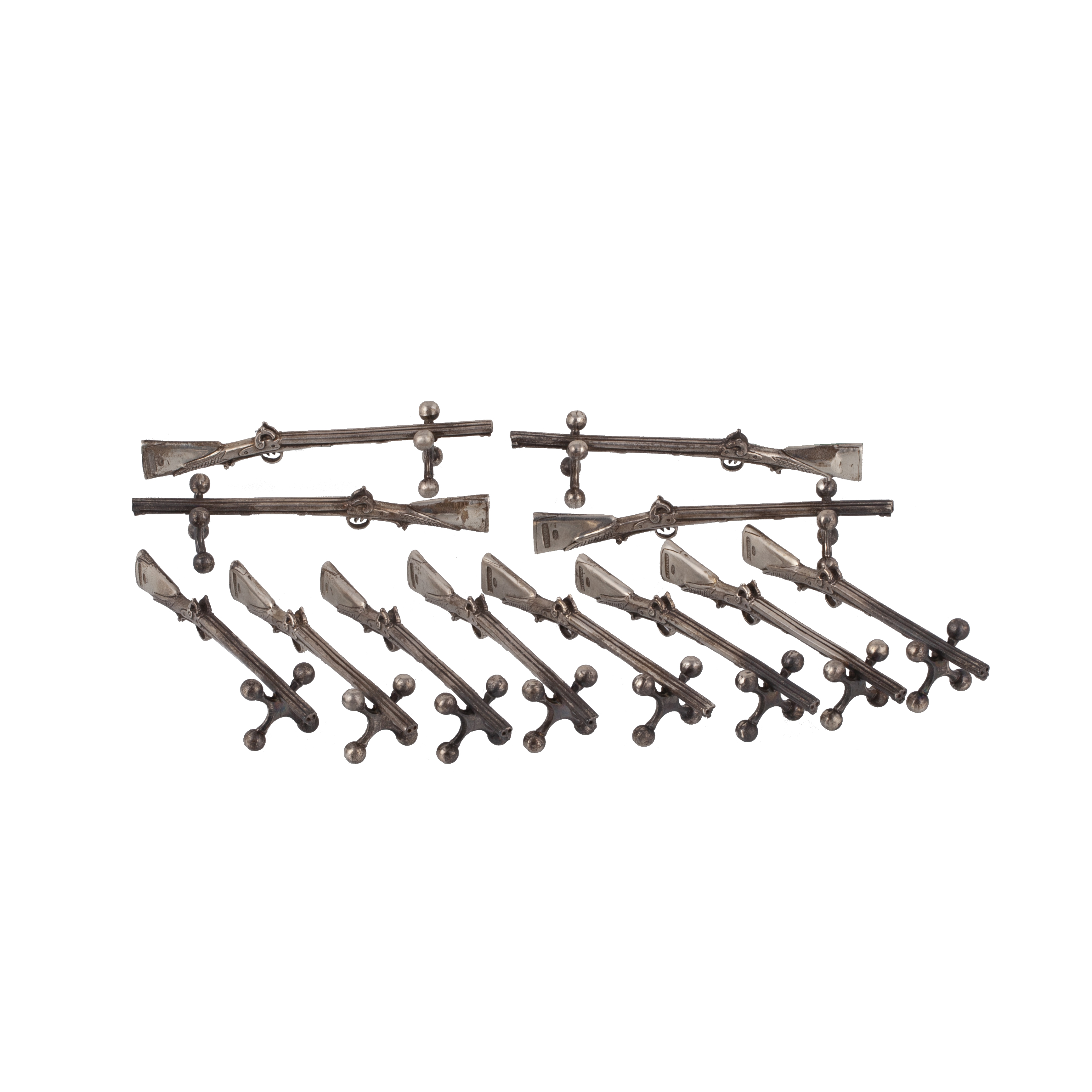
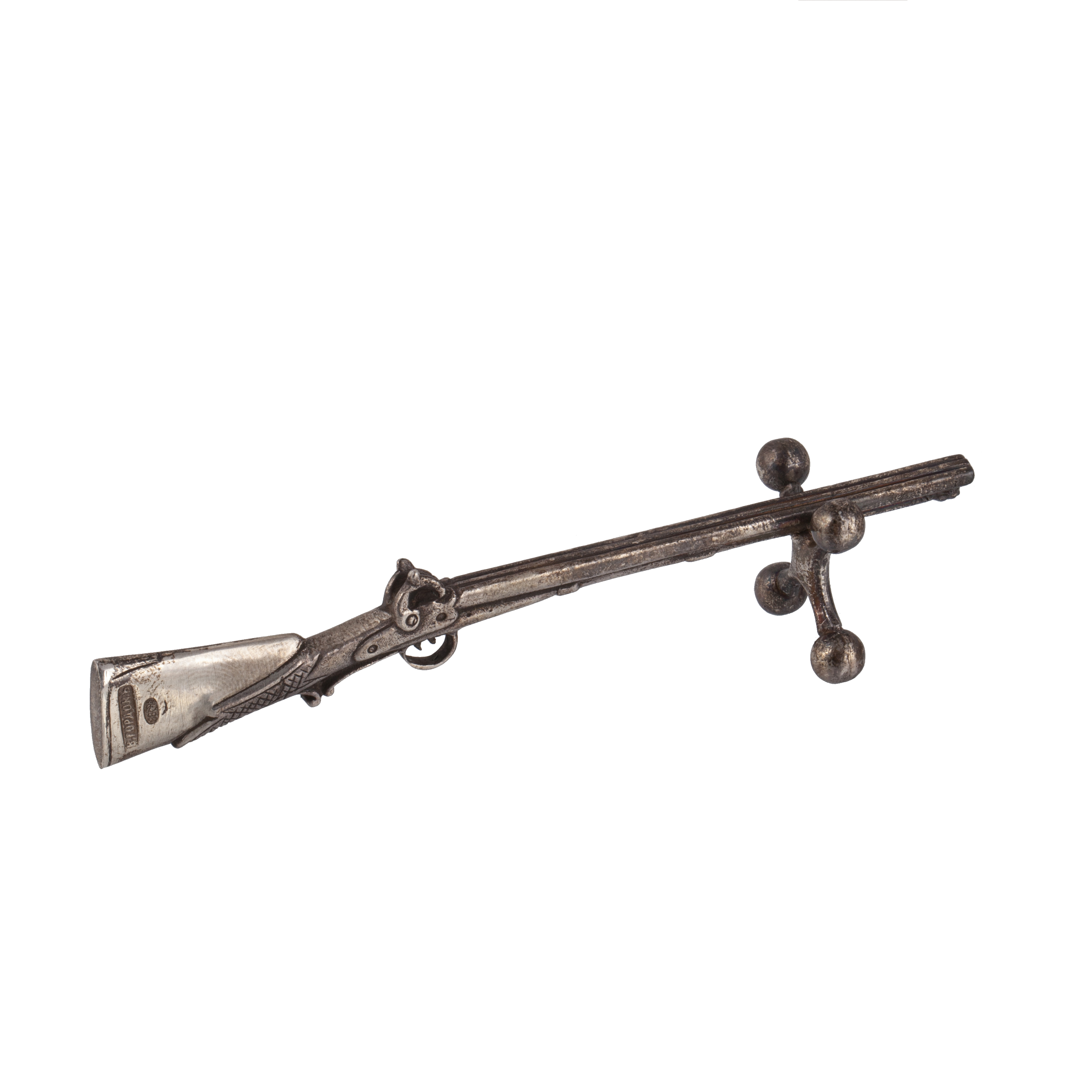
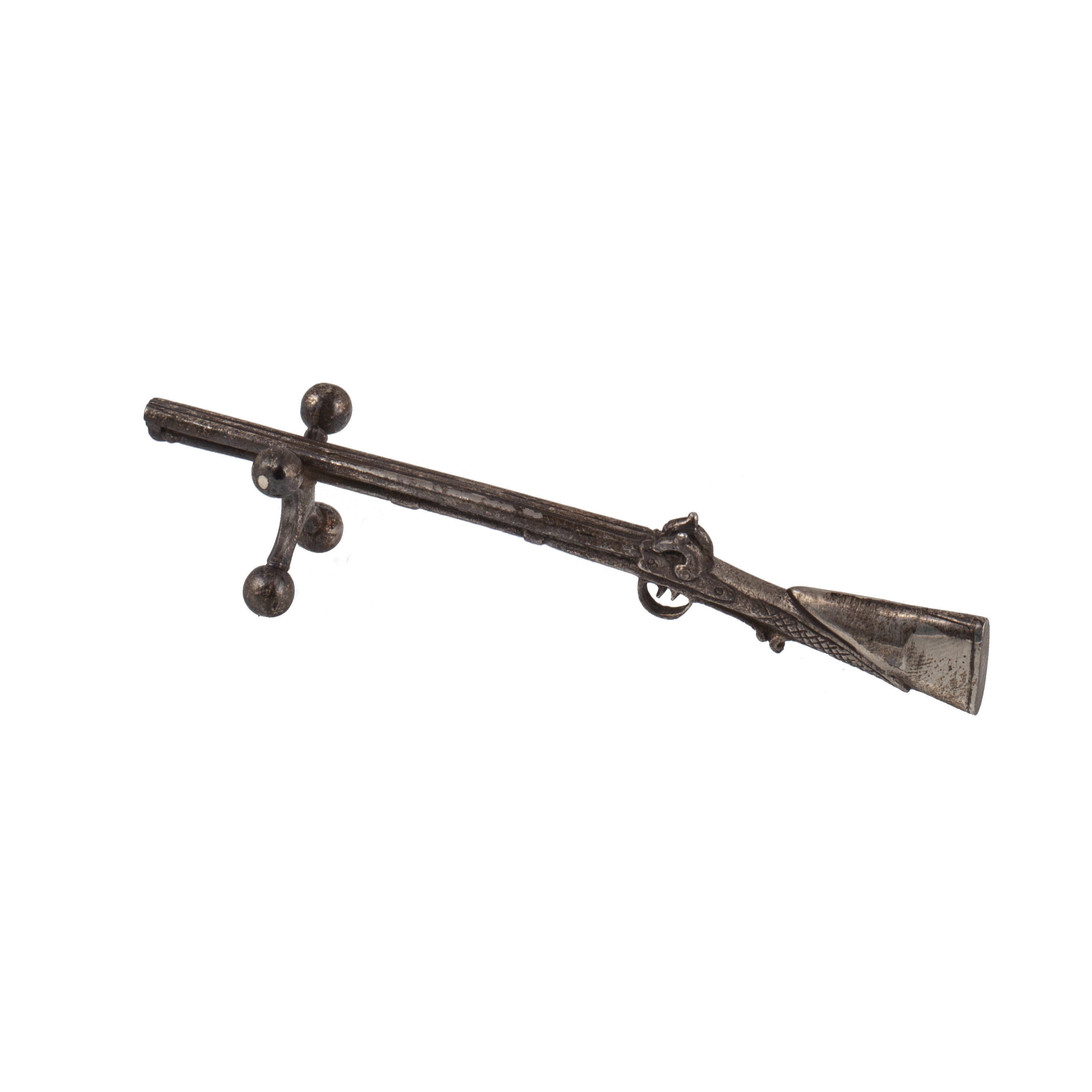
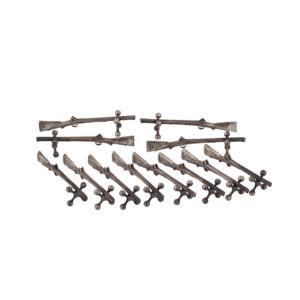
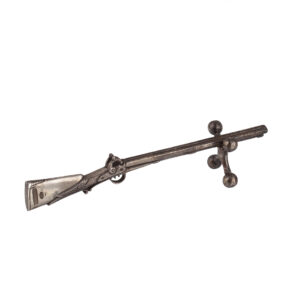
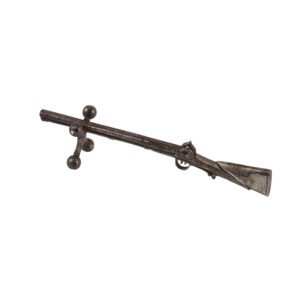
Russian Commemorative Cast Silver Tableware Stands in the Form of a Rifles
Estimate: 2000-2500€
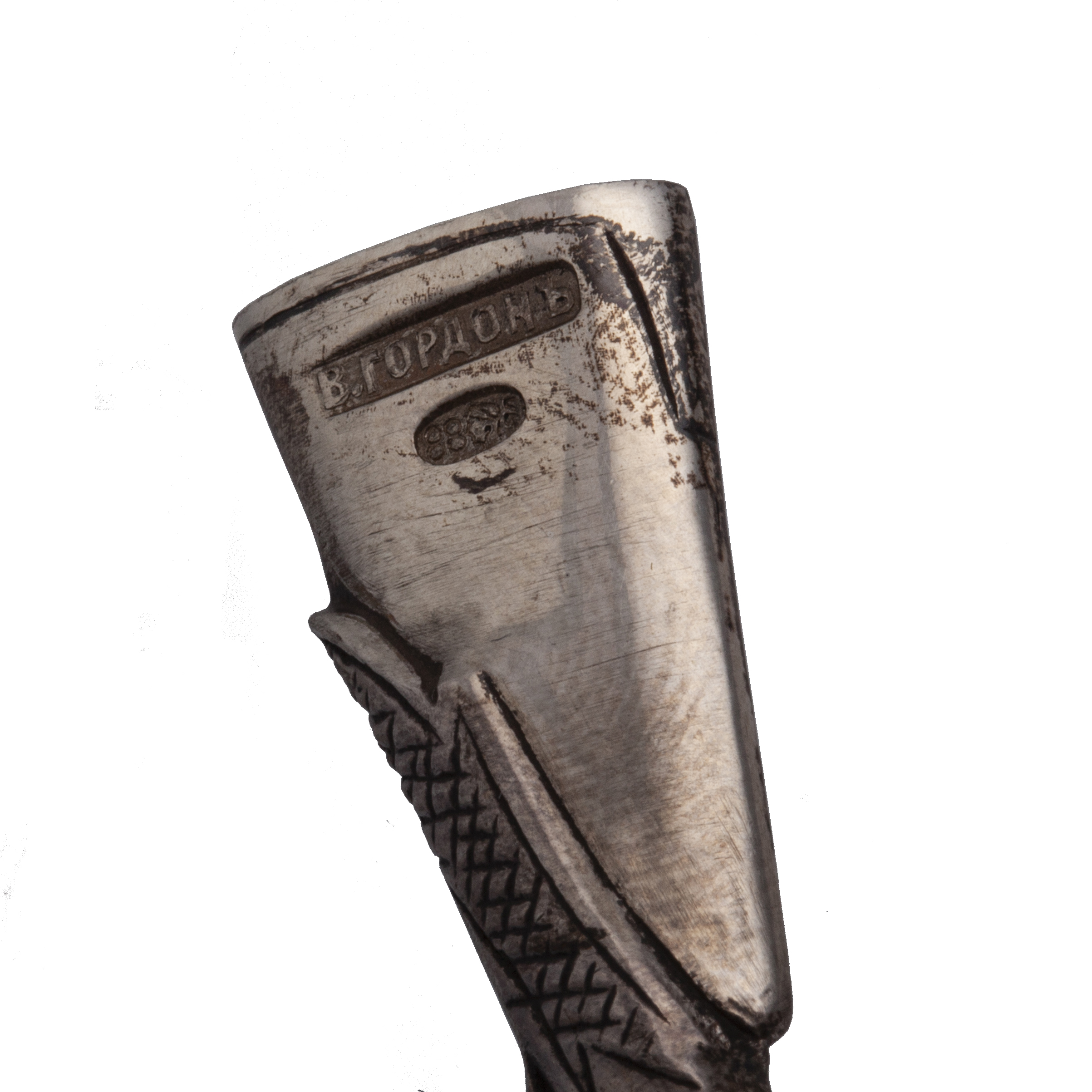
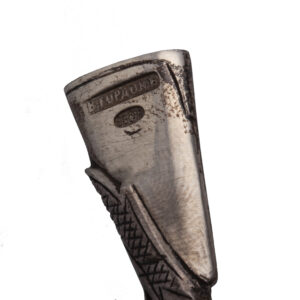
A Russian cast silver set of tableware stands in the form of rifles, presented as a shooting prize from the 85th Imperial Vyborg Infantry Regiment. Maker’s mark of V. Gordon firm, St. Petersburg, 1899–1904.
Dimensions: Length 10.6 cm
Total weight: 392 g
Vladimir Gordon was a well-known St. Petersburg jeweler whose shop on the Zerkalnaya Line of Gostiny Dvor was widely recognized at the turn of the 20th century. His firm was admired for the richness and variety of its production and enjoyed a solid reputation among the city’s clientele.
Starting price: 1500€
Estimate: 2000-2500€
Hammer Price: Not sold
Related Lots
-
Lot 0049
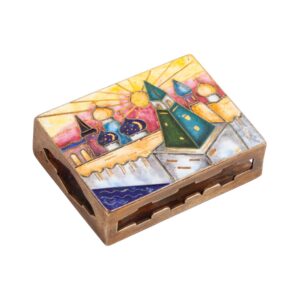
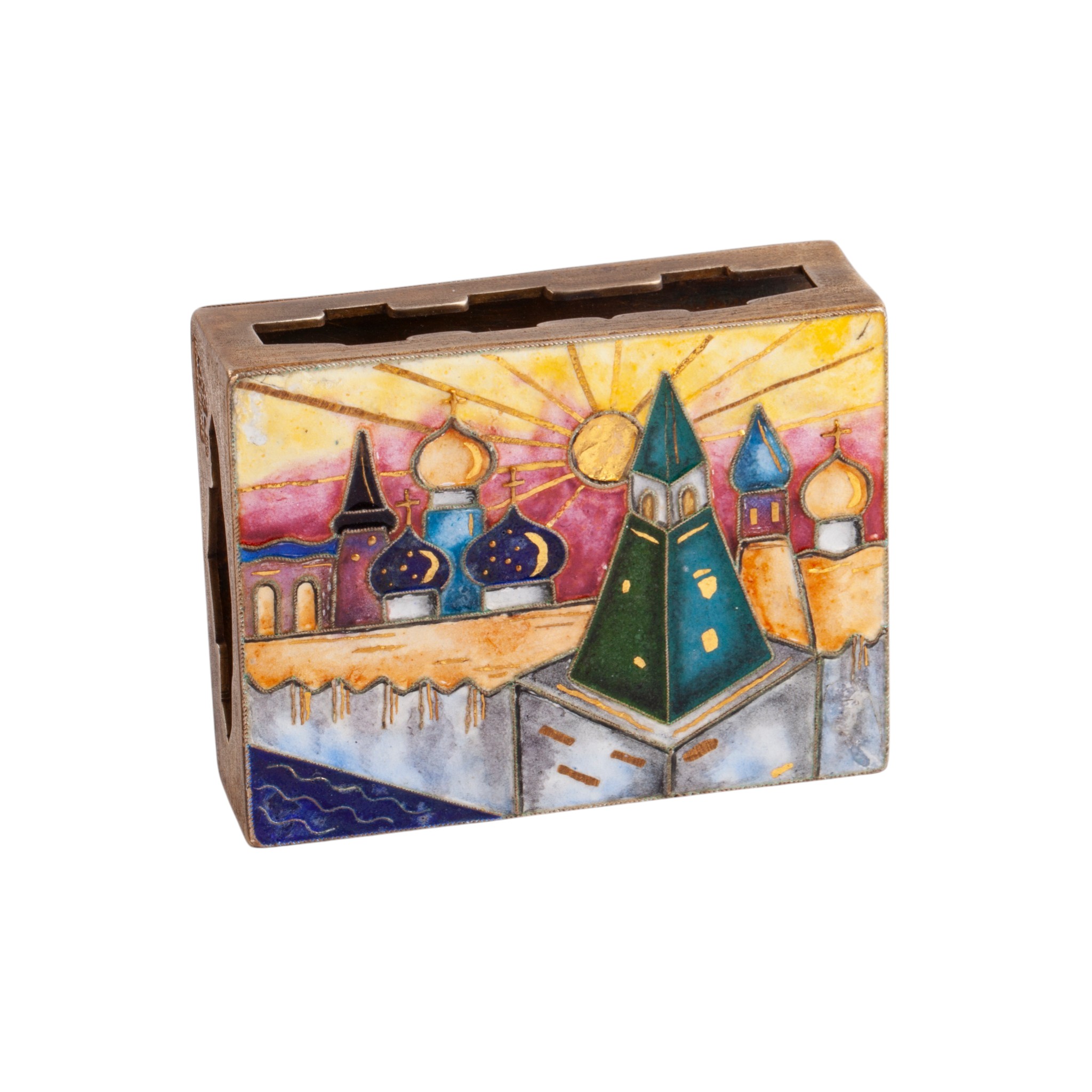
Fabergé. Match Holder for the 300th Jubilee of the House of Romanov, Moscow, circa 1913
Estimate: 7000-9000€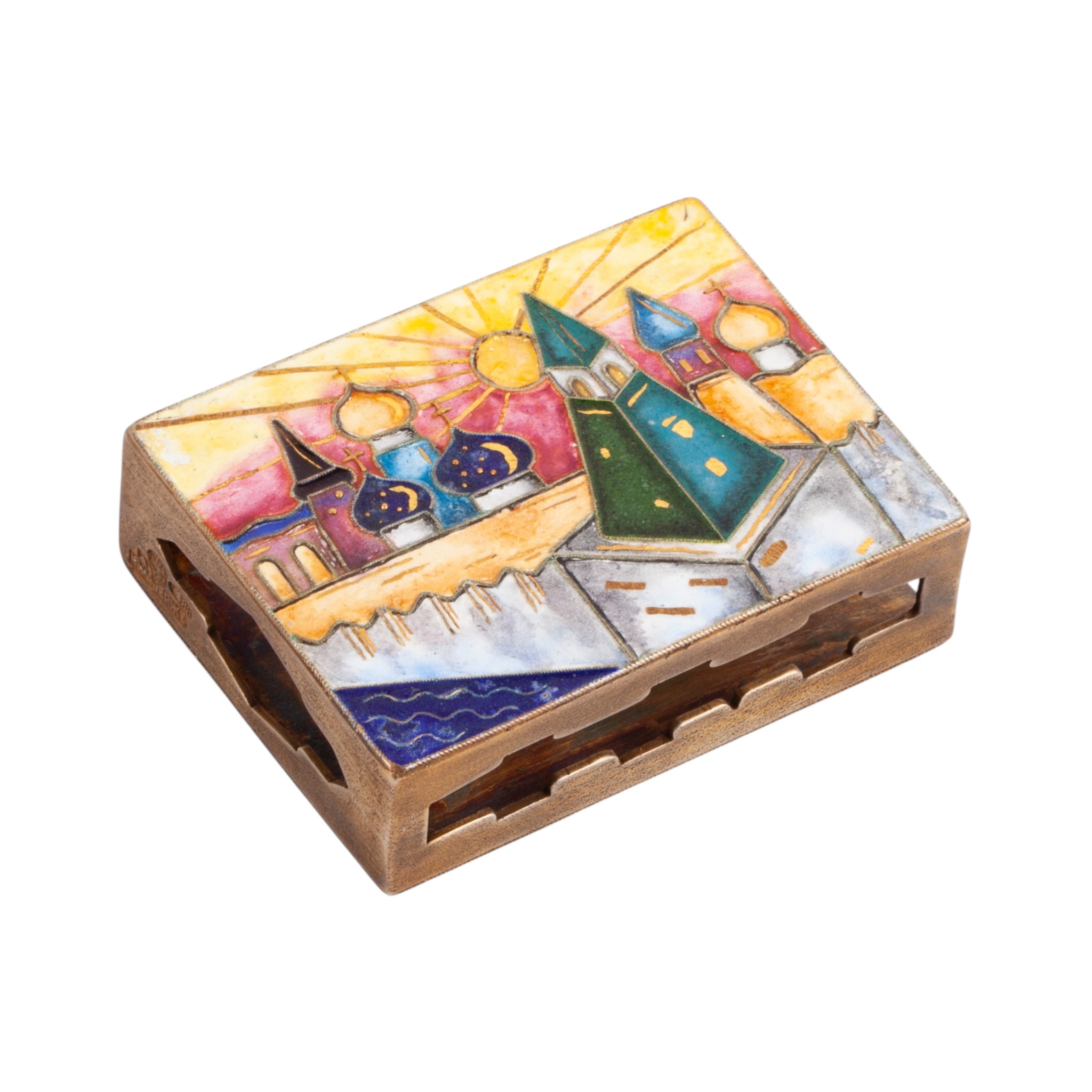
Lot 0049
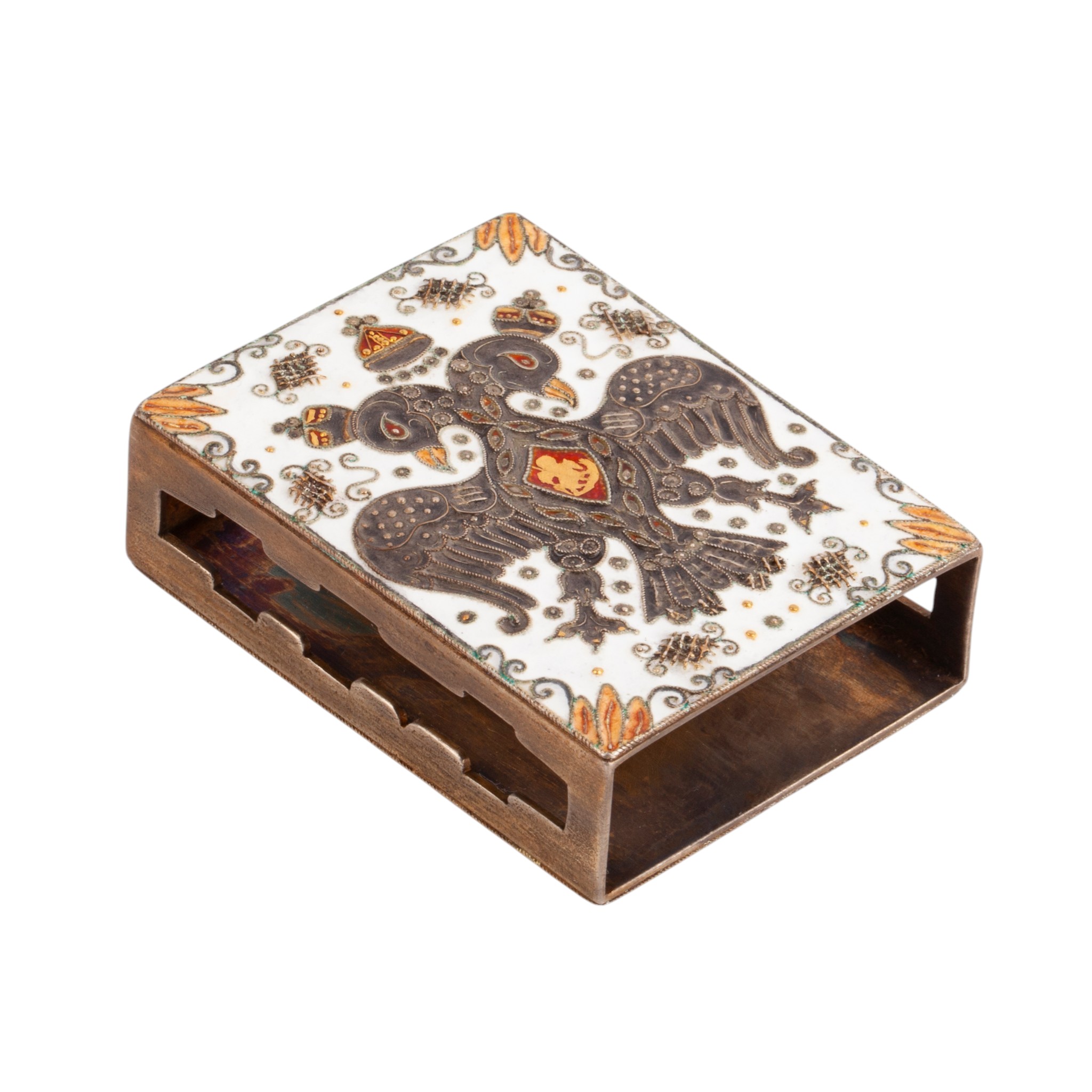
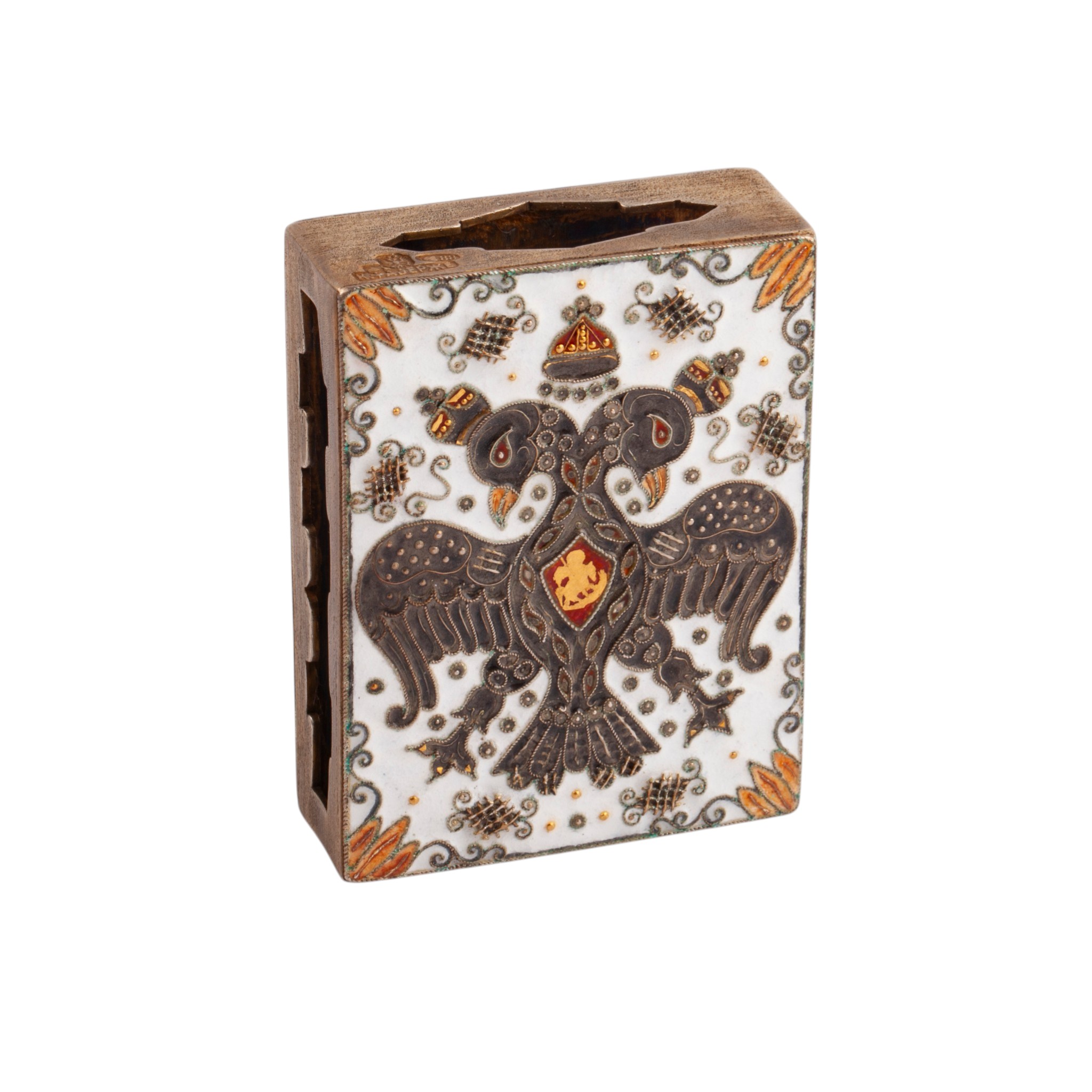
Fabergé. Match Holder for the 300th Jubilee of the House of Romanov, Moscow, circa 1913
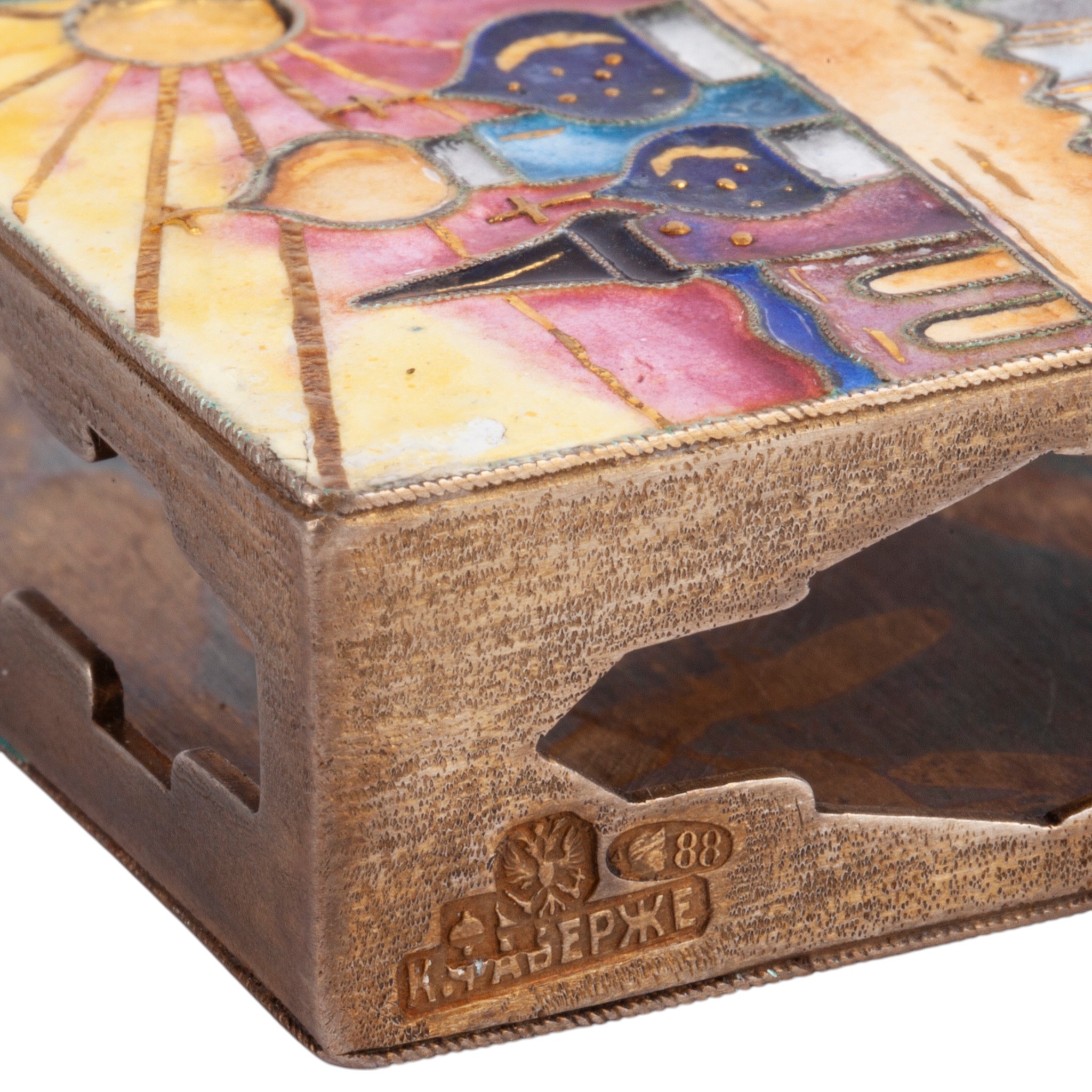
Estimate: 7000-9000€Rare Faberge match holder in the honour 300 years jubilee of House of Romanov (1613–1913). Moscow, Feodor Rückert workshop; retailed by Carl Fabergé, circa 1913.
Silver; cloisonné enamel; gilding; chased and engraved details. Weight: 82 g. Dimensions: 4,6 x 6 x 2 cm.
Marks: in a rectangular stamp C. Fabergé, under the punch of FR; Moscow assay mark (1908-1917).
A compact silver match holder conceived as a small-scale monument to Imperial Moscow. One side bears a panoramic enamel view of the Kremlin: The reverse is dominated by a double-headed eagle in the Neo-Russian manner, executed in relief and graphic line over a milky white enamel ground. The imperial emblem is enriched with stylised crowns and shield, while the surrounding field is filled with Pan-Slavic ornamental vocabulary: scrolling tendrils, geometric rosettes, and golden accents arranged like a ceremonial textile.
Feodor Rückert (1840–1918) (Feodor Ivanovich Rückert; born Friedrich Moritz Rückert in Alsace) was a leading Moscow silversmith and enameller, closely associated with the Neo-Russian style. Having arrived in Russia as a teenager, he established his own workshop in Moscow in 1886 (Vorontsovskaya St., 29). From 1887 he maintained a long collaboration with Carl Fabergé and, though not formally on the firm’s staff, became one of its principal suppliers of cloisonné enamelwork for more than three decades.
Rückert’s maker’s mark “Ф.Р.” appears on works retailed by Fabergé and other major firms. His studio, known for technical refinement in cloisonné and miniature painted enamels, produced a wide range of silver objects, often combining folkloric and historical motifs with a modern decorative sensibility. During World War I he was persecuted as an “enemy alien”; his workshop declined and was largely lost. Rückert died in Moscow in 1918. His enamels are represented today in major museum and royal collections worldwide.
Comparable item:
https://www.christies.com/en/lot/lot-5016902Starting price: 6000€
Estimate: 7000-9000€
Hammer Price: 9 000 € -
Lot 0050
Fabergé. Silver Ashtray Commemorating the War of 1914, Moscow, 1914
Estimate: 10000-12000€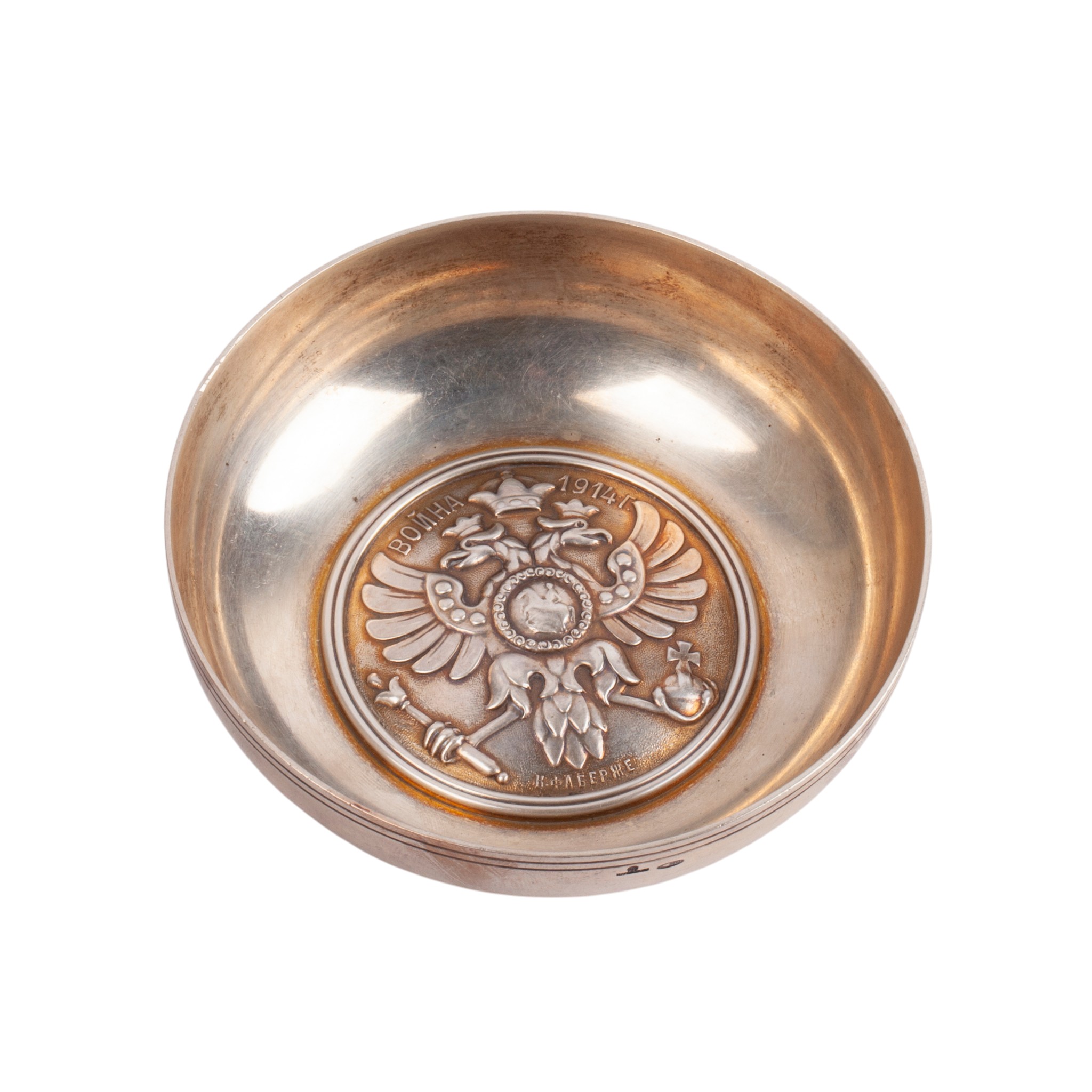
Lot 0050
Fabergé. Silver Ashtray Commemorating the War of 1914, Moscow, 1914
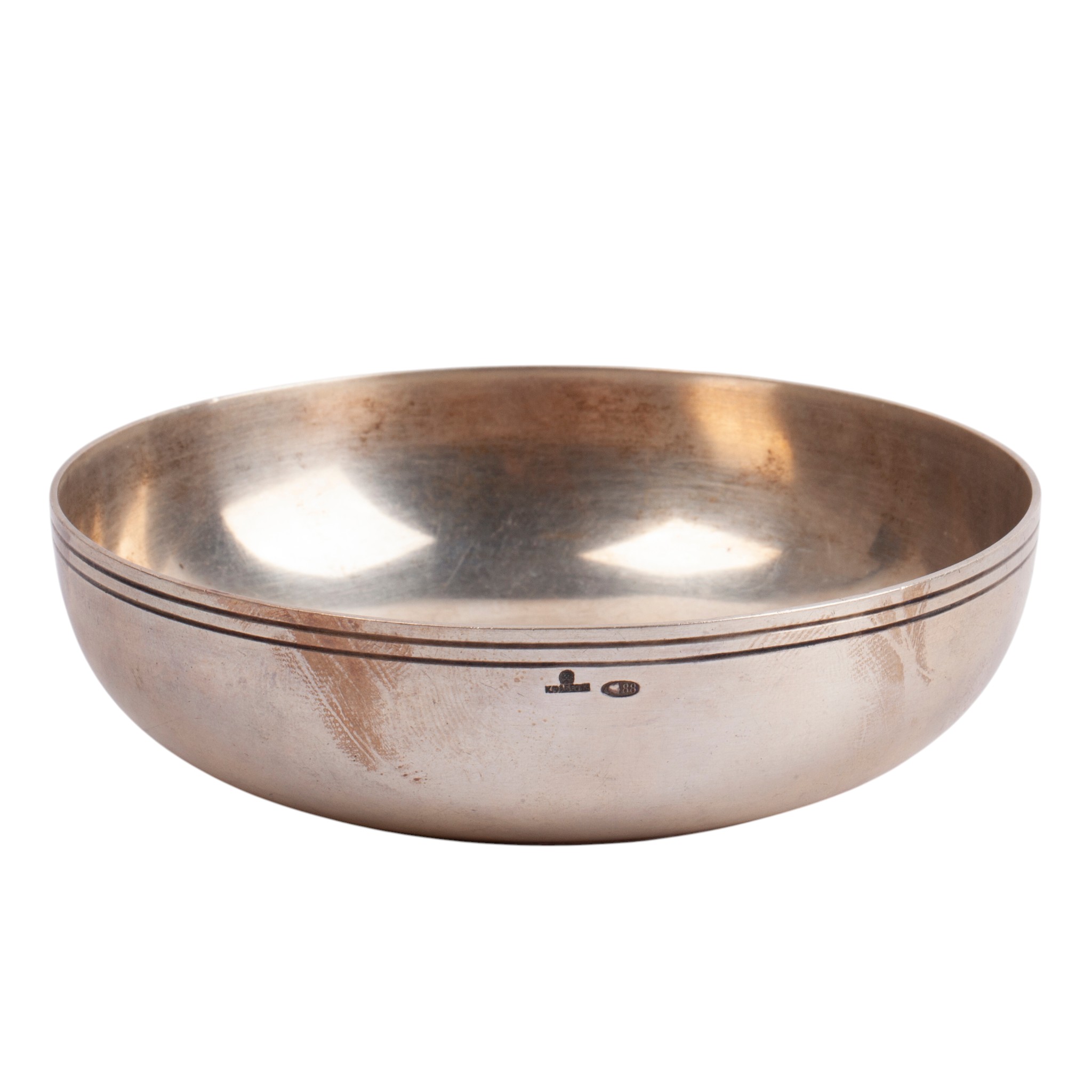
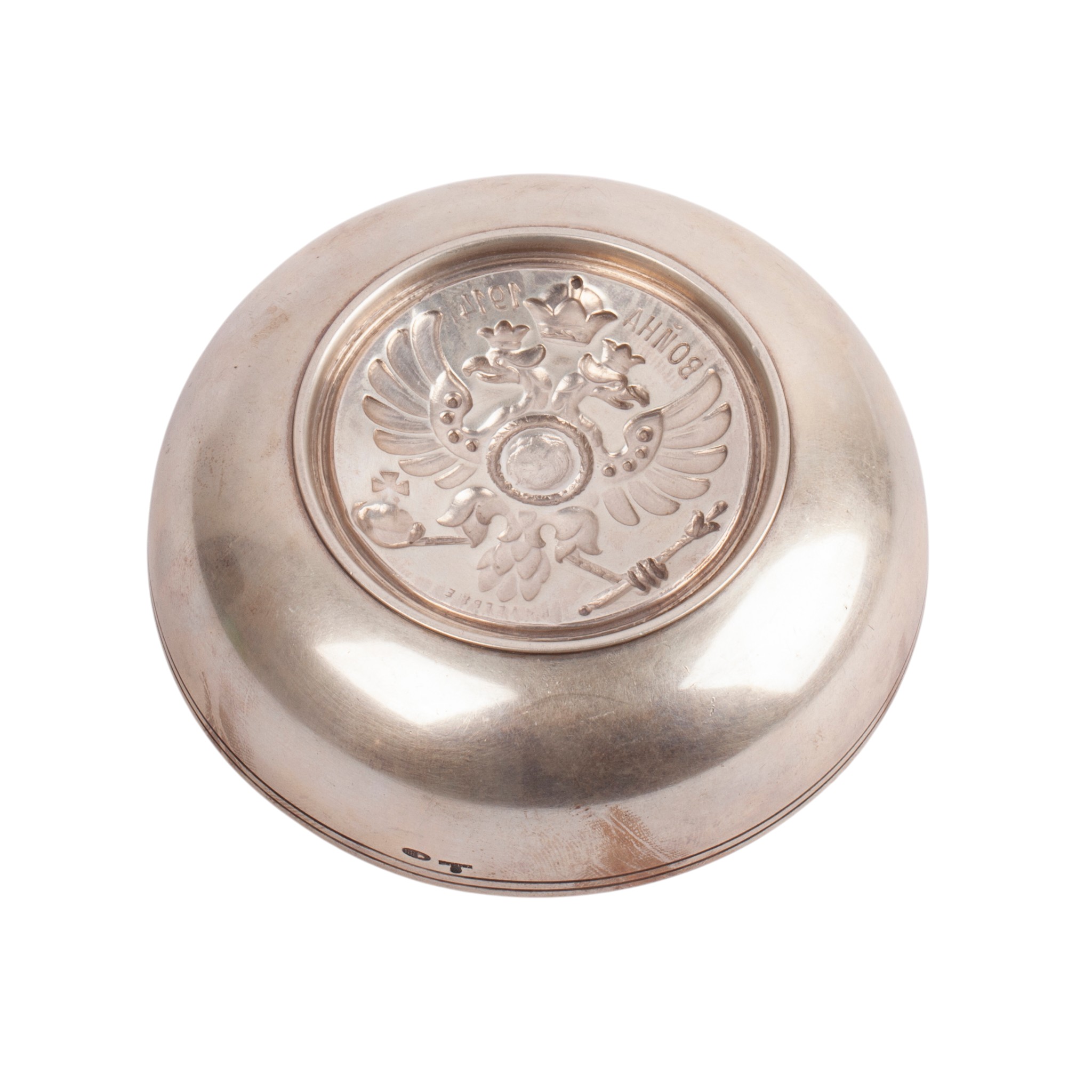
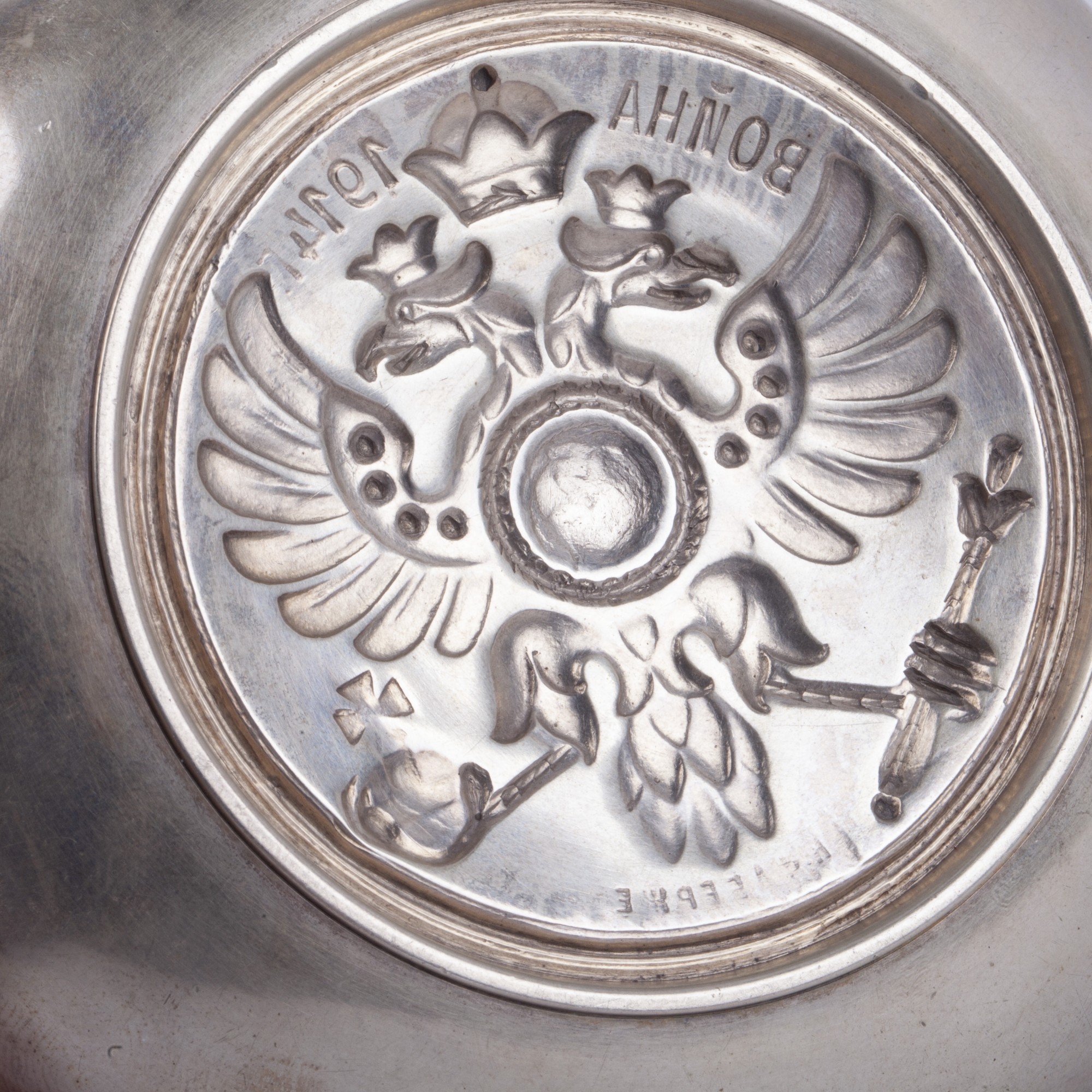
Estimate: 10000-12000€A Rare Russian Silver Ashtray Commemorating the War of 1914.
Moscow, firm of Karl Fabergé, 1914.
Silver; repoussé, chasing, engraving.
Dimensions: 3.2 x 11 x 11 cm. Weight: 145.7 g.
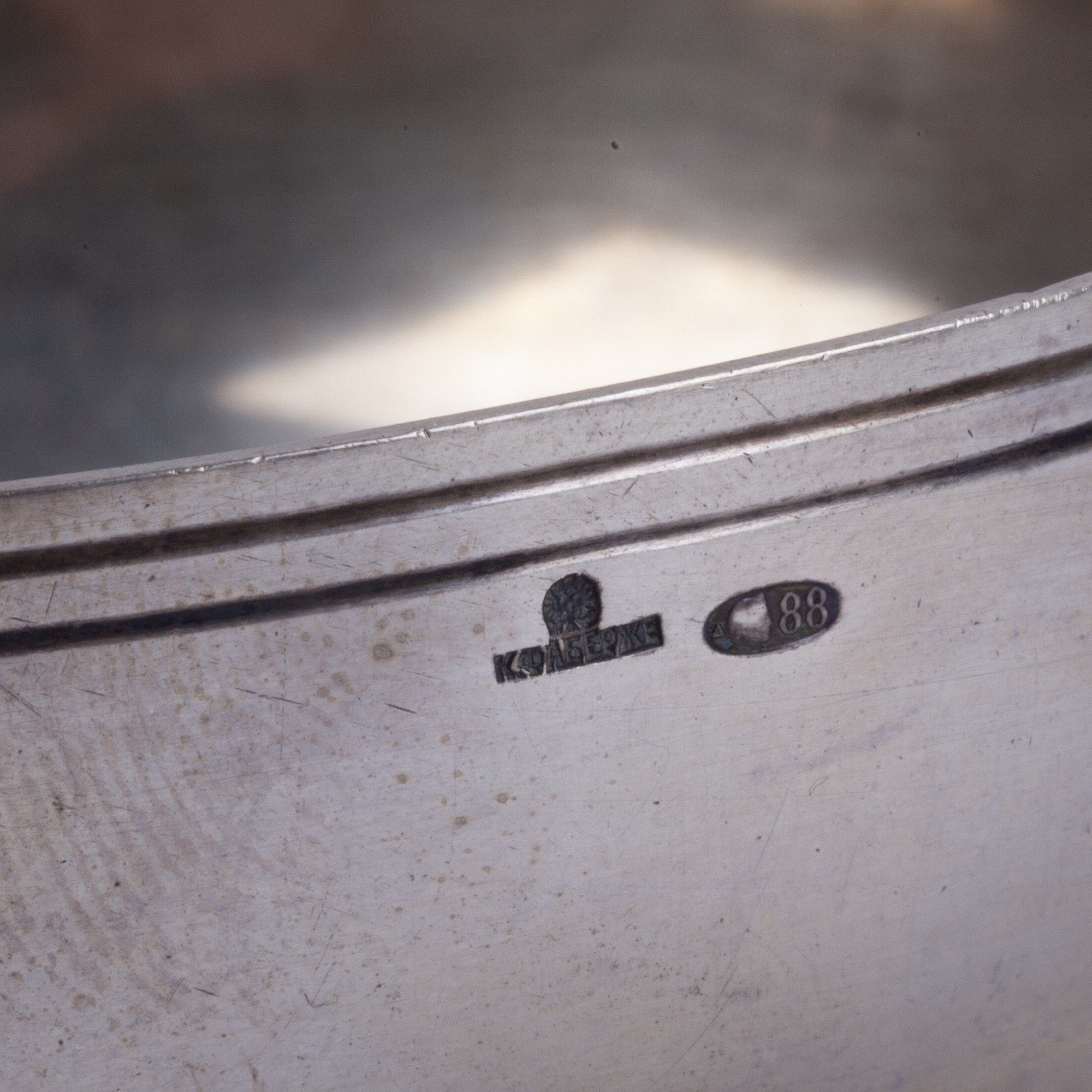
Marks: Fabergé firm mark and Imperial court supplier warrant; Moscow assay mark; 88 zolotniki silver standard.
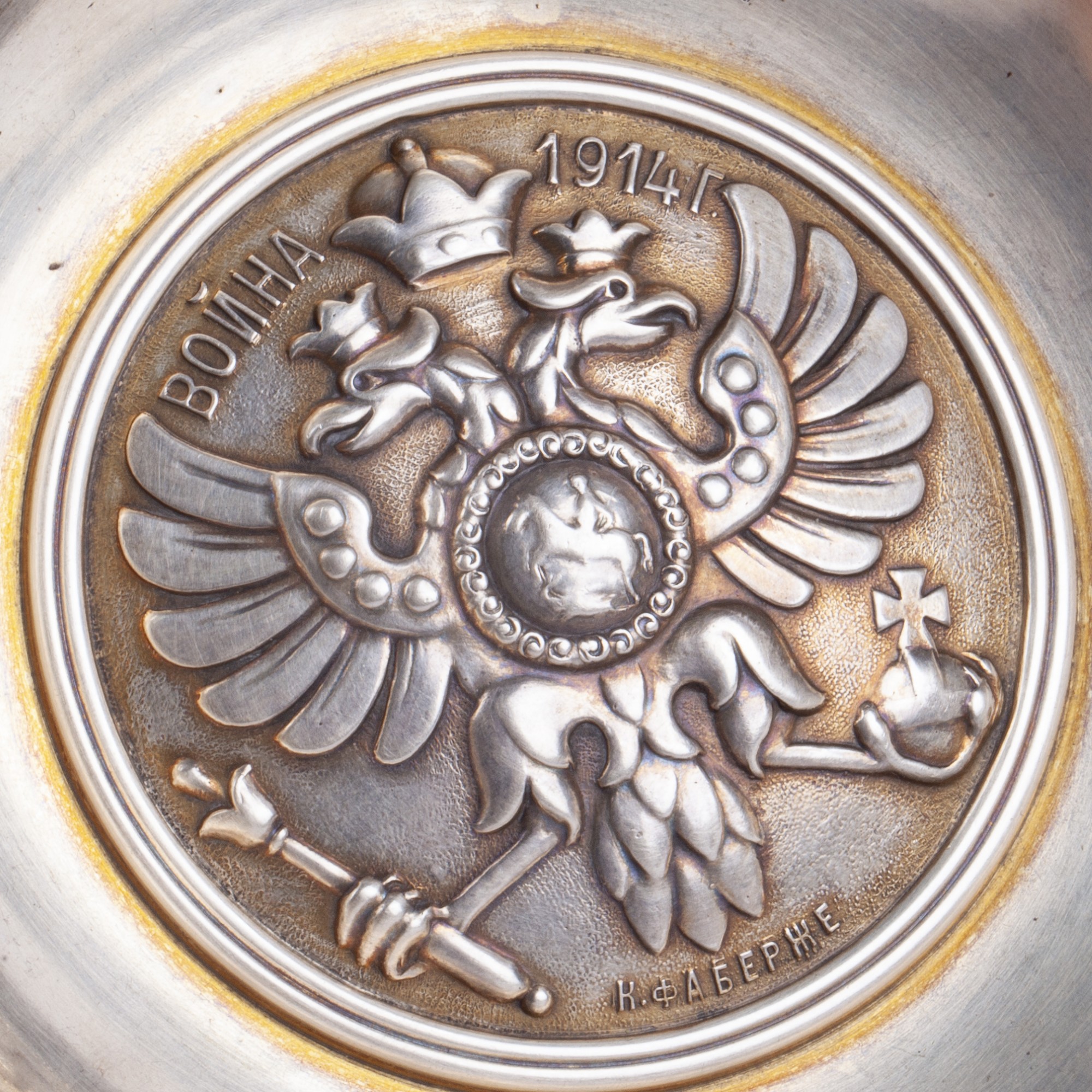
The circular silver ashtray is of shallow bowl form. The centre is decorated in relief with the Russian Imperial double-headed eagle, crowned and displayed with outstretched wings, holding the sceptre and orb. Around the emblem is the commemorative inscription in Cyrillic: «ВОЙНА 1914 г.»
This rare object belongs to the distinctive group of wartime production made by the firm of Karl Fabergé during the First World War. With the outbreak of hostilities in 1914 and the decline in demand for luxury jewellery, Fabergé redirected part of its production toward practical and commemorative objects connected with the army and the front. These included field utensils, mugs, samovars, washstands, cigarette cases, cup-holders and presentation ashtrays.
Objects of this type were often made in copper or more modest metals, bearing the Imperial arms and inscriptions such as “War 1914” or “War 1914-1915.” Silver examples are considerably rarer. Despite their utilitarian function and wartime context, they retain the refinement, clarity of design and technical precision characteristic of Fabergé production.
Such pieces were sometimes presented to soldiers and officers of the active army, including during visits of Emperor Nicholas II to the theatre of war.Starting price: 8000€
Estimate: 10000-12000€
Hammer Price: Not sold -
Lot 0053
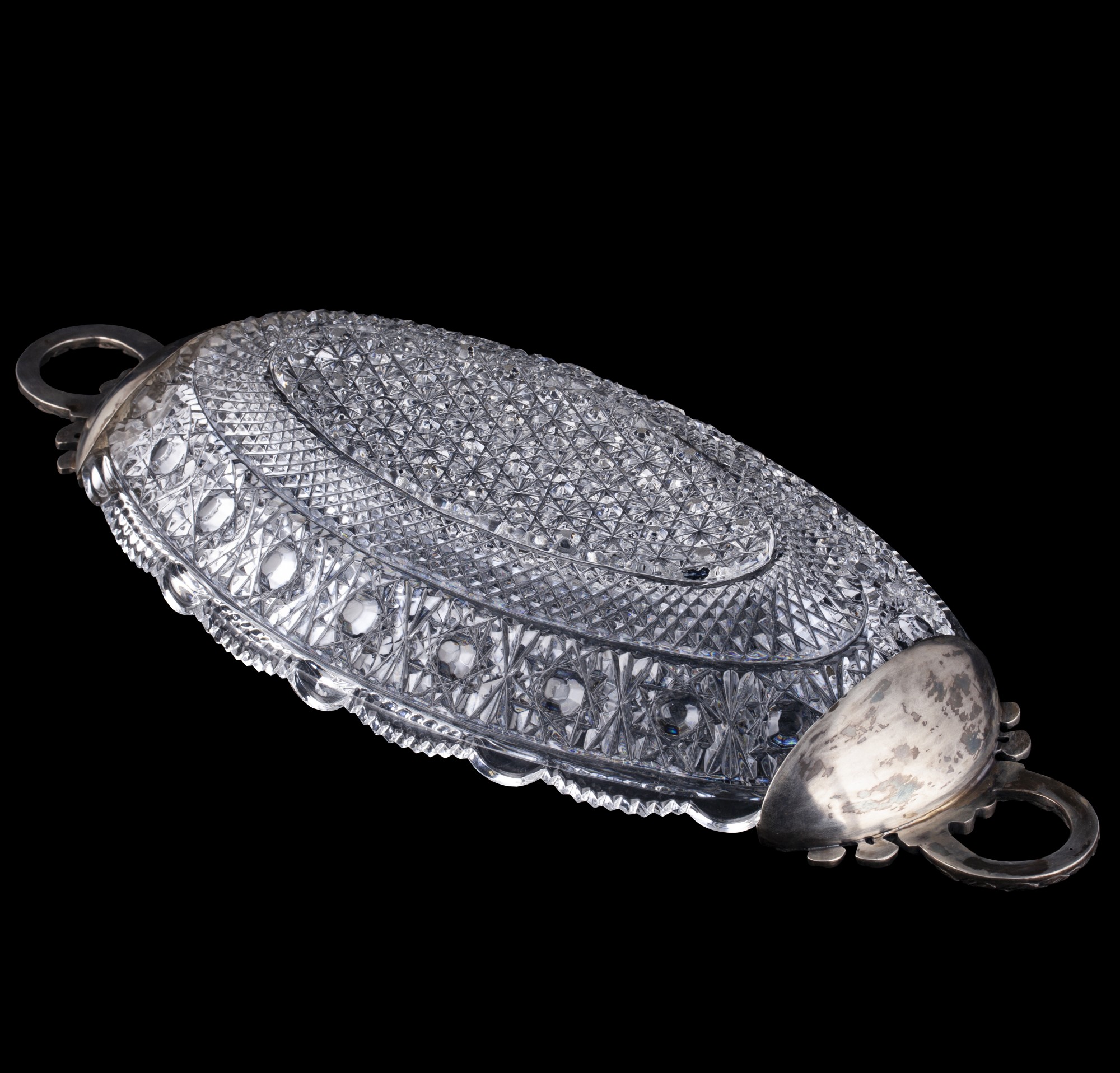
Fabergé silver-mounted cut-crystal fruit bowl.
Estimate: 7000-9000€
Lot 0053
Fabergé silver-mounted cut-crystal fruit bowl.
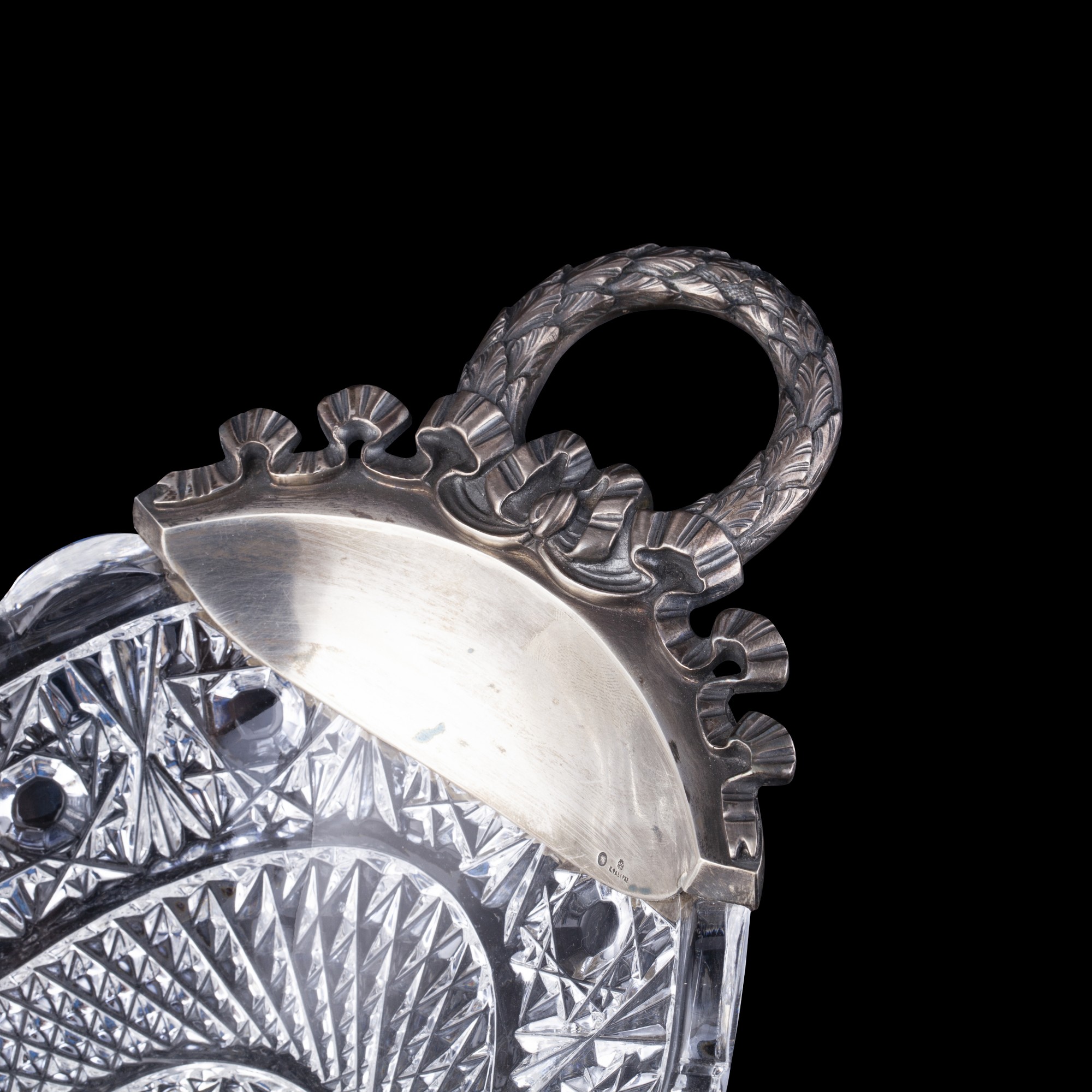
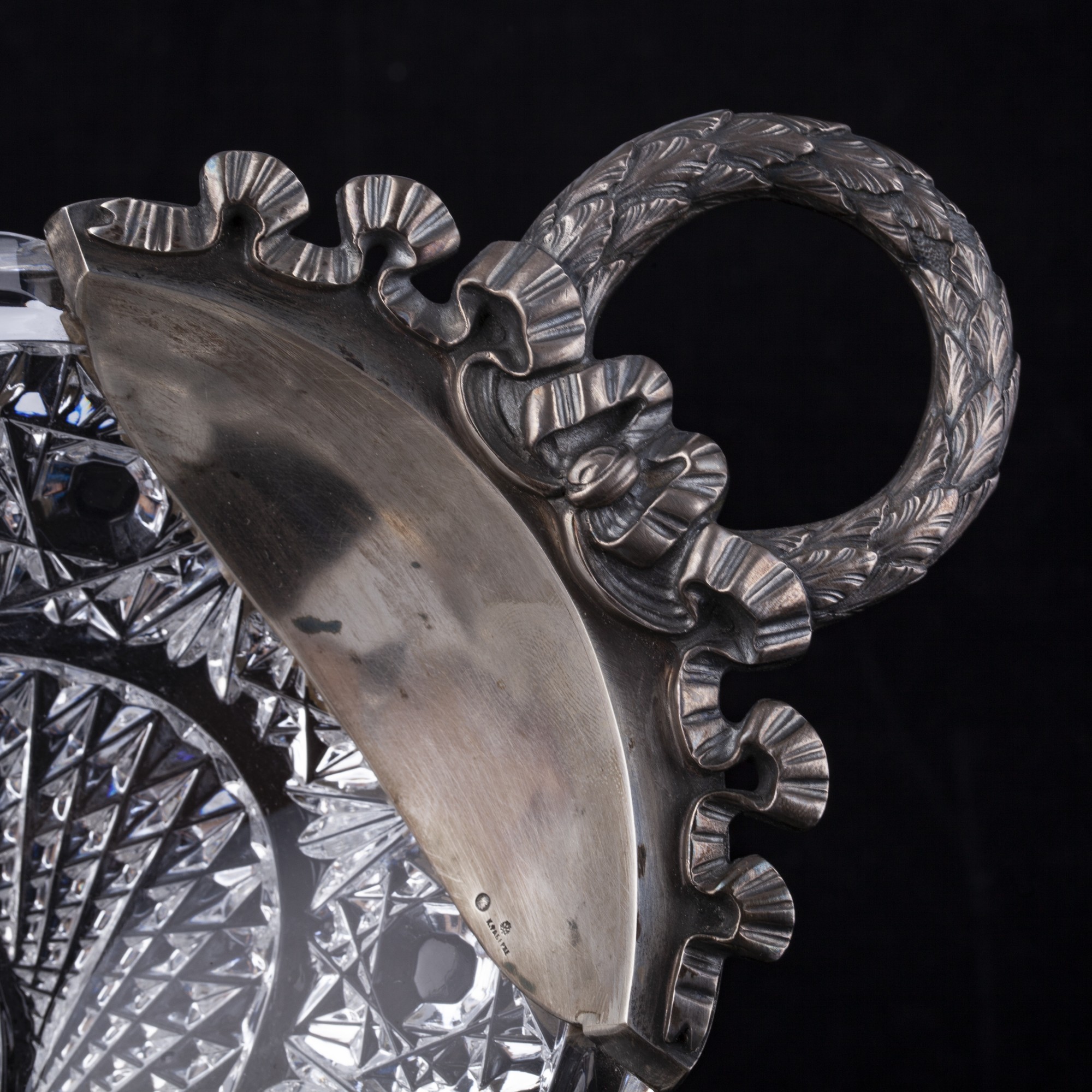
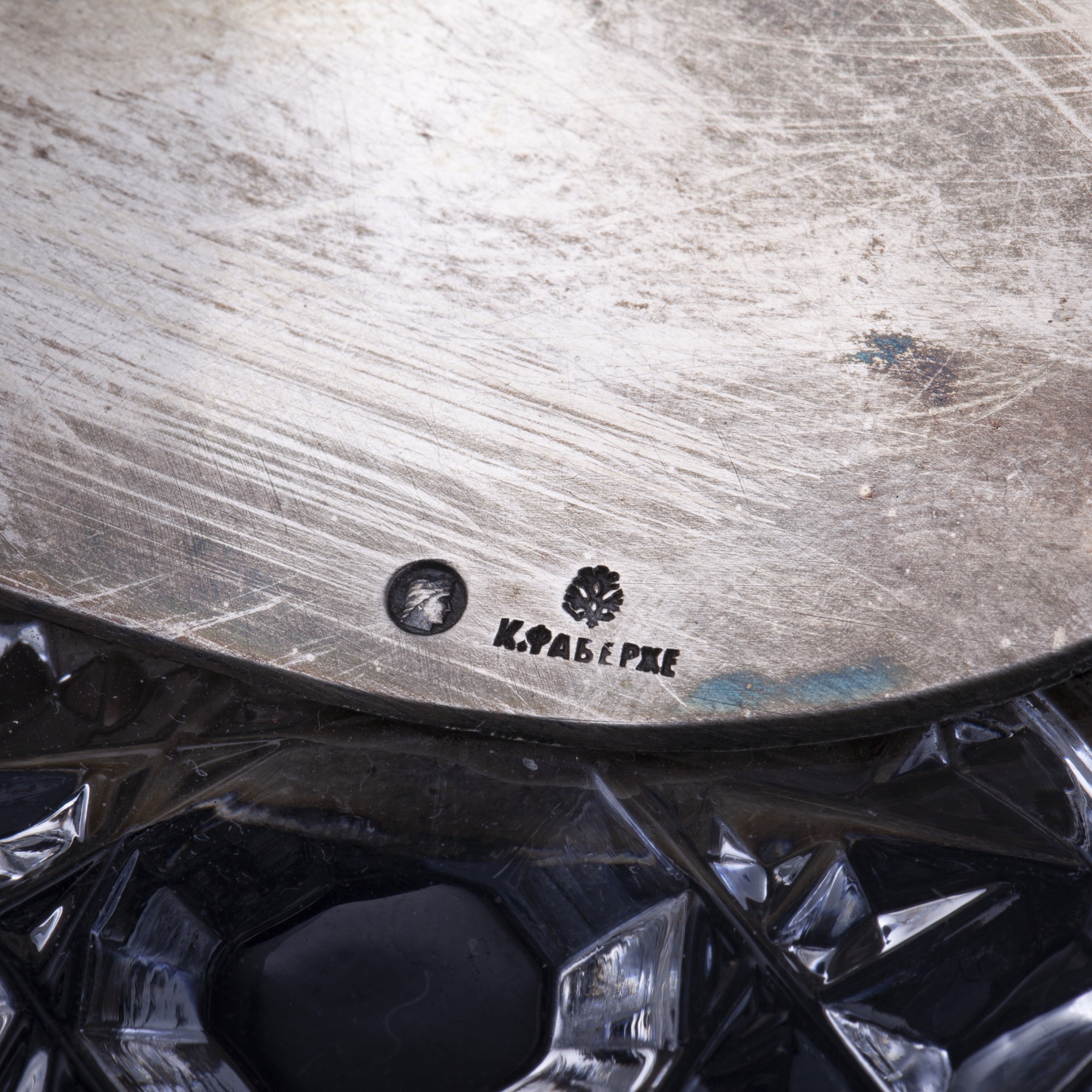
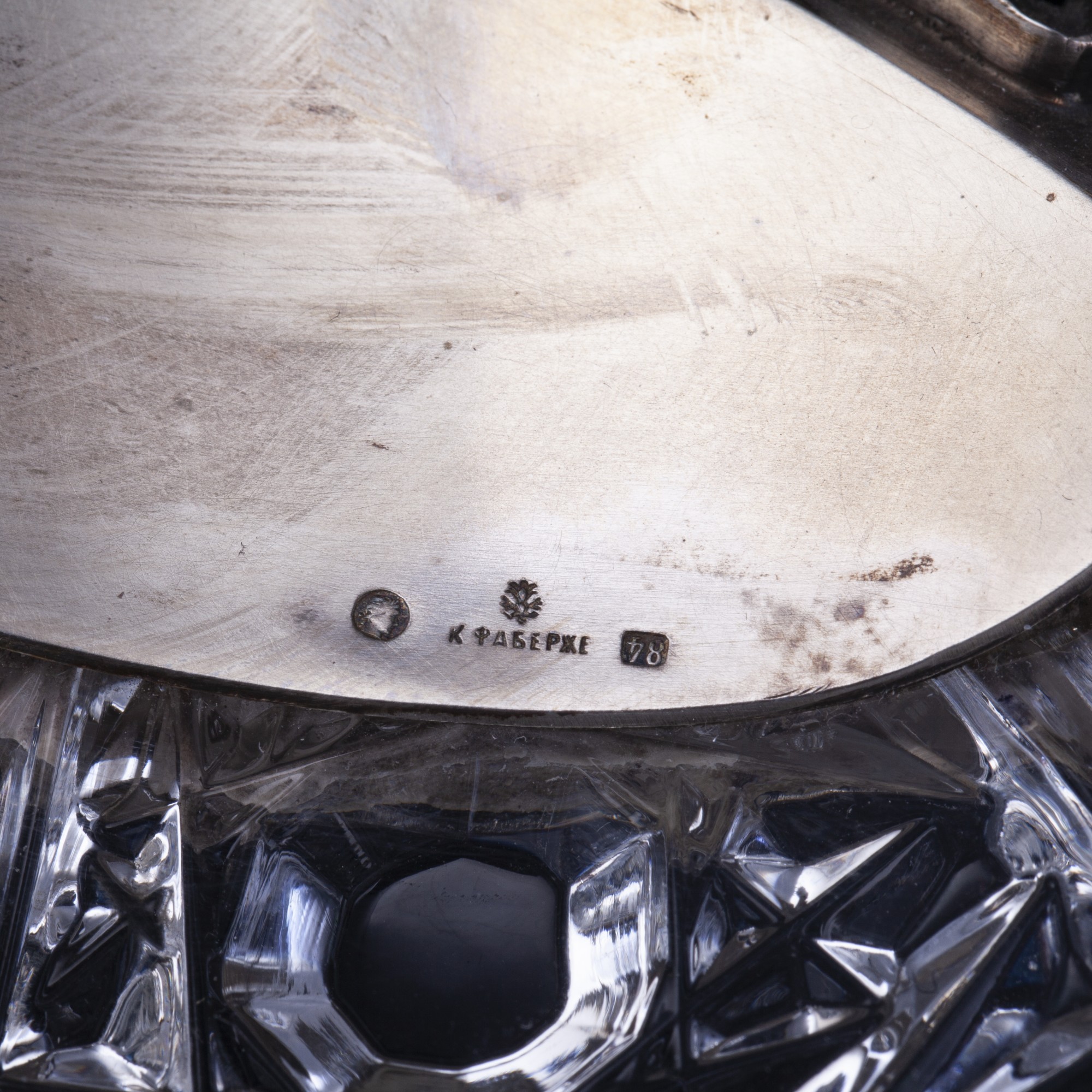
Estimate: 7000-9000€Fabergé silver-mounted cut-crystal fruit bowl.
Russia, Moscow, firm of Fabergé, 1908-1917.
Cut crystal, silver; cutting, polishing, casting, chasing, engraving, mounting.
Size: 46 x 19.8 x 6.5 cm.
Marks: on the silver mount, Cyrillic mark “К. ФАБЕРЖЕ” beneath the Imperial warrant; Moscow assay mark.
An elongated oval fruit bowl or table centrepiece with a deep cut-crystal body and silver terminal mounts. The crystal vessel is richly cut with radiating star motifs, diamond diaper ornament, faceted reserves and a scalloped rim, creating a brilliant play of light characteristic of late Imperial table glass. The ends are fitted with silver mounts of architectural form: shell-shaped caps, openwork cresting with stylised palmettes, and loop handles chased with laurel foliage.
The Moscow branch of Fabergé was especially active in the production of silver table objects, often combining refined craftsmanship with practical forms intended for the interiors of the educated urban elite, prosperous merchants and aristocratic households.
The design of the silver mounts reflects the restrained historicism typical of Fabergé’s Moscow production: neoclassical laurel ornament, shell motifs and crisp chased borders are balanced by the brilliance of the deeply cut crystal. Unlike the more jewellery-like idiom associated with St Petersburg, the Moscow branch often cultivated a broader decorative language, particularly suited to dining rooms, buffets and formal table settings.Starting price: 6000€
Estimate: 7000-9000€
Hammer Price: Not sold -
Lot 0052
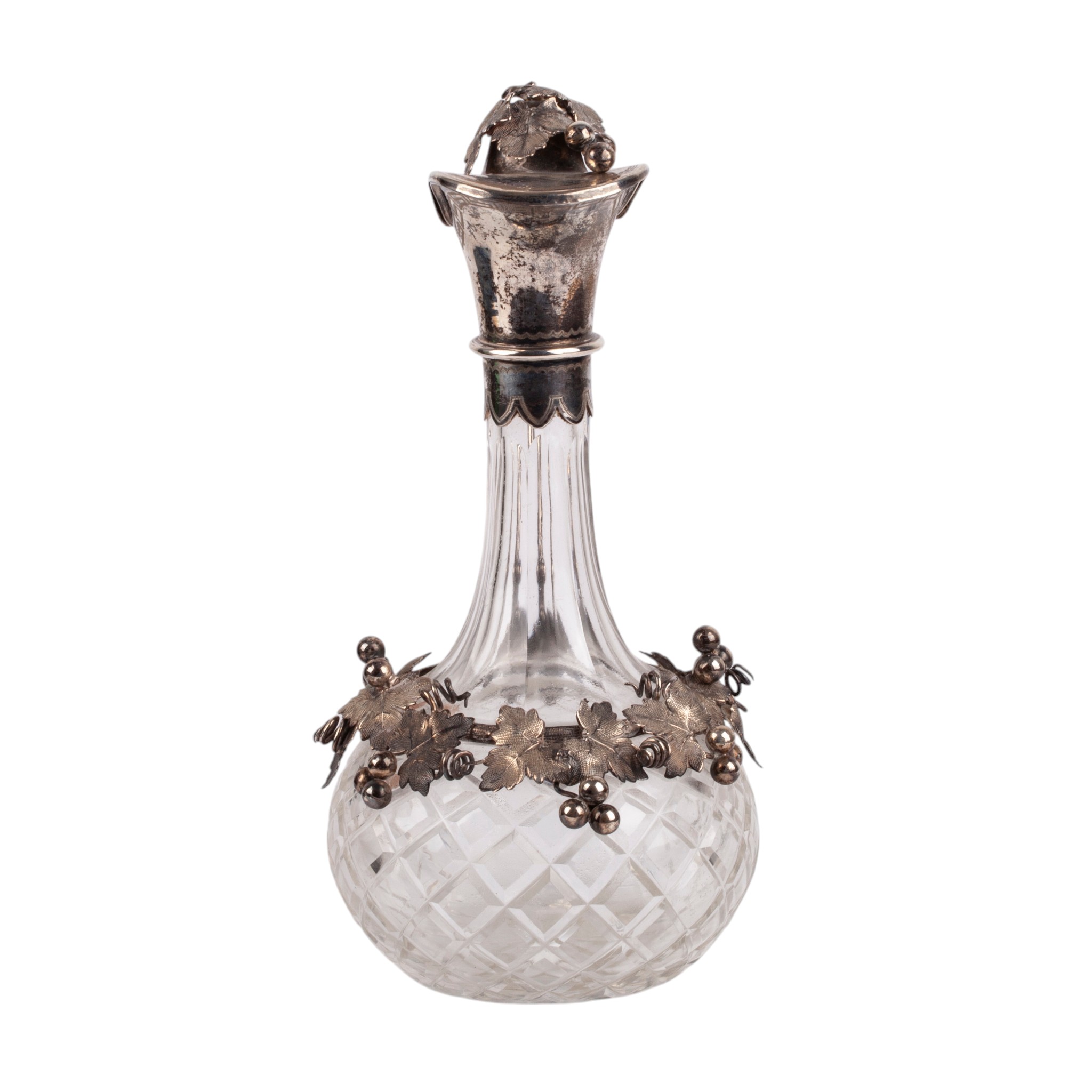
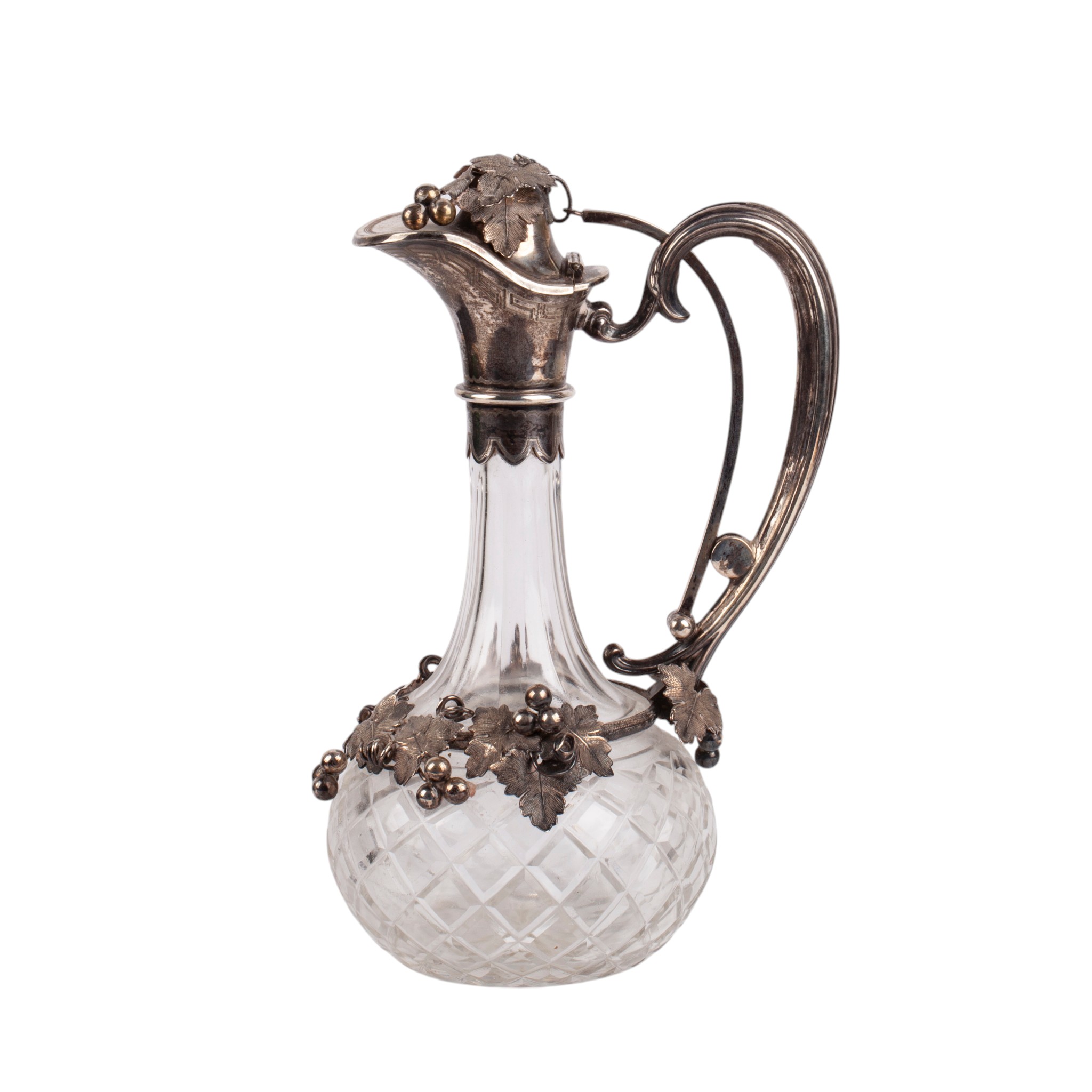
19th Century European Cut Crystal Claret Jug with Silver Mounts
Estimate: 800-1000€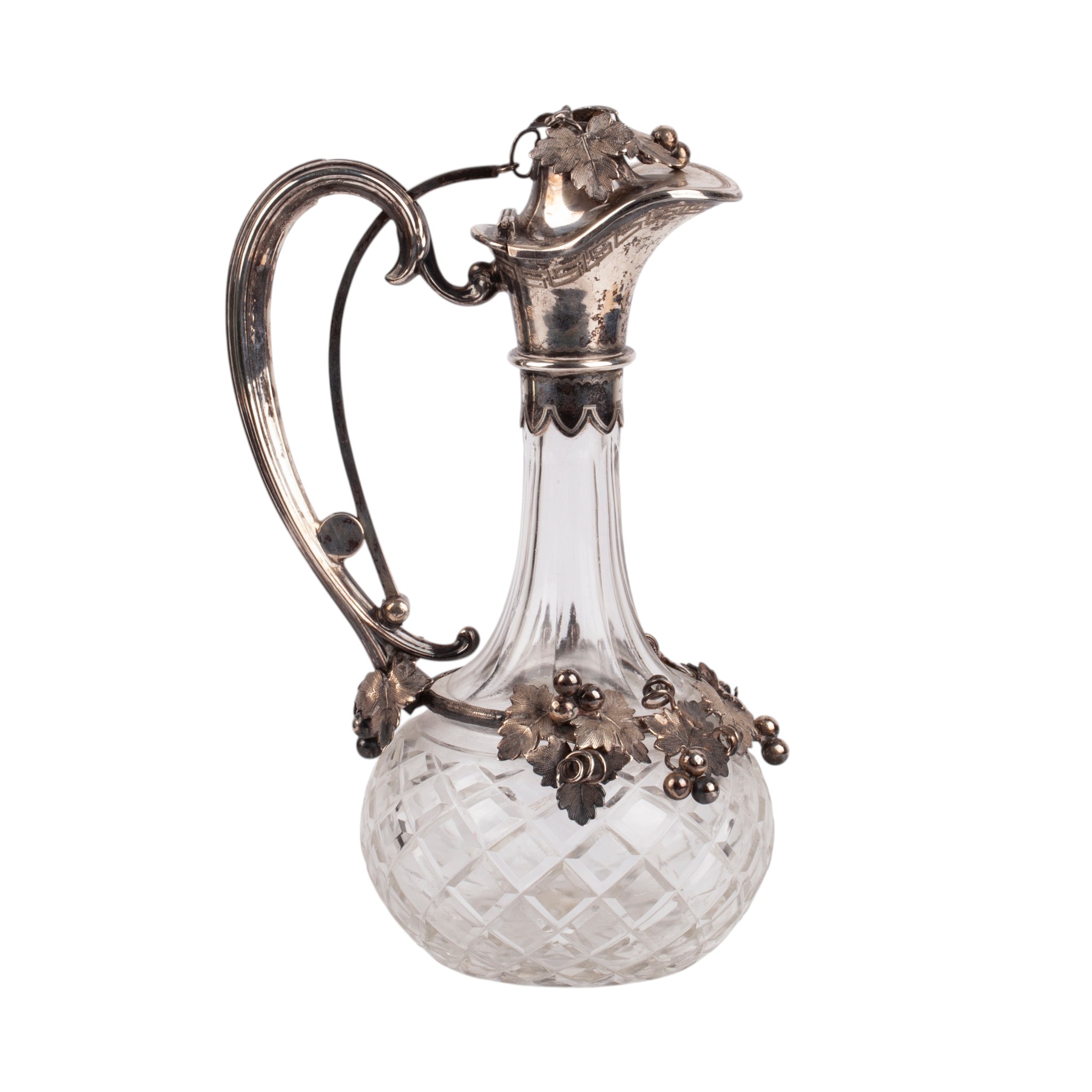
Lot 0052
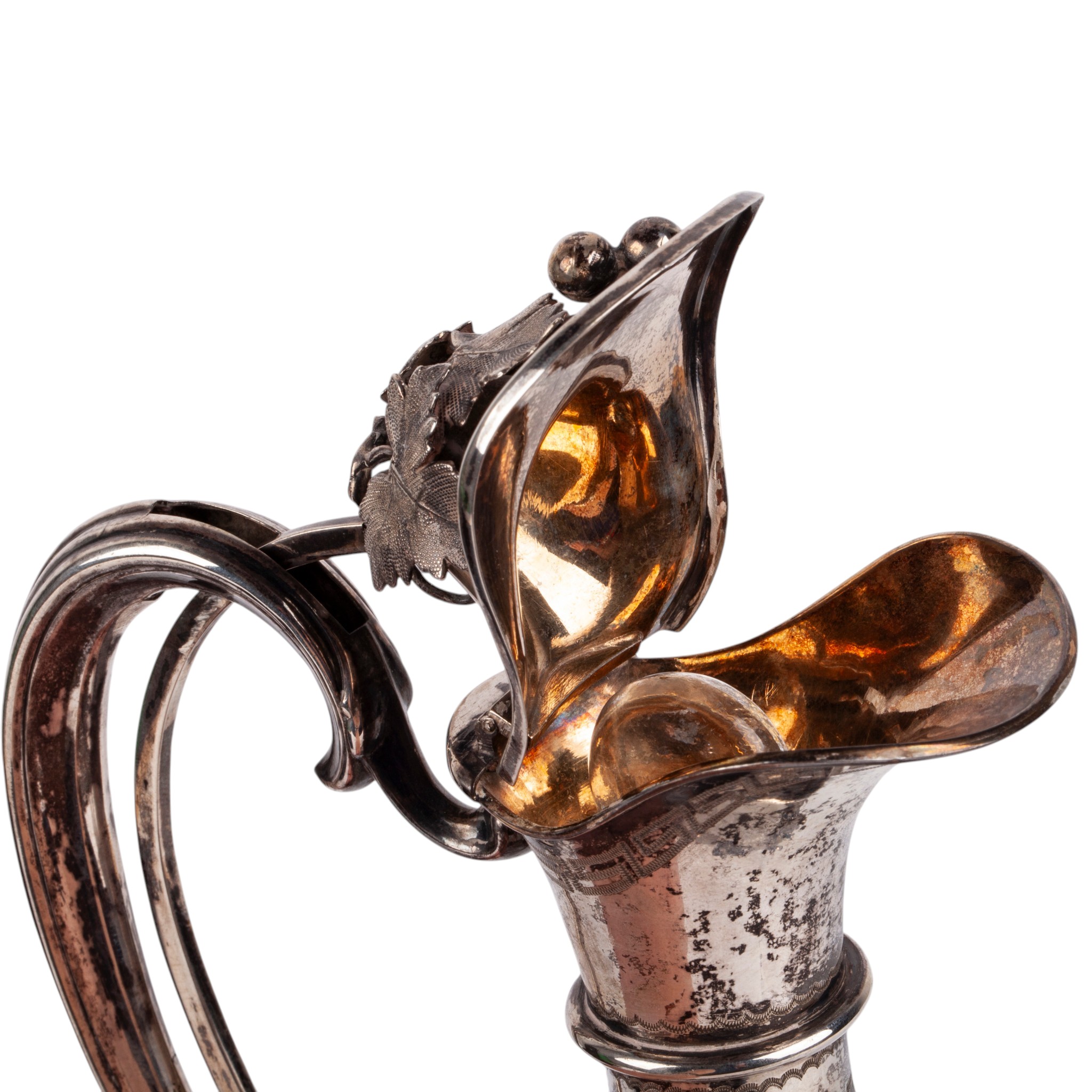
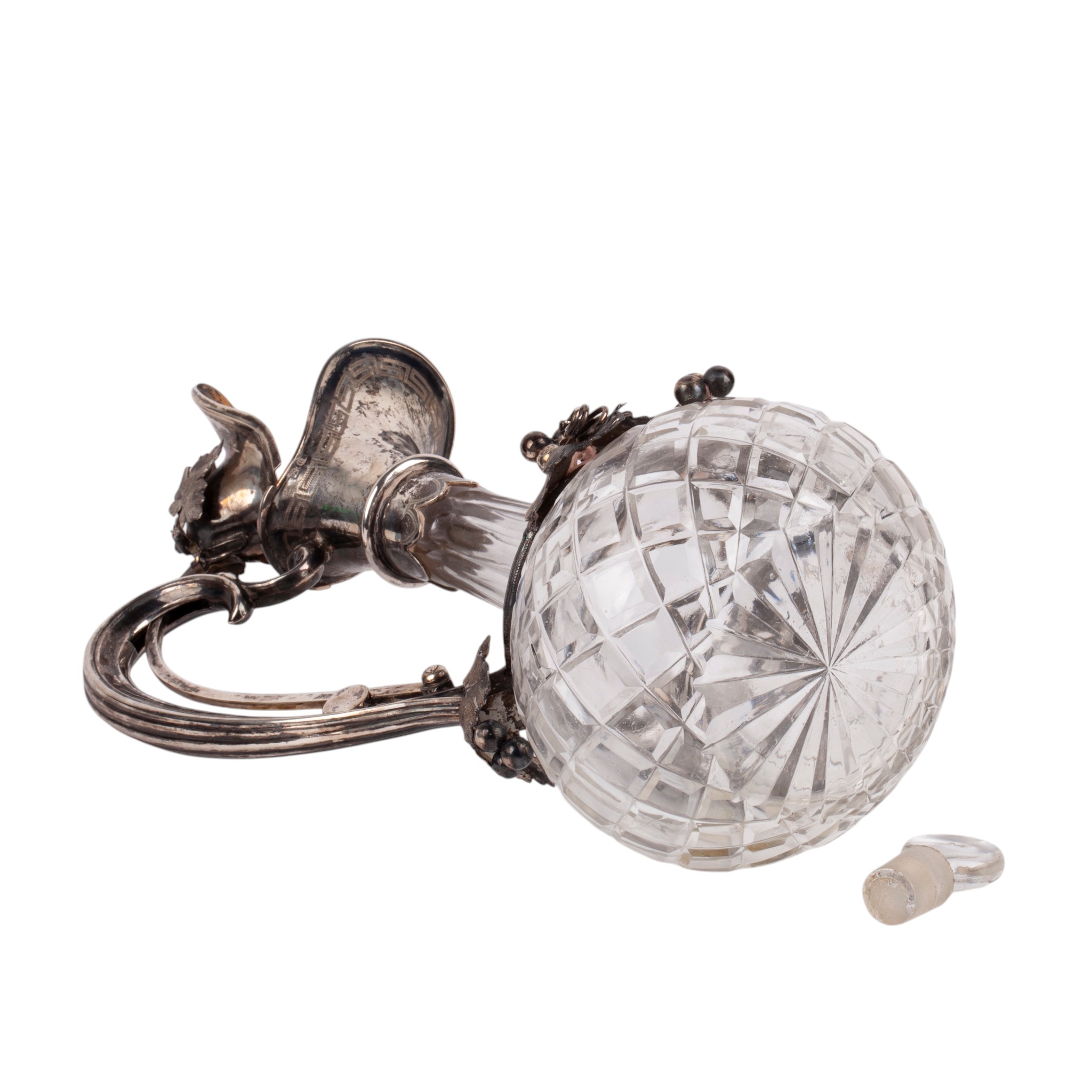
19th Century European Cut Crystal Claret Jug with Silver Mounts
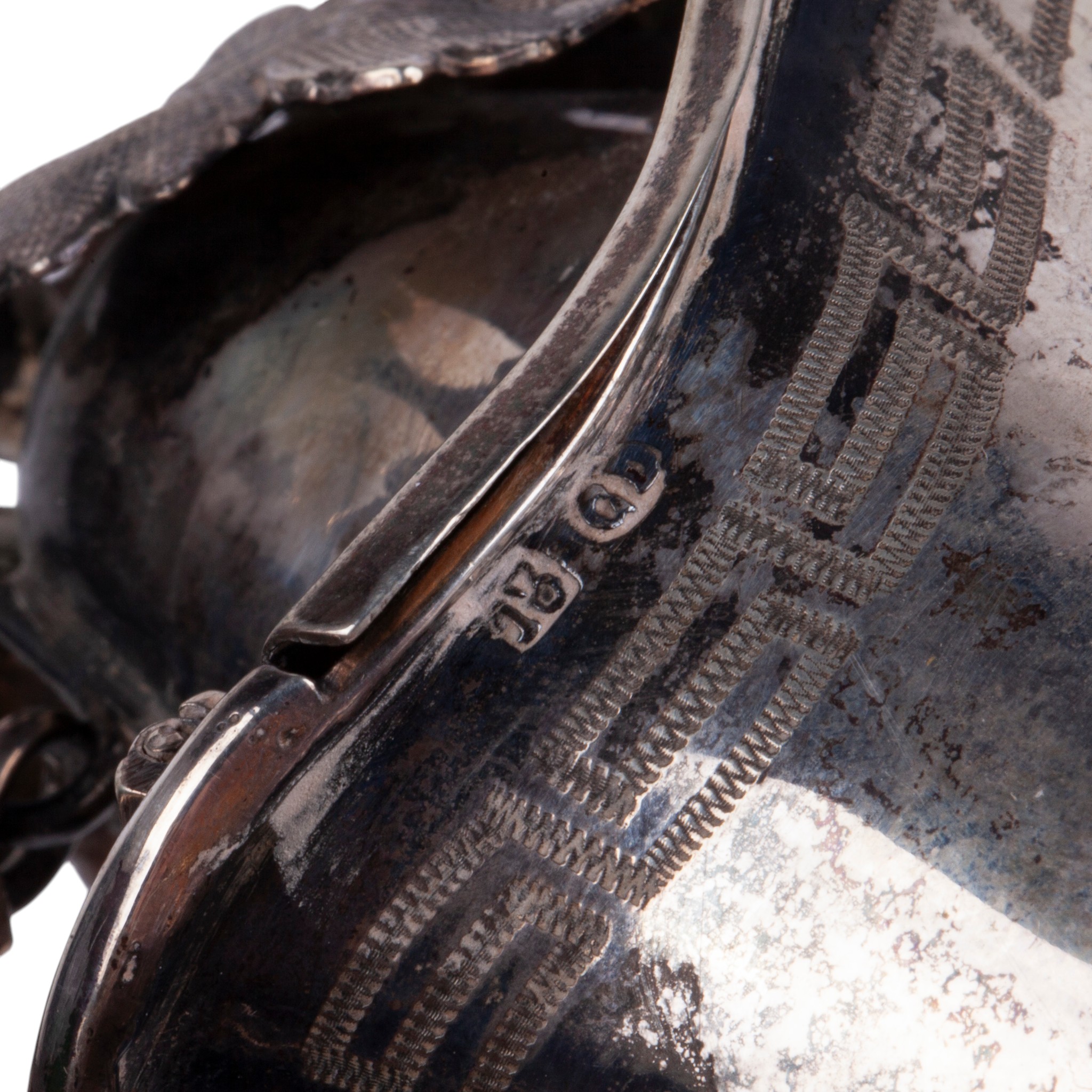
Estimate: 800-1000€A 19th century European cut crystal claret jug with silver mounts, the elegant form enriched with naturalistic vine leaf and grape decoration, hinged cover and sweeping handle. Marked 13 and maker’s mark GD.
Height: 22.5 cm
Starting price: 600€
Estimate: 800-1000€
Hammer Price: Not sold